
Introduction
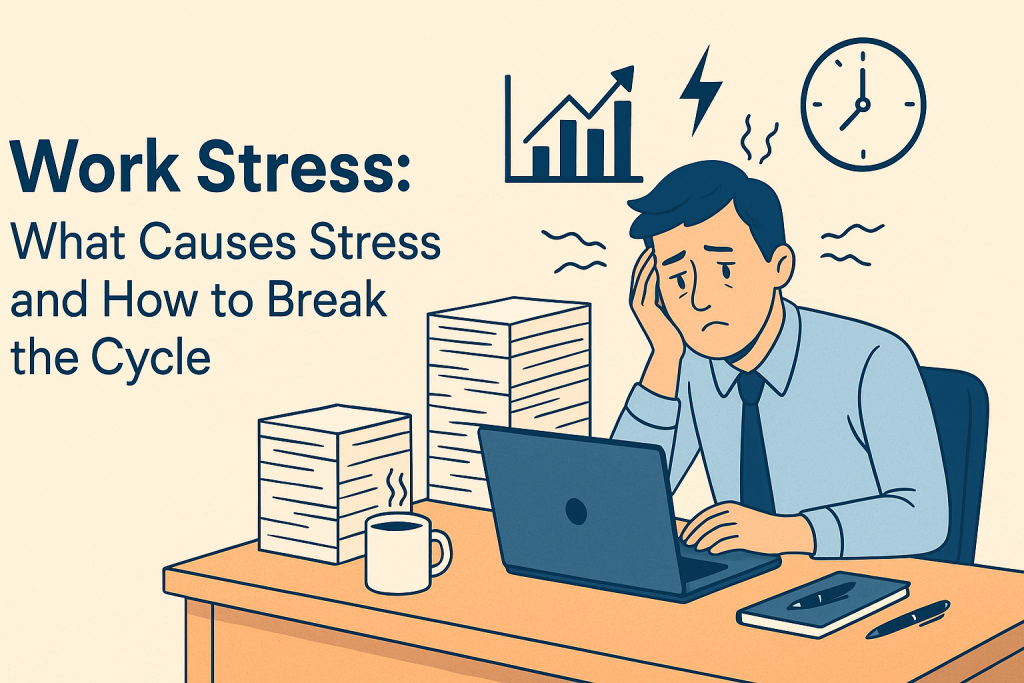
Do you wake up thinking about work and fall asleep worrying about deadlines, money, and performance? Do you feel pressure to earn more but fear that you might burn out if you keep pushing? This is a common sign of work stress. When work stress becomes your daily normal, it slowly affects your focus, mood, and health.
Work stress is not just about being busy. It is about feeling trapped in a cycle where you must keep doing more to feel safe and valued. Many people struggle with work stress silently, not realising how deeply it impacts their energy and wellbeing.
This guide explains what causes stress, how to cope with stress at work, and simple work stress management habits that help you regain control without losing motivation.
What Is Work Stress and Why It Feels So Intense Today

The Real Meaning of Work Stress in Modern Working Life
Work stress happens when job demands feel greater than your ability to manage them. This type of stress can come from long hours, tight deadlines, unclear expectations, and pressure to always perform.
In modern life, work stress follows people everywhere. Emails, messages, and calls extend into personal time. This lack of separation increases work stress and makes it hard to truly rest.
What Causes Stress When You Feel Forced to Earn More
Understanding what causes stress begins with looking at fear and financial pressure. Rising expenses, family responsibilities, and the need to stay competitive force many people to keep pushing harder.
You may start thinking:
I cannot rest.
I must keep earning.
My value depends on income.
These beliefs are powerful drivers of work stress and emotional exhaustion.
The Silent Struggle Between Ambition and Fear of Burnout
Ambition keeps you moving forward, but constant pressure creates a silent battle. You want success, yet your body signals fatigue. This internal conflict feeds work stress and increases risk of burnout.
Common Signs That Work Stress Is Taking Control

Physical Symptoms That You Might Be Ignoring
Work stress often shows up physically. You may notice tiredness, headaches, poor sleep, muscle tightness, or digestive discomfort. These symptoms are common responses to long-term work stress.
Emotional and Mental Warning Signs
You may feel anxious, irritated, or mentally drained. Motivation drops. Focus becomes weaker. These emotional changes are strong indicators of rising work stress levels.
How Work Stress Spills Into Personal Life
Unmanaged work stress affects relationships and mood. You may feel distant, easily triggered, or too exhausted to enjoy time with loved ones. Over time, both your job and home life suffer.
Why Work Stress Is So Hard to Escape
Hustle Culture and the Pressure to Always Do More
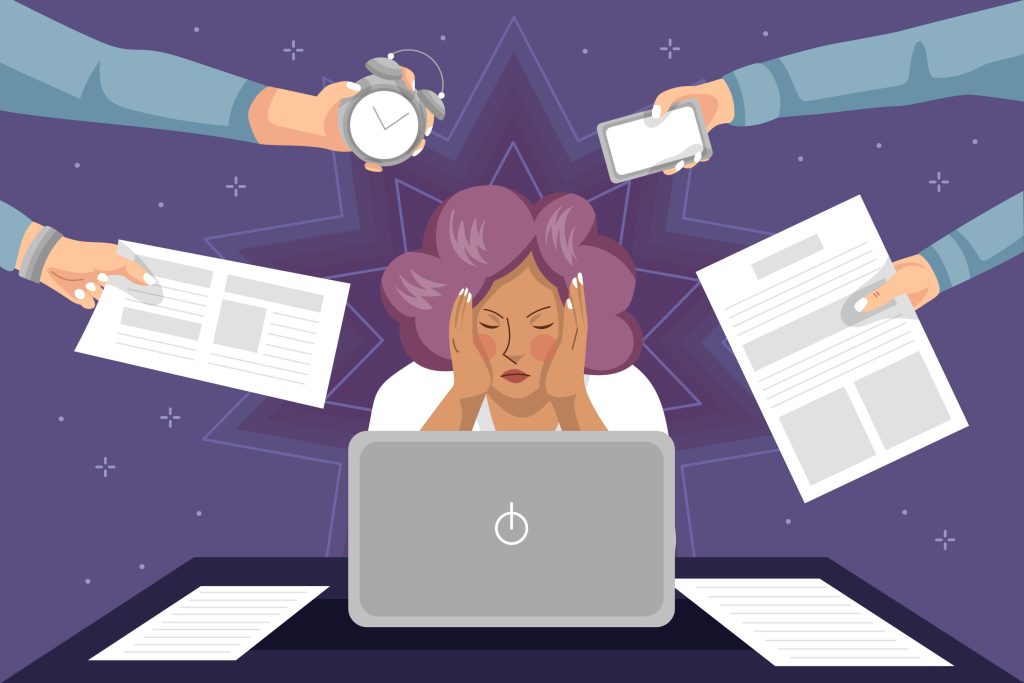
Many workplaces reward overwork. Being busy is praised. Rest feels like failure. This environment normalises unhealthy work stress and makes slowing down feel wrong.
Fear of Slowing Down or Losing Income
Fear of income loss or judgment keeps people trapped. This fear deepens work stress and reinforces unhealthy productivity habits.
The Vicious Loop of Overwork and Exhaustion
Work stress creates a cycle. You push harder. You become more tired. Tiredness lowers performance. Lower performance increases anxiety. Anxiety leads to more work stress.
How to Cope With Stress at Work Without Giving Up Your Ambition

How To Cope With Stress at Work Using Practical Daily Tools
Learning how to cope with stress at work starts with structure. Choose three key tasks per day. Break large tasks into smaller steps. This method reduces work stress while increasing clarity.
Planning in advance is one of the best ways to cope with stress at work and avoid overload.
Small Habits That Reduce Pressure Without Killing Productivity
Micro breaks reduce the build-up of work stress. Stand up, stretch, breathe deeply, or step away from your screen. These small habits support steady focus and lower tension.
Shifting From Survival Mode to Sustainable Performance
Sustainable performance means working with intention instead of fear. This shift changes your response to stress and improves long-term results.
Work Stress Management Strategies That Actually Work

Work Stress Management Through Better Planning and Structure
Work stress management improves when tasks are organised. Time blocking and realistic scheduling help reduce chaos and prevent mental overload.
Effective work stress management focuses on clarity instead of constant multitasking.
Setting Boundaries Without Feeling Lazy or Uncommitted
Healthy boundaries lower work stress. This includes limiting after-hours communication and creating protected rest time. Boundaries create stronger productivity and clearer focus.
Rebuilding Energy Without Sacrificing Career Growth
Rest restores mental strength. Good sleep, movement, hydration, and breaks improve performance while lowering work stress naturally.
Redefining Success to Break the Work Stress Cycle

Earning More Without Destroying Your Health
Success does not require exhaustion. Better systems, smarter planning, and focused execution allow income growth without increased work stress.
Long-Term Success Through Sustainable Focus
True success balances productivity and wellbeing. When you improve work stress management, your progress becomes steady and sustainable.
Break the Cycle of Work Stress, Not Your Energy
Work stress increases when fear and pressure drive your actions. When you understand what causes stress and learn how to cope with stress at work using practical work stress management strategies, you gain control over your time, energy, and wellbeing.
You do not need to sacrifice health for success. With healthy boundaries and smarter habits, you can reduce work stress and achieve sustainable growth.
If you want a simple action plan to manage work stress and regain balance, get the practical 7-Day Energy Reset today.
✅ Take Action Now
Work Stress Is Overwhelming, But It’s Not Permanent
Work stress can drain your energy, affect your mood, and make daily life feel heavier than it should. But once you understand what is triggering your stress and how to break the cycle, you can start creating real balance again.
Small steps like improving your daily habits, setting healthier boundaries, or using quick calming techniques during busy moments can make a huge difference. And if your stress keeps building up, do not ignore it. There may be deeper causes like burnout, emotional exhaustion, or constant mental overload.
This is your chance to book your FREE 30-Minute Zoom Clarity Session with me.
Get personal guidance, clarity, and the support you need to finally take back control.
Say Goodbye to Work Stress
Still struggling with constant work stress and feeling drained no matter how much you try to rest? You do not have to figure it out alone.
👉 Join our 7-Day Energy Booster Program and learn simple daily habits, stress relief techniques, and mindset tools to help you break the cycle of overwhelm.
In just one week, you will:
• Learn the real causes of work stress and burnout
• Try natural stress relief methods that are easy to follow
• Identify hidden triggers like poor boundaries, emotional overload, or lack of recovery time
• Build a daily routine that supports your energy, focus, and mental clarity
Start today. Your calmer and more balanced days are just 7 days away.
Frequently Asked Question
1) What causes stress at work even when I care about my job?
Work stress often comes from high expectations, workload pressure, and the belief that income defines personal value. These factors explain what causes stress for many driven professionals.
2) How to cope with stress at work without losing performance?
To cope with stress at work, focus on prioritising tasks, taking regular breaks, and setting clear goals. These habits reduce work stress while maintaining strong performance.
3) What are practical work stress management techniques?
Work stress management techniques include better planning, reducing multitasking, protecting recovery time, and setting communication boundaries.
4) How do I know if my work stress is turning into burnout?
Ongoing exhaustion, low motivation, poor sleep, and emotional numbness are signs that work stress may be progressing toward burnout.
5) Can financial pressure make work stress worse?
Yes. When financial security becomes linked to self-worth, work stress increases and becomes harder to manage.

