
Introduction
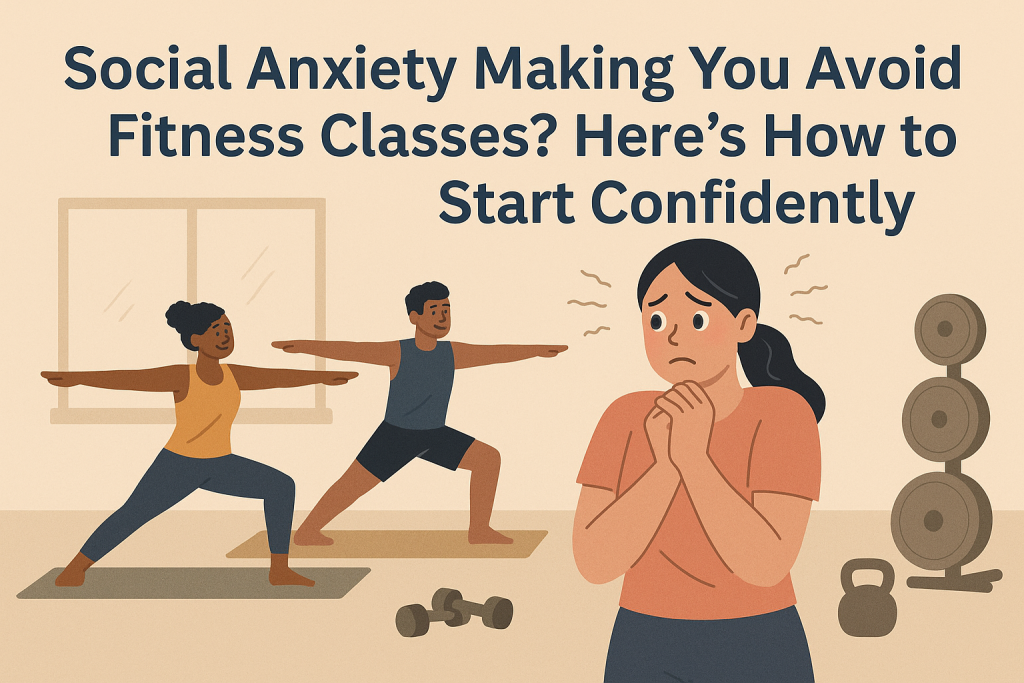
Joining a new fitness class alone can feel overwhelming when you struggle with social anxiety. Many people experience racing thoughts, nervous feelings, or fear of being judged when they walk into a room full of strangers. This type of fear is common, and understanding the social anxiety meaning can help you take the first step toward feeling more confident.
Social anxiety becomes stronger in fitness settings because you are surrounded by people and performing movements in front of them. But with simple strategies and a bit of preparation, you can manage your social anxiety and show up with more confidence. This guide will help you understand what causes social anxiety in group workouts, recognize your social anxiety symptoms, and prepare for a better fitness experience.
What Is Social Anxiety and Why It Shows Up in Fitness Classes

Social anxiety is a fear of being judged or watched by others. The social anxiety meaning includes feeling nervous, self conscious, or overwhelmed in social situations. In fitness classes, this fear often increases because you are trying new movements while surrounded by people you do not know.
When you walk into a workout room, your mind may start worrying about making mistakes, falling behind, or looking out of place. These thoughts trigger social anxiety and make your body feel tense even before the class begins.
Understanding the Difference Between Social Anxiety and Social Anxiety Disorder

Feeling nervous is normal. But when that fear becomes intense and starts affecting your daily life, it may be social anxiety disorder. Social anxiety disorder causes strong avoidance, constant fear of judgment, and difficulty doing the things you want to do.
You do not need a diagnosis to benefit from this article. But knowing the difference helps you understand why your fears may feel bigger than other peoples.
Why Social Anxiety Makes Joining New Fitness Groups Feel So Hard

Social anxiety can make simple situations feel overwhelming. When you join a new fitness class, you may worry about being judged, doing the moves wrong, or not fitting in. These fears activate your body’s stress response, which makes it harder to relax and enjoy the workout.
Common thoughts include:
- What if everyone looks at me
- What if I cannot keep up
- What if I look awkward
- What if I do not belong here
Your mind focuses on the worst case scenario, which makes your social anxiety symptoms stronger.
How Social Anxiety Symptoms Affect Your Workout Experience

Social anxiety affects both the mind and body. You may notice:
- Fast breathing
- Tight muscles
- Shaky hands
- Sweating
- Feeling dizzy
- Racing heart
- A strong urge to leave
These social anxiety symptoms can make group workouts feel too difficult, even when the exercises are not physically hard.
How to Prepare Yourself Before Entering a New Fitness Group

Preparation is a powerful way to reduce social anxiety. These steps help your mind and body feel more comfortable.
Take a Social Anxiety Test to Understand Your Triggers
A social anxiety test helps you learn what situations make your anxiety stronger. For example, maybe you fear being watched, not knowing the routine, or being the new person in the room. Taking a social anxiety test gives you clarity so you know exactly what to prepare for.
This is not a medical diagnosis. It is simply a tool for self understanding.
Mental Prep: Scripts and Mindset Shifts That Help Immediately
Your self talk can reduce social anxiety before class starts. Try saying:
“Everyone here is focused on their own workout.”
“It is okay to be new.”
“I do not need to be perfect.”
“Showing up is already a win.”
You can also calm your body with simple breathing techniques. Inhale for 4 seconds, hold for 2 seconds, and exhale for 6 seconds. This reduces social anxiety symptoms and helps you stay grounded.
Physical Prep: Create a Comfort Zone Before the Class Starts
Small actions can make a big difference.
- Arrive early to avoid walking into a full room
- Pick a spot near the back or side
- Test the equipment
- Warm up quietly
- Choose clothes that make you feel comfortable
These steps help your body relax and reduce social anxiety.
What To Do During Class When Social Anxiety Hits
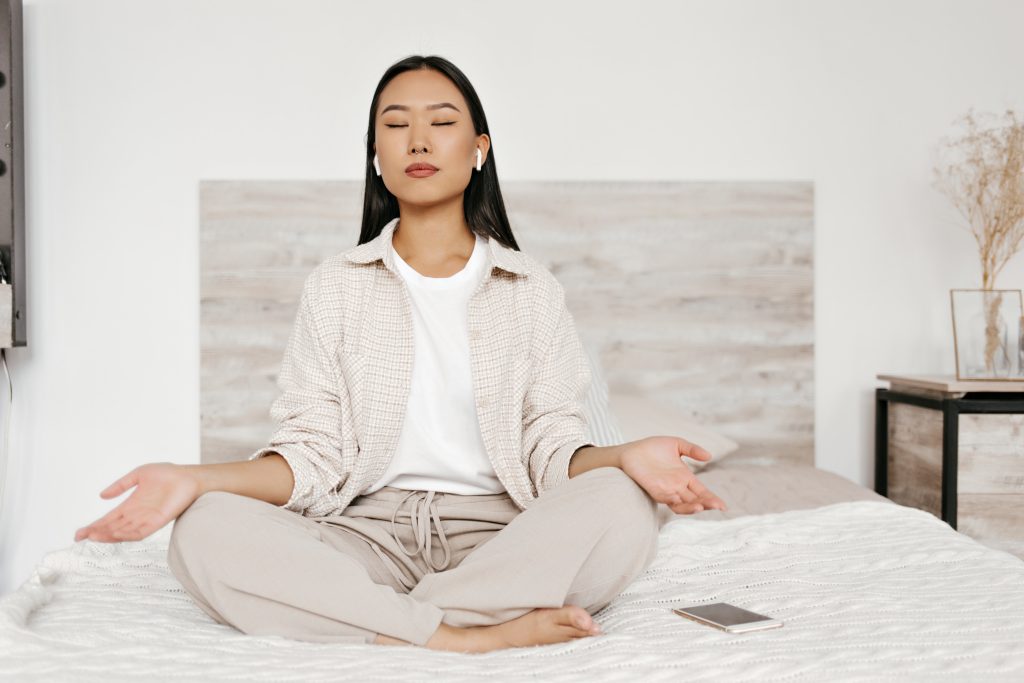
Even with preparation, social anxiety may show up. That is okay. You can manage it in the moment.
Use Micro Social Moments to Ease Into the Group
Tiny interactions help your brain feel safer. Try giving a small smile, a quick nod, or a simple hello. You do not need a deep conversation. These small moments remind your mind that you are welcome here.
Focus on Movement Not on Who Is Looking at You
Most people in class are focused on their own form, not yours. Shift your attention to:
- Your breath
- The music
- Your movement
- The instructor’s voice
Redirecting your focus helps reduce social anxiety symptoms during class.
Give Yourself Permission to Pause
If your social anxiety spikes, take a break. Drink water. Breathe. Step aside for a moment. Breaks help reset your nervous system and prevent overwhelm. They do not mean you failed.
Long Term Confidence Strategies for Managing Social Anxiety in Fitness Settings
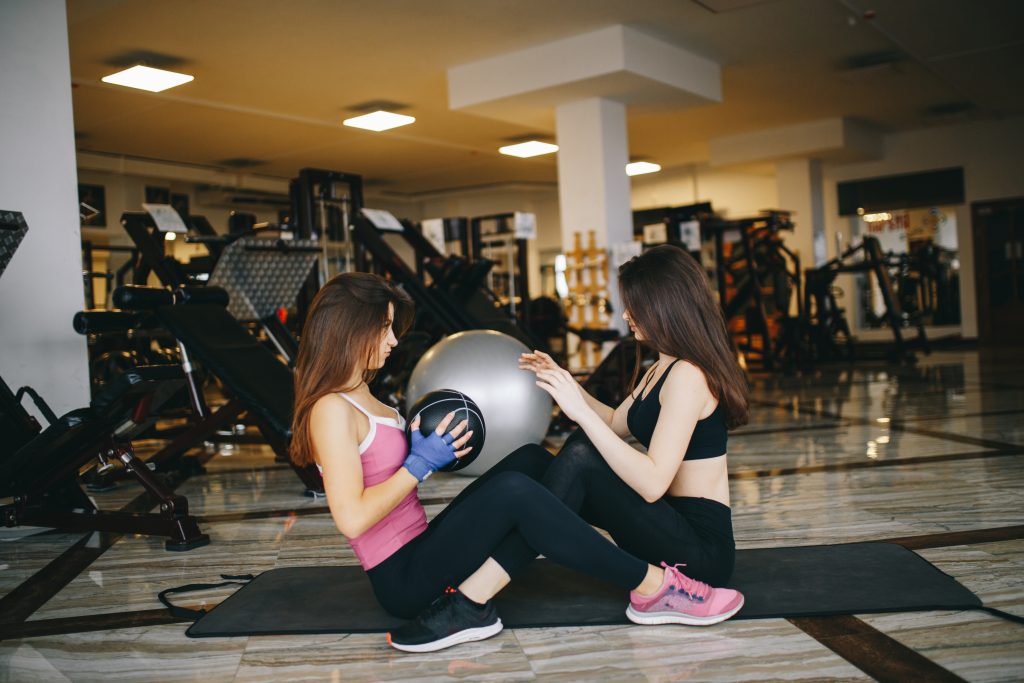
Confidence grows over time. The more you practice facing social anxiety, the easier it becomes.
Start With Beginner Friendly Classes
Beginner classes move at a slower pace and attract people who are also learning. This lowers pressure and reduces social anxiety symptoms.
Build Consistency With One Instructor or Class Type
When you return to the same class, you become more familiar with the space, people, and routines. Familiarity reduces social anxiety because your brain knows what to expect.
Create One Connection to Reduce the Feeling of Isolation
You do not need a whole friend group. One friendly face is enough to make a new environment feel welcoming. This could be the instructor or someone who shows up often.
Start Confident, Not Anxious
Social anxiety can make fitness classes feel intimidating, but it does not have to stop your progress. When you understand your social anxiety symptoms, know your triggers, and use simple strategies to stay calm, you can confidently join new groups. Over time, you will see that showing up gets easier, your social anxiety decreases, and your confidence grows.
Think of fitness classes not as a place to be judged, but as a space to build strength, meet supportive people, and grow your confidence one small win at a time.
And when the fear still feels heavy, our tribe is here to guide you gently, without pressure or overwhelm.
✅ Take Action Now
Overcoming Fitness Anxiety Is Possible
Social anxiety around fitness classes can feel overwhelming, but it doesn’t have to control your progress. By understanding what triggers your fear, addressing the stress behind it, and taking small confidence-building steps, you can finally start showing up without feeling judged or embarrassed.
Simple shifts, like preparing your mindset, choosing the right beginner-friendly environment, or practicing calming techniques before class, can make a huge difference. And if your anxiety feels stuck, don’t ignore it. Getting support can help uncover deeper triggers, like fear of comparison, past negative experiences, or pressure to perform.
This is your chance to book your FREE 30-Minute Zoom Clarity Session with me.
This is your chance to get personal guidance, build confidence, and start your fitness journey with real support.
Say Goodbye to Fitness Anxiety
Still avoiding fitness classes because the thought of being watched, judged, or not “good enough” makes you panic? You don’t have to figure it out alone.
👉 Join our 7-Day Confidence & Fitness Starter Program and discover simple mindset shifts, stress-relief techniques, and daily confidence-building habits to help you walk into any fitness class with ease.
In just one week, you’ll:
• Learn the real causes of fitness-related social anxiety
• Try calming techniques you can use before and during class
• Address hidden triggers like comparison, fear of embarrassment, or past experiences
• Build small habits that boost confidence and motivation
• Start showing up in your fitness journey with clarity and courage
Start today, your confident, empowered fitness journey begins in just 7 days!
Frequently Asked Question
1) What is the meaning of social anxiety
2) The social anxiety meaning is the fear of being judged or embarrassed in social situations.
3) What are common social anxiety symptoms
Common social anxiety symptoms include shaking, sweating, fast breathing, tense muscles, and racing thoughts.
4) What does a social anxiety test do
A social anxiety test helps you understand your triggers so you can prepare for situations that increase your anxiety.
5) What is social anxiety disorder
Social anxiety disorder is a stronger form of social anxiety that affects daily life and causes ongoing avoidance.
6) Can social anxiety get better
Yes. With gradual exposure and supportive environments, social anxiety can improve significantly.

