
Introduction
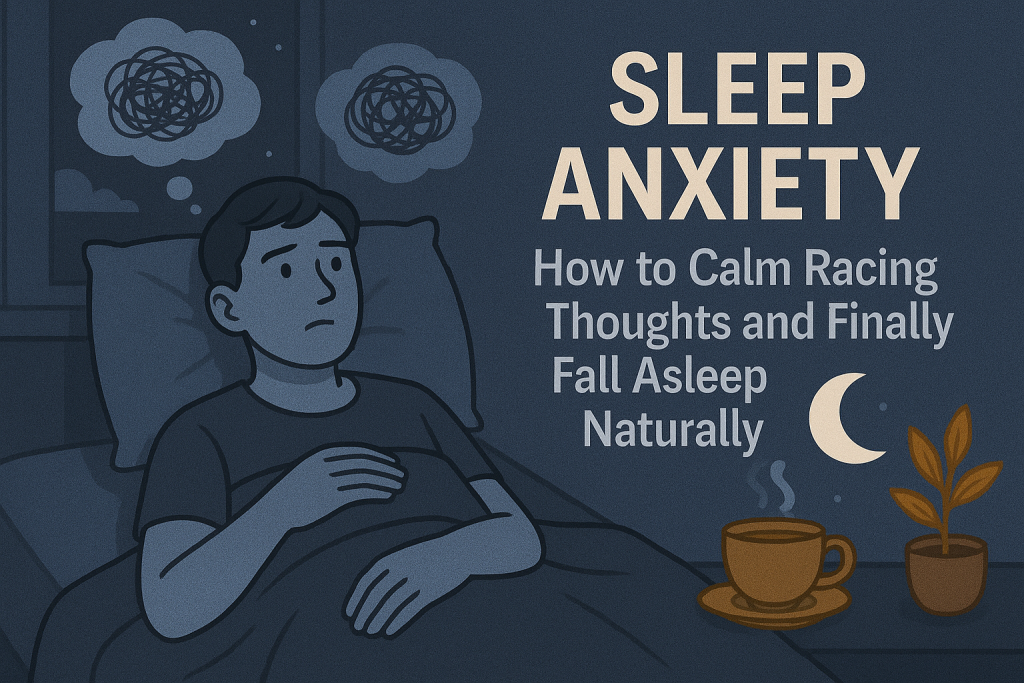
Sleep anxiety can turn bedtime into the most stressful part of your day. You lie down feeling tired, yet your mind becomes more active. Thoughts start looping. Worries grow louder. The harder you try to sleep, the more alert you feel. This is the frustrating cycle of sleep anxiety that leads to trouble sleeping at night.
If you struggle with overthinking at night, you may feel trapped in your own thoughts. You might start searching for the best sleep aid for adults with anxiety over the counter or even look up the top 10 sleeping pills. But before turning to that, it is important to understand what sleep anxiety really is and how it can be calmed naturally.
What Is Sleep Anxiety and Why It Keeps You Awake

Sleep Anxiety Meaning in Simple Terms
Sleep anxiety is the fear or stress you feel about falling asleep or not getting enough rest. Instead of relaxing, your brain stays on high alert. Your body may feel tired, but your thoughts remain active. This creates a cycle where sleep anxiety causes trouble sleeping at night, and trouble sleeping at night increases sleep anxiety.
Sleep anxiety usually makes you focus too much on the act of sleeping. You start worrying about how long it will take or how many hours you will get. This pressure keeps your mind awake.
How Overthinking at Night Triggers Restlessness
Overthinking at night is one of the biggest causes of sleep anxiety. When the room becomes quiet, your brain starts replaying everything from the day. You may think about work, relationships, future plans, or mistakes. These thoughts keep your nervous system alert instead of calm.
This pattern teaches your brain that bedtime is a time to analyze instead of rest, worsening sleep anxiety
Why Trouble Sleeping at Night Gets Worse When You Try Harder
Trying to force sleep creates tension. Tension increases stress. Stress fuels sleep anxiety. You begin to fear bedtime because you expect another restless night. This turns your bed into a place of worry instead of comfort.
Common Signs You Are Experiencing Sleep Anxiety
Racing Thoughts, Rapid Heartbeat, and Nighttime Worry
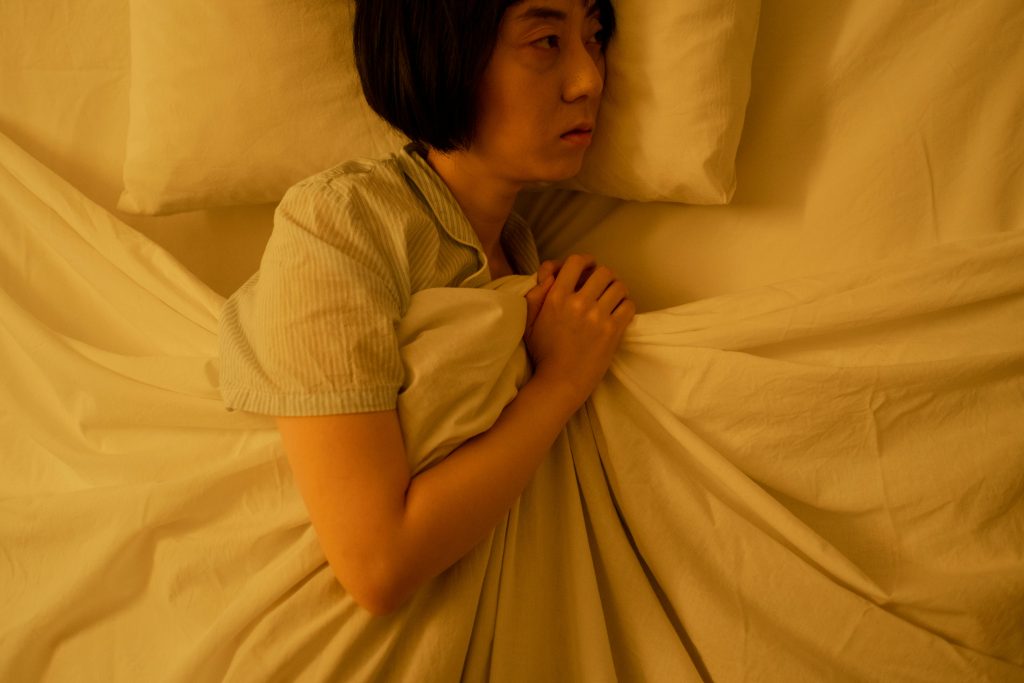
Sleep anxiety affects both mind and body. You may notice your thoughts racing, your chest feeling tight, and your breathing becoming shallow. You might check the clock repeatedly or feel frustrated about not falling asleep quickly.
These signs often appear when sleep anxiety becomes a regular pattern.
The Link Between Sleep Anxiety and Trouble Sleeping at Night
Sleep anxiety creates a loop. You experience trouble sleeping at night, then start worrying about sleep the next evening. That worry makes it even harder to rest. Over time, this pattern becomes automatic.
Why Your Mind Starts Racing at Bedtime
Stress Build-Up During the Day
Many people ignore stress during the day to stay productive. At night, when distractions stop, all that stress surfaces. This stress feeds sleep anxiety and makes overthinking at night stronger.
Phone Use and Blue Light Impact on Sleep
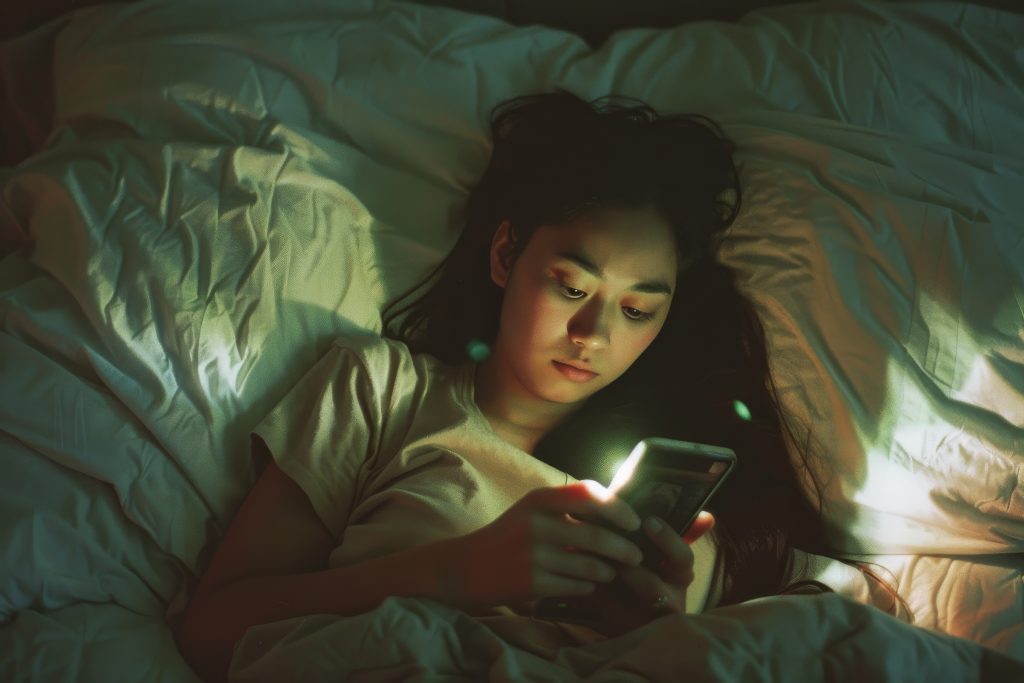
Using phones or laptops before bed stimulates the brain. Blue light from screens tells your body it is still daytime. This delays relaxation and strengthens sleep anxiety.
Fear of Insomnia Creating a Mental Spiral
After several bad nights, your brain begins to expect failure. You start thinking, “What if I cannot sleep again?” This fear keeps your mind active and increases sleep anxiety.
Natural Ways to Calm Sleep Anxiety Before Bed
Breathing Techniques That Slow Down Racing Thoughts
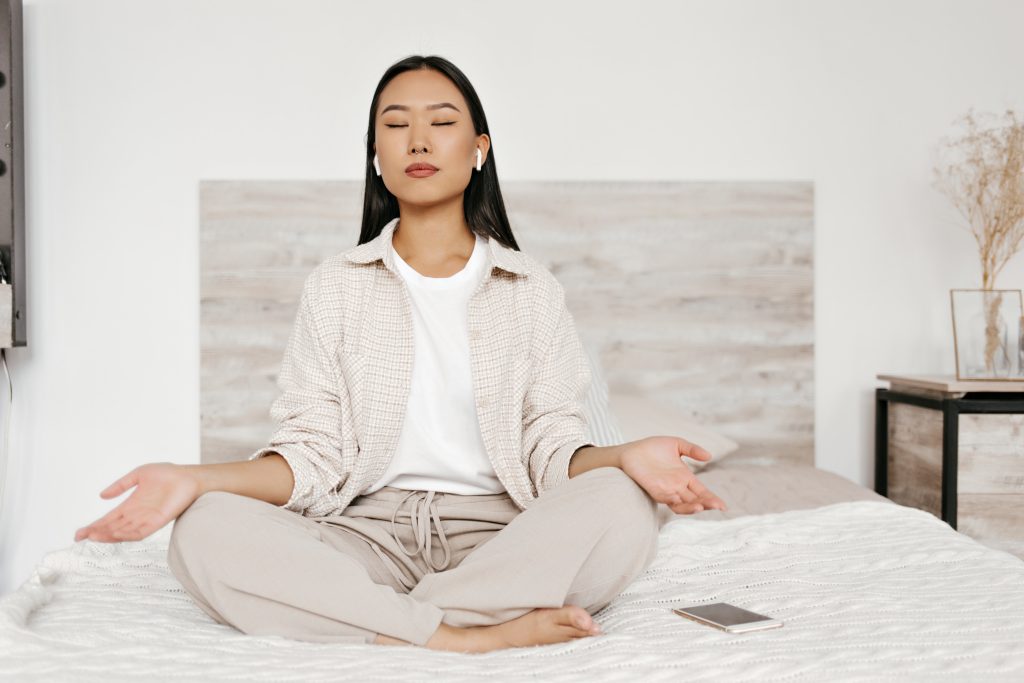
Slow breathing helps your body relax. When your breathing slows, your nervous system feels safer. This reduces sleep anxiety and weakens overthinking at night.
Simple Nighttime Routine to Break the Overthinking Cycle
A calm routine before bed can help your mind shift into rest mode. Soft lighting, gentle stretching, journaling, and relaxation music all create a sense of safety and reduce sleep anxiety.
Foods and Habits That Support Better Sleep
Light meals, warm herbal tea, and consistent sleep timing support better rest. Avoid caffeine and heavy food at night to reduce trouble sleeping at night.
Should You Use Medication for Sleep Anxiety

Best Sleep Aid for Adults With Anxiety Over the Counter
Many people search for the best sleep aid for adults with anxiety over the counter when sleep anxiety becomes difficult. Common options include melatonin and mild antihistamines. These can help short term, but they should not replace long-term habits that reduce sleep anxiety.
Top 10 Sleeping Pills and What You Should Know
Searching for the top 10 sleeping pills is common when sleep feels out of control. Prescription and non-prescription pills may help temporarily, but long-term use should always be supervised by a professional.
When to Consider Speaking to a Doctor
If sleep anxiety lasts for weeks or affects your daily life, it may be time to seek medical advice. Professional guidance can help create a safe plan for recovery.
Long-Term Strategies to Heal Sleep Anxiety

Training Your Brain to Feel Safe at Night
Calming thoughts help reverse sleep anxiety. Remind yourself that sleep does not need to be forced. Safety reduces mental pressure and improves relaxation.
Building a Sleep Routine That Reduces Anxiety
Consistency builds trust in your brain. Sleeping and waking at the same time trains your body to relax more easily.
Daytime Habits That Support Better Sleep at Night
Sunlight, movement, hydration, and reduced stress during the day all reduce sleep anxiety at night.
Fall Asleep Calm, Not Anxious
So, can you really quiet racing thoughts and finally fall asleep naturally? Absolutely. But understanding what triggers your nighttime anxiety, and what your mind needs to feel safe, is what helps you drift into deep, restorative sleep.
Think of your wind-down routine not just as “getting ready for bed,” but as a tool to calm your nervous system, slow your thoughts, and reset your body for a peaceful night. And when sleep still feels out of reach, you don’t have to struggle alone. Our tribe is here to guide you with steps that are simple, gentle, and never overwhelming.
✅ Take Action Now
Sleep anxiety is overwhelming, but it’s not permanent
When your mind won’t stop racing, your body stays tense, and falling asleep feels impossible, it can drain your energy, mood, and confidence. But once you understand why your thoughts spiral at night, and how to calm your nervous system, you can finally start reclaiming peaceful sleep.
Small shifts, like creating a safer sleep environment, using a grounding technique before bed, or practicing a simple breathing routine, can make a huge difference. And if your sleep anxiety keeps coming back, don’t ignore it. Sometimes hidden triggers, like chronic stress, emotional overload, or hormonal imbalances, need the right kind of support.
This is your chance to book your FREE 30-Minute Zoom Clarity Session with me.
This is your moment to get personal guidance tailored to your sleep patterns, anxiety triggers, and lifestyle, so you can keep your progress going without feeling lost.
Say Goodbye to Sleep Anxiety
Still lying awake with a racing mind, constant overthinking, and dread every time you try to fall asleep? Sleep anxiety is draining, but you don’t have to deal with it alone.
👉 Join our 7-Day Energy Booster Program and learn simple, calming habits to quiet your thoughts, relax your nervous system, and finally drift into natural, peaceful sleep.
In just one week, you’ll:
- Learn the real causes behind sleep anxiety and nighttime overthinking
- Try grounding and breathing techniques that silence racing thoughts
- Address hidden triggers like stress buildup, poor wind-down routines, or emotional overload
- Build a calming night ritual that makes your body feel safe enough to sleep
Start today. Restful nights and calmer mornings are just one week away.
Frequently Asked Question
1) What is sleep anxiety and why does it cause trouble sleeping at night
Sleep anxiety is fear or worry about falling asleep. This keeps the brain alert and leads to repeated trouble sleeping at night.
2) Why do I keep overthinking at night even when I feel tired
Overthinking at night happens when stress from the day surfaces during quiet moments. This mental activity strengthens sleep anxiety.
3) What is the best sleep aid for adults with anxiety over the counter
Melatonin and antihistamines are common options for the best sleep aid for adults with anxiety over the counter, but professional guidance is recommended.
4) Are the top 10 sleeping pills safe for regular use
The top 10 sleeping pills may help temporarily but long-term use can affect sleep quality and should be monitored by a doctor.
5) How can I stop sleep anxiety naturally
Deep breathing, relaxed routines, and gentle self-talk help reduce sleep anxiety and improve sleep quality.

