
Introduction
Have you ever finished a workout and wondered why you don’t feel that famous “runner’s high” everyone talks about?
You’re not alone. Many people exercise regularly but never feel the energy, joy, or calm others describe.
That feeling comes from endorphins, your body’s natural “feel-good” chemicals. They play a huge role in how you experience pleasure, motivation, and stress relief. But sometimes, your body doesn’t release enough of them, or you don’t recognize their effects.
In this guide, you’ll learn what endorphins do, how to release endorphins naturally, and how to increase endorphins through small changes in your workouts and lifestyle.
What Are Endorphins and Why They Matter

The Brain’s Natural Mood Boosters
Endorphins are chemicals your brain makes to reduce pain and help you feel good. When you laugh, move, or enjoy something, your body produces endorphins to lift your mood and create a sense of calm. That’s why people call them “happiness hormones.”
So, what do endorphins do exactly? They act like a built-in pain reliever. They block discomfort and help you relax. This is why a tough workout or even a good laugh can make you feel lighter and happier.
The Real Link Between Exercise and Endorphins
Exercise releases endorphins when your body reaches a certain level of physical effort. That’s your body’s reward for pushing through. However, not every type of workout triggers the same response.
Moderate to intense activities like running, cycling, or HIIT are especially effective. These movements raise your heart rate and send your brain a signal to produce more endorphins, creating that natural high many people love after exercise.
Remember, endorphins aren’t the only “feel-good” chemicals. Dopamine and serotonin also help you feel happy and motivated. When you’re stressed, tired, or unbalanced, these systems can struggle, making it harder to feel that post-workout buzz.
Why You Might Not Feel That Post-Workout High

1. Your Genes Can Affect Endorphins
Everyone’s body works differently. Some people naturally have more sensitive endorphin receptors than others. If you don’t feel an endorphin rush after exercise, it doesn’t mean your body isn’t working, it just means your brain might respond differently.
Try experimenting with new workouts to see what helps you feel more energized and positive.
2. Stress and Lifestyle Can Block Endorphins
High stress and lack of sleep can reduce your body’s ability to make or respond to endorphins. When your stress hormone cortisol is high, your body focuses on surviving, not feeling good.
To fix this, get enough sleep, stay hydrated, and eat balanced meals. When your body feels supported, your brain can make endorphins more easily.
3. Your Workout Might Need a Change
If your workouts feel boring or exhausting, your body may not release enough endorphins.
Too little effort won’t challenge your brain; too much can leave you burned out.
The key is to find that middle point, a workout that pushes you but still feels enjoyable.
Example: Dancing, swimming, or cycling to upbeat music combines effort and joy, helping your body release endorphins more effectively.
How to Increase Endorphins Naturally

1. Exercise That Actually Works
To get more exercise endorphins, aim for 20–30 minutes of moderate or high-intensity activity several times a week.
Great options include:
- Running or jogging
- HIIT workouts
- Dancing
- Swimming
- Boxing
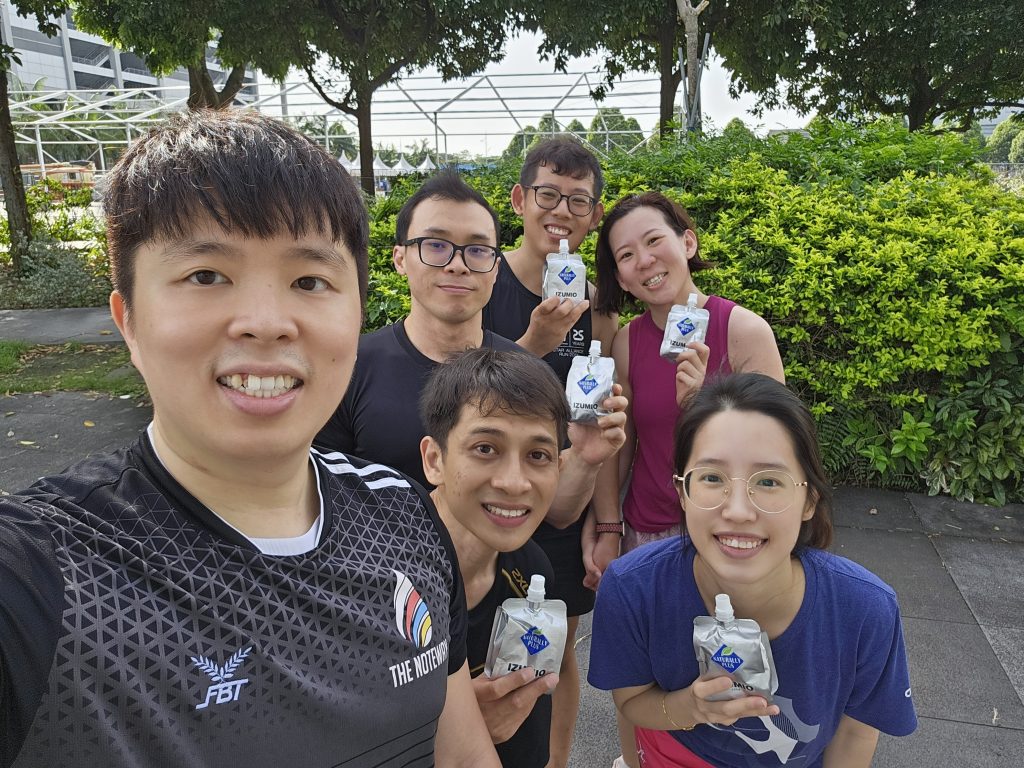
Add music, sunlight, or friends to make it more enjoyable. Joy and motivation help your body release even more endorphins.
2. Easy Ways to Release Endorphins Every Day
If exercise isn’t your thing, here’s how to release endorphins without stepping into a gym:
- Laugh often: Watch a comedy or talk to a funny friend.
- Listen to music: Your favorite songs can trigger endorphins.
- Get outside: Sunlight helps your body produce both serotonin and endorphins.
- Connect with others: Hugs, smiles, and social time all help.
Even five minutes of genuine joy can lift your mood and improve your energy.
3. Eat Foods That Help Endorphins Thrive
Food also affects your mood. Some foods naturally help you boost endorphins:
- Dark chocolate: Contains natural compounds that trigger pleasure.
- Spicy foods: Capsaicin (in chili peppers) stimulates endorphin release.
- Fish and nuts: Omega-3 fats support brain health and neurotransmitters.
- Bananas: Packed with vitamin B6, which supports endorphin production.
Healthy eating makes your body better at creating those feel-good chemicals during exercise and rest.
Build Habits That Keep Endorphins Flowing
1. Create a Routine That Feeds Your Mood
You don’t need a perfect plan to feel better. Start with small daily actions that trigger endorphins.
Try “habit stacking”:
- After brushing your teeth, stretch for two minutes.
- After lunch, take a short walk outside.
- Before bed, write one thing you’re grateful for.
Small steps build consistency, and consistency keeps endorphins flowing.
2. Add Mindfulness to Movement
Mindfulness helps you notice how good your body feels after activity.
After your next workout, take a minute to breathe deeply and feel your heart rate slow down. That calm, warm feeling is endorphins at work.
The more you notice it, the more your brain connects exercise with reward.
3. Know When to Ask for Help
If you never feel better after workouts or struggle with constant fatigue, talk to a doctor. Sometimes low mood or lack of endorphin response can be linked to depression or hormone issues. A professional can help you rebalance your body and mind.
Feel the Rush, Not the Burn
So, can you really boost your endorphins and enjoy that post-workout high again? Absolutely. But understanding what triggers your body’s feel-good hormones, and how to activate them naturally, is what helps you turn every workout into a reward, not a chore.
Think of movement not just as exercise, but as a tool for mood, motivation, and balance in your daily life. And when staying consistent feels tough, our tribe is here to guide you, step by step, without the overwhelm.
✅ Take Action Now
Feeling Flat After Workouts? You Can Change That
Not feeling that post-workout high everyone talks about? You’re not alone, and it’s not permanent. By learning how endorphins work, managing stress, and choosing the right type of movement, you can start to reclaim that energizing, feel-good rush after every workout.
Small adjustments, like adding mindful breathing, mixing in fun workouts, or improving recovery habits, can make a big difference in how your body and mind respond. If your low motivation continues, don’t ignore it, your body may be signaling a need for better balance, rest, or nutrition.
This is your chance to book your FREE 30-Minute Zoom Clarity Session with me. Get personal guidance, learn what’s blocking your energy, and keep your momentum strong.
Bring Back Your Post-Workout High
Do you work out but still feel tired or moody afterward? You don’t have to fix it on your own.
👉 Join our 7-Day Energy Booster Program and learn simple ways to boost your body’s happy hormones, reduce stress, and feel that post-workout glow again.
Start today, your happy, energized self is just 7 days away!
Frequently Asked Question
1) What are endorphins and what do they do?
Endorphins are natural chemicals your brain makes to relieve pain and boost happiness. They help you feel calm, focused, and positive during and after exercise.
2) How does exercise release endorphins?
Exercise releases endorphins after about 20–30 minutes of moderate or high-intensity movement. Activities like running or cycling are especially effective.
3) How can I increase endorphins naturally?
You can increase endorphins with exercise, laughter, music, sunlight, and certain foods like dark chocolate and spicy dishes.
4) Why don’t I feel happy after working out?
Low sleep, high stress, or genetics can reduce your endorphin sensitivity. Try changing your workout intensity, resting more, and focusing on activities you enjoy.
5) Can I boost endorphins without exercise?
Yes. Laughter, music, hugs, and meditation are all proven ways to release endorphins naturally.

