
Introduction
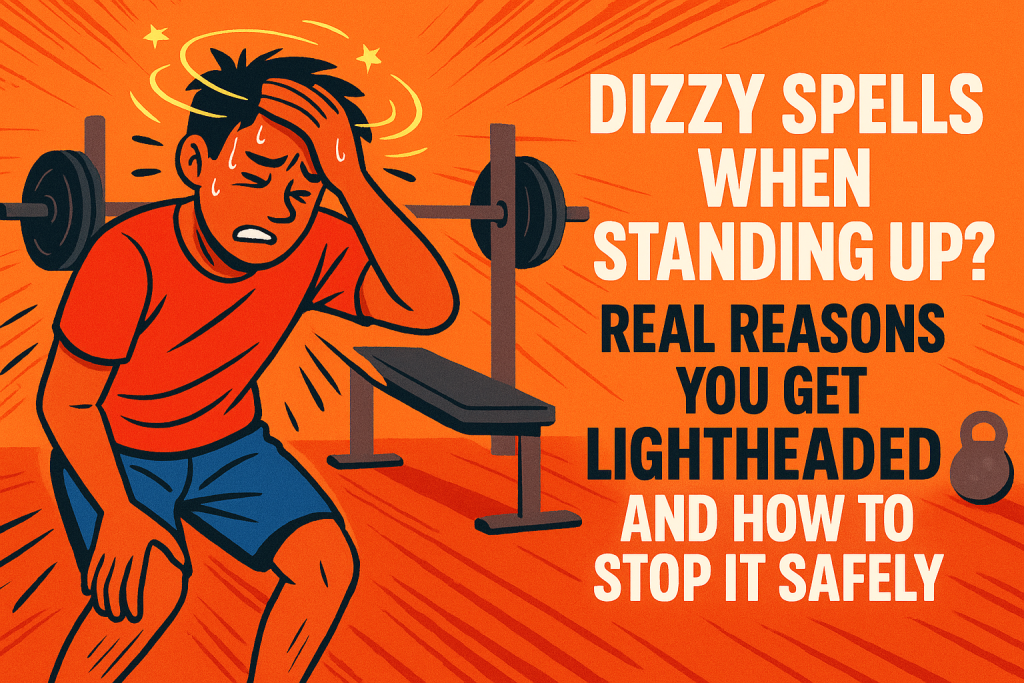
If you often experience dizzy spells when standing up, you know how scary it can feel. One moment you are fine, and the next you feel the room tilt, your vision darken, or your body sway. Many people struggle with dizzy spells daily, especially when getting out of bed, rising from a chair, or standing after a long meeting. These episodes can feel random, but they are usually connected to clear and understandable causes.
What makes dizzy spells so frustrating is how unpredictable they seem. You are not running a marathon or doing heavy exercise. You simply stood up. Yet your body reacts strongly, and you may worry something is seriously wrong. The truth is that dizzy spells often happen because your brain is not getting enough blood or oxygen for a moment. Learning why this happens and which habits trigger these episodes can help you feel more stable and safe.
This guide explains dizzy spells in simple terms, covers the main reasons for lightheadedness, breaks down the orthostatic hypotension definition, and shows how to prevent dizziness from happening again.
What Are Dizzy Spells (Simple Explanation You Can Use)

Dizzy spells are short moments when you feel faint, unsteady, or disconnected from your surroundings. People often describe dizzy spells as feeling like the ground is moving or their vision is fading for a second. These sensations happen because blood flow to the brain drops for a brief moment.
The light headed meaning is simple. It means your brain wants more blood and oxygen than your body is delivering at that moment. This is why dizzy spells usually last only a few seconds. Your body quickly corrects the imbalance.
Why Standing Up Too Fast Makes You Dizzy
When you stand up quickly, blood rushes downward into your legs. Your blood vessels should tighten to send blood back up to your brain. If the reaction is slow, dizzy spells happen. You may feel your vision blur or your knees weaken because your brain is briefly under-supplied.
Real example:
If you are sitting at your desk for hours and suddenly stand to grab something, your circulation has not adjusted yet. That short delay can trigger dizzy spells.
Orthostatic Hypotension Definition and How It Works
Dizzy spells from standing are often caused by a condition called orthostatic hypotension. The orthostatic hypotension definition is:
A sudden drop in blood pressure when a person shifts from sitting or lying down to standing.
When blood pressure drops, the brain receives less oxygen, which leads to dizzy spells, blurred vision, or fainting.
Common orthostatic hypotension causes include dehydration, long periods of sitting, low blood sugar, some heart conditions, and certain medications.
The Most Common Reasons for Lightheadedness When Standing

Most dizzy spells are not random. They follow patterns linked to lifestyle, daily routines, or physical conditions.
Dehydration and Lack of Fluids
Dehydration is one of the most common reasons for dizzy spells. When you are dehydrated, your blood volume decreases. Low blood volume makes it harder for your body to push blood to your brain when you stand.
Signs of dehydration include dry lips, dark urine, dizziness, and fatigue.
Try this:
Keep a water bottle near you and drink a full glass in the morning to avoid dizzy spells early in the day.
Not Eating Enough or Low Blood Sugar
Long gaps between meals or skipping meals can cause low blood sugar. This is a major contributor to dizzy spells. If your dizzy spells happen in the morning or late afternoon, you may not be eating consistently.
Simple fix:
Carry snacks such as nuts or fruit to keep your blood sugar stable.
Sitting Too Long at Work or at Home
When you sit for long periods, blood collects in your legs. Suddenly standing causes a quick drop in blood flow to your brain. This is one of the most common reasons for lightheadedness in office workers, gamers, and students.
Tip:
Before standing, move your feet, flex your calves, or take a deep breath to prepare your body.
Medication-Related Dizziness
Some medications make dizzy spells more likely. These include:
- Blood pressure medications
- Anxiety medications
- Diuretics
- Certain antidepressants
If your dizzy spells started after taking a new medication, tell your doctor.
Iron Deficiency or Anemia
Low iron levels reduce oxygen in your blood. When your brain does not receive enough oxygen, dizzy spells become more frequent, especially when standing.
Watch out for symptoms like fatigue, pale skin, and shortness of breath.
When Dizzy Spells Are a Sign of Something More Serious
Sometimes dizzy spells may signal deeper issues.
Heart Rhythm Issues
Irregular heartbeats can affect how fast your body pumps blood. If you feel dizzy spells paired with heart racing, fluttering, or skipping, get checked.
Inner Ear Imbalances
Your inner ear controls your balance. Issues such as infections, fluid buildup, or inflammation can lead to dizzy spells, especially when you turn your head quickly.
Example:
If turning your head or rolling over in bed triggers dizziness, your inner ear may be involved.
Neurological Reasons
In rare cases, dizzy spells result from nerve or brain conditions. If dizziness comes with numbness, slurred speech, or weakness, seek medical help immediately.
How to Stop Dizzy Spells Quickly and Safely

You can reduce or prevent dizzy spells with a few simple steps.
Simple Body Positioning Tricks
These quick actions help prevent dizzy spells when standing:
- Stand up gradually
- Move your legs before rising
- Flex your calf muscles
- Hold onto something stable
- Sit down if your vision fades
These techniques help your body adjust blood flow smoothly.
Habits That Reduce Lightheadedness Daily
Small lifestyle habits make a big difference in preventing dizzy spells. Try:
- Drinking water throughout the day
- Eating regular meals
- Reducing caffeine
- Adding light exercise like walking
- Strengthening leg muscles
- Stretching in the morning
These habits support better circulation and reduce dizzy spells over time.
When to Get Medical Advice
See a doctor if your dizzy spells:
- Occur daily
- Cause fainting
- Come with chest pain
- Include shortness of breath
- Happen after new medication
- Include blurred vision or confusion
Your health and safety always come first.
Stay Steady, Not Lightheaded
Dizzy spells can be confusing and uncomfortable, but understanding why they happen gives you control. Many dizzy spells come from simple reasons for lightheadedness such as dehydration, long hours of sitting, or low blood sugar. Knowing the orthostatic hypotension definition and learning how your body reacts to standing can help you avoid sudden dizziness and stay safe.
Think of simple habits like hydration, slow position changes, and strengthening your circulation not just as quick fixes, but as tools to support your daily energy, focus, and overall balance.
And when dizziness keeps returning or feels unpredictable, our tribe is here to guide you gently and clearly, without overwhelm.
✅ Take Action Now
Dizzy Spells Don’t Have to Control Your Day
Dizziness when standing up can feel scary, but it’s not something you’re stuck with forever.
By understanding why your body gets lightheaded, addressing stress, and improving your daily habits, you can start to regain stability and confidence.
Small changes like drinking enough water, standing up more mindfully, adjusting your breathing, or supporting healthy blood flow can make a big difference. And if your dizziness keeps happening, don’t ignore it. A professional can help uncover hidden triggers such as low blood pressure, dehydration, or nutrient imbalance.
This is your chance to book your FREE 30-Minute Zoom Clarity Session with me.
Get personal guidance so you can stay consistent and keep making progress.
Say Goodbye to Dizzy Spells
Still struggling with sudden dizziness when you stand up?
Still getting lightheaded even on normal days? You don’t have to figure it out alone.
👉 Join our 7-Day Energy Booster Program and learn simple daily habits that support better blood flow, balanced hydration, and a calmer nervous system, so you can finally stop those dizzy spells safely.
In just one week, you’ll:
- Learn the real reasons behind dizziness when standing
- Try natural fixes that help stabilize your blood pressure
- Address hidden triggers like dehydration or stress
- Build daily routines that keep your energy steady and your body supported
Start today. Your clear, steady, energized days are just 7 days away.
Frequently Asked Question
1) What does being light headed mean?
The light headed meaning is the feeling of faintness or unsteadiness caused by temporary low blood flow to the brain. It often appears during dizzy spells.
2) Why do I get dizzy spells when standing up?
Standing quickly can cause blood pressure to drop. This is one of the common reasons for lightheadedness, especially when dehydrated or tired.
3) What are the main orthostatic hypotension causes?
The most common orthostatic hypotension causes are low blood pressure, dehydration, long periods of sitting, certain medications, and low iron levels.
4) How do I stop dizzy spells fast?
Stand slowly, move your legs before rising, hydrate, and eat regularly. These actions help prevent dizzy spells.
5) Should I worry about frequent dizzy spells?
Frequent dizzy spells should be checked by a doctor, especially if they cause fainting or come with chest pain or shortness of breath.

