
Introduction
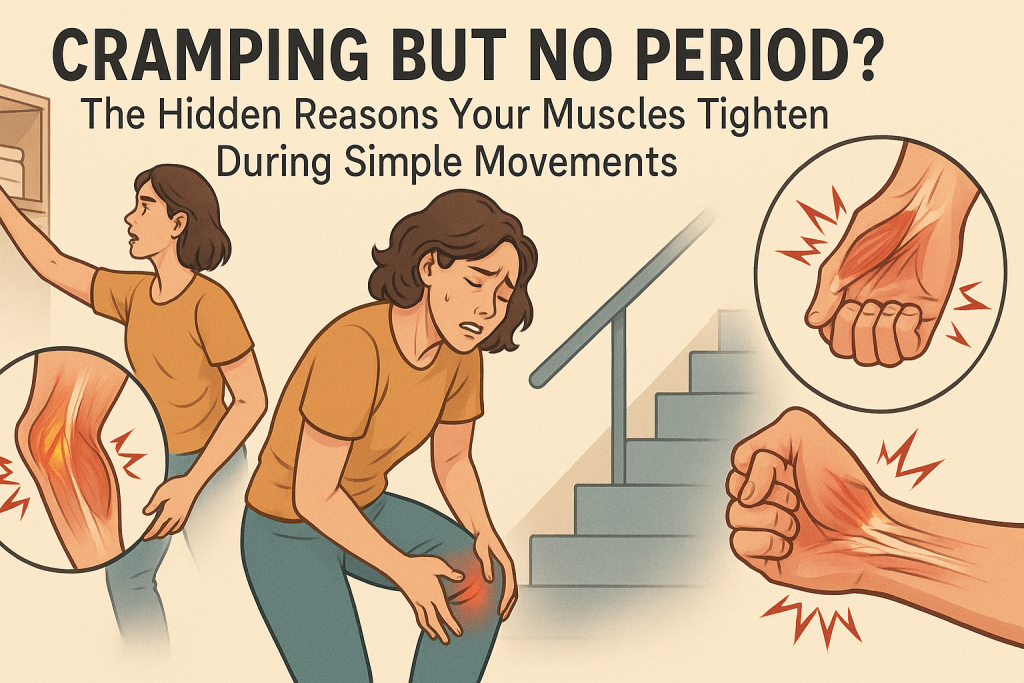
Do you ever feel cramping during simple activities like walking, stretching, or standing up? It can happen fast and catch you off guard. Many people assume it is menstrual related, only to realize they are cramping but no period is coming. This kind of cramping is very common, and most of the time, it has more to do with hydration, muscles, stress, or nutrients than with your cycle.
Cramping is often your body’s way of saying something needs support. When you understand why it happens, you can reduce it, prevent it, and feel more comfortable during daily movement.
Understanding What Cramping Really Means
Cramping Meaning in Clear, Simple Terms
Cramping happens when a muscle tightens suddenly and struggles to relax. It can feel sharp, tight, or like the muscle is squeezing itself. Cramping can appear in your legs, belly, feet, back, or hands. Many people only think of cramping before period or cramping during ovulation, but muscle cramps can happen anytime your muscles feel stressed or unbalanced.
Why Cramping Can Happen During Light or Gentle Activity
You do not need to exercise hard to get a cramp. When muscles are dehydrated, weak, stiff, or low in nutrients, even gentle movement can trigger cramping. Something as simple as reaching for an object, walking across the room, or getting up from a chair can activate a muscle too quickly and cause pain.
When Cramping Has Nothing To Do With Your Period
If you feel cramping but no period is coming, your body may be responding to things like poor sleep, low hydration, stress, tight muscles, or low electrolytes. These are everyday causes that people often overlook.
The Most Common Causes of Cramping During Simple Movements
Dehydration and Low Electrolytes
Muscles need water and electrolytes to contract and relax smoothly. When your body is low in sodium, potassium, or magnesium, your muscles become more sensitive and tighten faster. Even mild dehydration can make simple activities feel harder.
Poor Circulation From Sitting Too Long
Sitting for many hours slows blood flow to the legs and hips. When you stand up or start moving again, your muscles have to activate quickly. This sudden change can cause cramping, especially in the calves, thighs, or feet.
Weak Muscles Fatigue Faster, Leading to Cramping
Weak or underused muscles get tired quickly. When a muscle tires, it tightens, which can trigger a cramp. Everyday movements feel more intense when your muscles lack strength or stability.
Hormonal Cramping That Feels Like Muscle Pain
Cramping During Ovulation and Mid Cycle Tightness
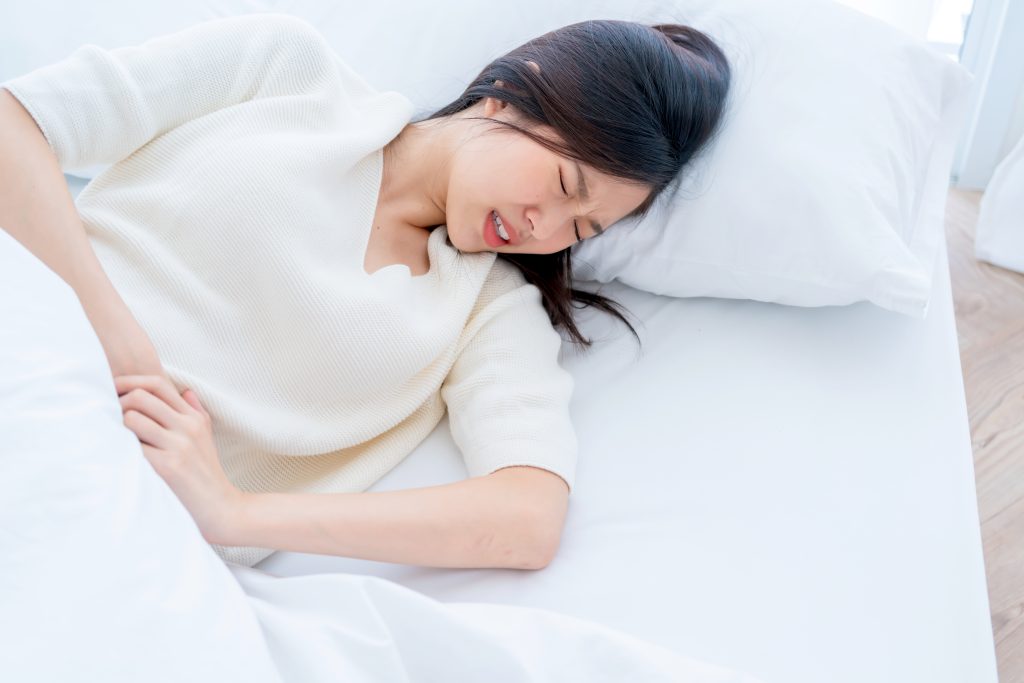
Cramping during ovulation can feel like a deep muscle ache. When the ovary releases an egg, there is a small amount of inflammation. This can create pressure or tightness in the pelvis, hips, or lower back, and sometimes it feels similar to muscle cramping.
Cramping Before Period and Why It Spreads to Muscles
Cramping before period is normal for many people. Hormone changes can cause fluid retention, digestion changes, and muscle sensitivity. This can make surrounding areas like the back, hips, and thighs feel tight and sore even during gentle movement.
Cramping But No Period? Other Non Hormonal Causes
If you are cramping but no period is expected, the cause may be stress, dehydration, low magnesium, weak muscles, or inflammation. These can mimic menstrual cramps even when you are not on your cycle.
Lifestyle Habits That Make Cramping Worse
Not Stretching or Warming Up Before Movement
Muscles that are stiff or cold tighten faster. Even light activity benefits from simple warm up motions. A few slow movements help muscles prepare for activity and reduce the chance of sudden cramping.
Staying Hydrated Only at Night Instead of Throughout the Day
Drinking a lot of water at night cannot undo daytime dehydration. Muscles need steady, consistent hydration to stay relaxed and function well.
Low Nutrient Intake and Lack of Anti Inflammatory Foods
Your muscles relax more easily when your meals include anti inflammatory foods. Carotenoids found in papaya, carrots, tomatoes, pumpkin, spinach, and sweet potatoes help lower inflammation and support smoother muscle movement. A lack of these nutrients makes cramping more likely.
How to Stop Cramping Quickly and Naturally
Simple Hydration Fixes That Work Within Minutes
At the first sign of a cramp, drink water or a beverage with electrolytes. Coconut water, water with a pinch of salt, or drinks with potassium and magnesium help your muscles relax faster.
Easy Stretches for Calves, Thighs, and Lower Back
Gentle stretching increases blood flow and helps the muscle release. A calf stretch against the wall, a hamstring stretch by reaching toward your toes, or bringing your knees to your chest while lying on your back can provide fast relief.
Carotenoid Rich Foods That Calm Muscle Inflammation
Adding carotenoid rich foods to your daily meals reduces irritation and helps muscles recover. Papaya is especially soothing, and carrots or sweet potatoes pair well with most meals.
Long Term Prevention for Cramping During Daily Life
Gentle Strength Exercises to Reduce Future Cramping
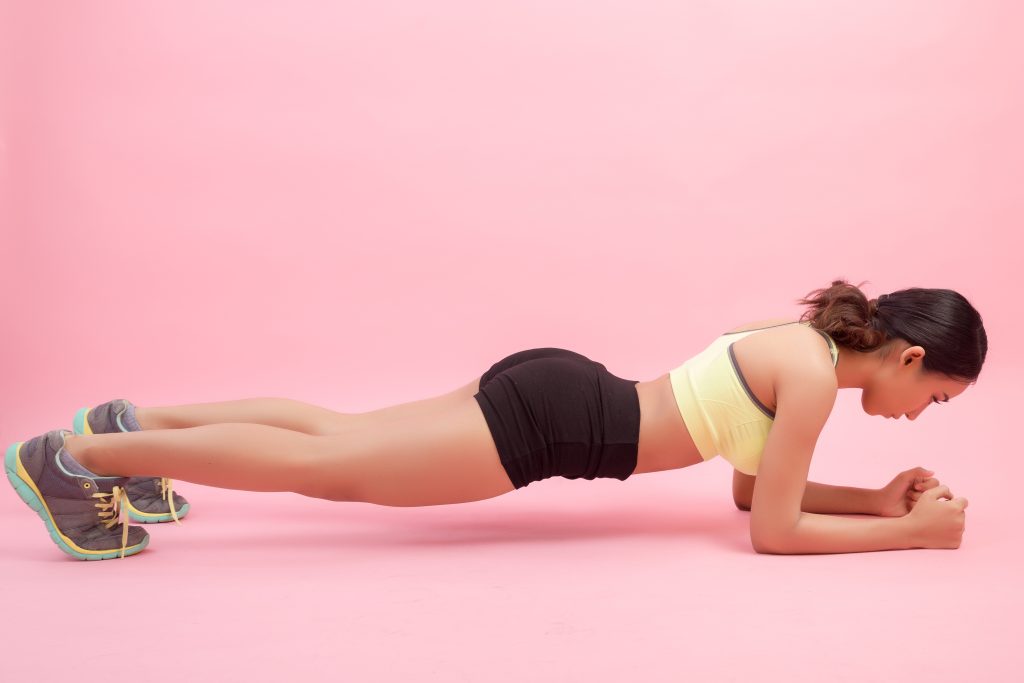
Stronger muscles are less likely to cramp. Simple strength exercises like bodyweight squats, wall push ups, or resistance band pulls improve stability and help muscles handle daily movement without tightening.
Daily Mobility Routine for Smooth Movement
A short daily mobility routine keeps your muscles flexible. A few slow hip circles, ankle rolls, or a gentle forward fold can help prevent tightness that leads to cramping.
Eating for Muscle Recovery and Smooth Movement
Your muscles recover better when your meals include protein, fruits, vegetables, and minerals like magnesium and potassium. Carotenoids also support muscle relaxation and reduce the tension that contributes to cramping.
Say Goodbye to Cramping
Cramping during simple movements is more common than most people think. If you are cramping but no period is expected, the cause is usually dehydration, low electrolytes, weak muscles, or low nutrient intake. Once you stay hydrated, strengthen your muscles, move gently each day, and include carotenoid rich foods, cramping becomes easier to control and prevent.
If you want a simple seven day anti cramping plan, message me:
✅ Take Action Now
When Your Body Hurts But You Don’t Know Why
Cramping with no period can feel confusing and scary, but it’s not something you have to live with. When your muscles tighten during simple movements, your body is trying to tell you something. By understanding what causes these hidden cramps, managing stress, and improving your daily habits, you can start to feel normal again.
Small changes, like stretching with intention, fixing your posture, drinking enough water, or adjusting your movement routines, can make a huge difference. And if the cramps continue, don’t ignore them. A deeper issue like mineral imbalance, gut stress, or tight fascia may be the real trigger.
This is your chance to book your FREE 30-minute Zoom Clarity Session with me. This is your space to get personal guidance to understand your symptoms, fix the root cause, and regain control of your body.
Say Goodbye to Random Cramps
Still dealing with sudden cramps even when your period isn’t coming? Or feeling your muscles tighten during simple movements for no clear reason? You don’t have to figure it out alone.
👉 Join our 7-Day Energy Booster Program and discover simple daily habits that release muscle tension, improve circulation, and calm the hidden stress that causes your body to tighten up.
In just one week, you’ll:
- Learn the real reasons behind unexplained cramps
- Try natural fixes that relax tight muscles
- Address hidden triggers like dehydration, nutrient imbalance, and posture stress
- Build body habits that make movement feel light and pain free
Start today. Your stronger, more relaxed body is only 7 days away.
Frequently Asked Question
1) What does cramping mean when it is not related to my period
Cramping meaning in this case is a muscle tightening because it is tired, dehydrated, low in electrolytes, or reacting to stress.
2) Why am I cramping but no period
This can happen due to low hydration, weak muscles, poor circulation, stress, or mild inflammation. It is common and not always related to hormones.
3) What causes cramping during ovulation
Cramping during ovulation happens because the ovary releases an egg, which creates a small amount of pressure and inflammation. This can make nearby muscles feel tight.
4) Is cramping before period normal
Yes. Hormone changes before your period can make pelvic muscles and nearby areas tighten, which leads to soreness or cramping.
5) Can food help reduce cramping
Yes. Foods rich in carotenoids like papaya, carrots, sweet potatoes, tomatoes, and pumpkin support muscle recovery and help reduce inflammation.

