
What Are Cold Symptoms (Understanding the Basics)

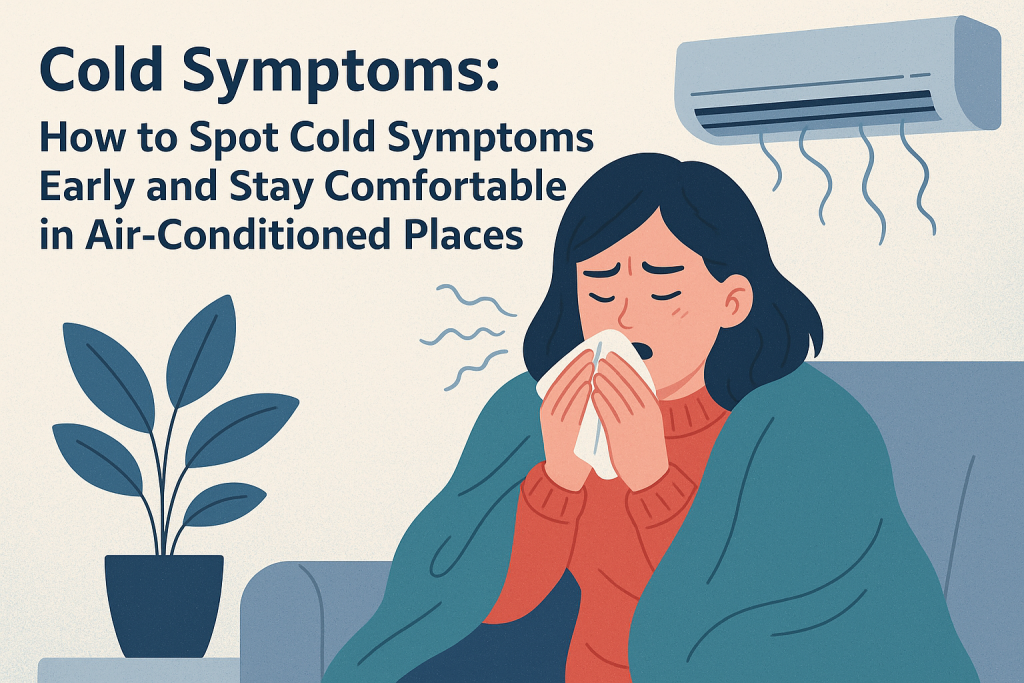
If you often feel cold in air-conditioned places, it can be hard to tell if you are just reacting to the temperature or already showing early cold symptoms. Many people feel chilly in AC rooms, but sometimes these sensations are actually the start of common cold symptoms. Knowing the difference helps you stay comfortable and catch health issues early.
Cold symptoms are signs your body is reacting to a virus. Feeling cold from the environment is different from feeling cold because your body is fighting an infection. Understanding what each feeling means can help you respond faster and prevent the cold from getting worse.
The Most Common Cold Symptoms to Watch For
Here are the most common cold symptoms that appear slowly:
- Runny or blocked nose
- Sneezing
- Scratchy or sore throat
- Feeling tired
- Light cough
- Post-nasal drip
When several of these cold symptoms appear together, it usually means your body is entering the early stage of the cold.
Cold and Flu Symptoms: What’s the Difference
Cold and flu symptoms may look similar, but flu symptoms are stronger and more sudden. Understanding cold and flu symptoms helps you respond correctly.
Flu symptoms often include:
- High fever
- Body aches
- Severe fatigue
- Chills
- Headaches
- Dry cough
If your symptoms strike quickly and feel intense, you may be experiencing flu rather than basic cold symptoms.
Why You Often Feel Cold in Air-Conditioned Places

Air-conditioned rooms can trigger or worsen cold symptoms for several reasons:
- AC lowers humidity, which dries your nose and throat.
- Your body uses more energy to stay warm.
- Sitting for long periods slows your circulation.
- Viruses spread faster in packed indoor spaces with cold air.
This is why you may feel cold or notice early cold symptoms even when others do not.
Signs Your Body Is Fighting a Cold Before You Feel Sick
Your body gives you signals when something is wrong. Here are early signs your body is fighting a cold:
- Sudden tiredness
- Dry or itchy throat
- Random sneezing
- Nose irritation
- Feeling colder than usual in the same AC temperature
- Mild pressure near your eyes or nose
These early signs show your body is preparing to fight off a virus before stronger cold symptoms appear.
Environmental vs Health-Related Coldness: How to Know the Difference
Here is a simple comparison to help you tell the difference:
|
If It Is the AC |
If It Is Real Cold Symptoms |
|
You feel cold but still normal |
You feel cold and tired or unwell |
|
Symptoms stop when you leave the room |
Symptoms follow you anywhere |
|
Throat and sinuses feel fine |
Throat and nose feel irritated |
|
Happens often only in cold places |
Happens suddenly and anytime |
If your coldness stays even after leaving the room, your body may be showing early cold symptoms.
Practical Tips to Stay Warm and Prevent Cold Symptoms Indoors

Here are simple ways to support your body and reduce cold symptoms while staying indoors.
Wear the Right Clothing Layers for AC Workplaces
The right layers help your body regulate temperature and prevent cold symptoms. You can wear:
- A light jacket or cardigan
- A scarf
- A thin long-sleeve shirt
- Warm socks
These layers help you stay warm even in strong AC.
Improve Your Circulation to Reduce Coldness
Good blood flow keeps you warm and helps your immune system fight cold symptoms. Try these movements every hour:
- Rotate your ankles
- Stretch your arms
- Roll your shoulders
- Drink warm water or tea
- Stand up for short breaks
- Avoid crossing your legs too long
These small actions help your body stay warm and active.
Strengthen Your Immune System Daily
A stronger immune system can prevent cold symptoms from getting worse. Simple habits include:
- Drinking enough water
- Eating fruits and vegetables high in vitamin C and carotenoids
- Sleeping 7 to 8 hours
- Moving at least 10 minutes a day
- Reducing stress
- Limiting sugar
These habits support your body and help you fight off sickness faster.
When Should You Worry About Cold Symptoms (Red Flags)
Most cold symptoms are mild and improve within several days. See a doctor if you have:
- Fever lasting more than 2 days
- Trouble breathing
- A very painful sore throat
- Chest pain
- Cold symptoms lasting more than 7 to 10 days
- Dark green or bloody mucus
Pay attention to these signs so you can get help early if needed.
Stay Comfortable in Cold Air, Not Miserable
Feeling cold in air-conditioned rooms can confuse you. Sometimes it is just the environment. Other times, it is the start of real cold symptoms. By understanding early signs your body is fighting a cold, supporting your immune system, and making simple daily changes, you can stay healthy and avoid stronger symptoms.
Think of your daily routine not only as staying warm, but as a tool to protect your immunity, keep your energy steady, and help you feel good in any environment. And when cold symptoms keep coming back, you do not have to handle it alone. Our tribe is here to guide you, without the confusion or overwhelm.
✅ Take Action Now
Cold Symptoms Don’t Have to Slow You Down
Cold symptoms can be frustrating, especially when air-conditioned rooms make everything feel worse. But the good news is they’re not permanent.
By learning to spot early signs like throat irritation, fatigue, or a runny nose, and by supporting your immunity with simple daily habits, you can stay comfortable even in cold environments.
Small adjustments like staying hydrated, protecting your throat, managing stress, or boosting your vitamin intake can make a big difference. And if your symptoms keep coming back, don’t ignore them. It could be a sign of low immunity or hidden triggers that need attention.
This is your chance to book your FREE 30-Minute Zoom Clarity Session with me.
Get personal guidance so you can keep your progress going and protect your health long-term.
Say Goodbye to Constant Cold Symptoms
Still dealing with early cold symptoms every time you spend the day in cold or air-conditioned places? You don’t have to figure it out alone.
👉 Join our 7-Day Energy Booster Program and learn simple immunity habits, stress relief techniques, and daily routines that help your body stay strong even in chilly environments.
In just one week, you’ll:
- Learn the real reasons your cold symptoms appear so easily
- Try natural fixes to soothe throat irritation, blocked nose, and fatigue
- Address hidden triggers like low immunity or overexposure to cold air
- Build daily habits that keep you comfortable and energized
Start today, your healthier, symptom-free days are just 7 days away!
Frequently Asked Question
1) What are the earliest signs your body is fighting a cold
Early signs your body is fighting a cold include sudden tiredness, scratchy throat, random sneezing, sinus pressure, and feeling colder than usual in air-conditioned places. These signs show up before common cold symptoms become stronger.
2) What are the most common cold symptoms
The most common cold symptoms are runny nose, blocked nose, sneezing, sore throat, mild cough, and low energy. These cold symptoms usually come on slowly.
3) How are cold and flu symptoms different
Cold and flu symptoms overlap, but flu symptoms are more intense. Flu often includes fever, body aches, and severe tiredness, while cold symptoms stay mild and usually affect only your nose and throat.
4) Why do I feel cold in AC rooms when I am not sick
Feeling cold in AC rooms can come from low humidity, slower circulation, or natural temperature sensitivity. Cold air can also irritate your throat and nose, which may lead to cold symptoms later.
5) Can cold temperatures cause actual cold symptoms
Cold temperatures do not directly cause illness, but they weaken your nose’s natural defenses. When your airway becomes dry, viruses enter more easily, which leads to cold symptoms.

