
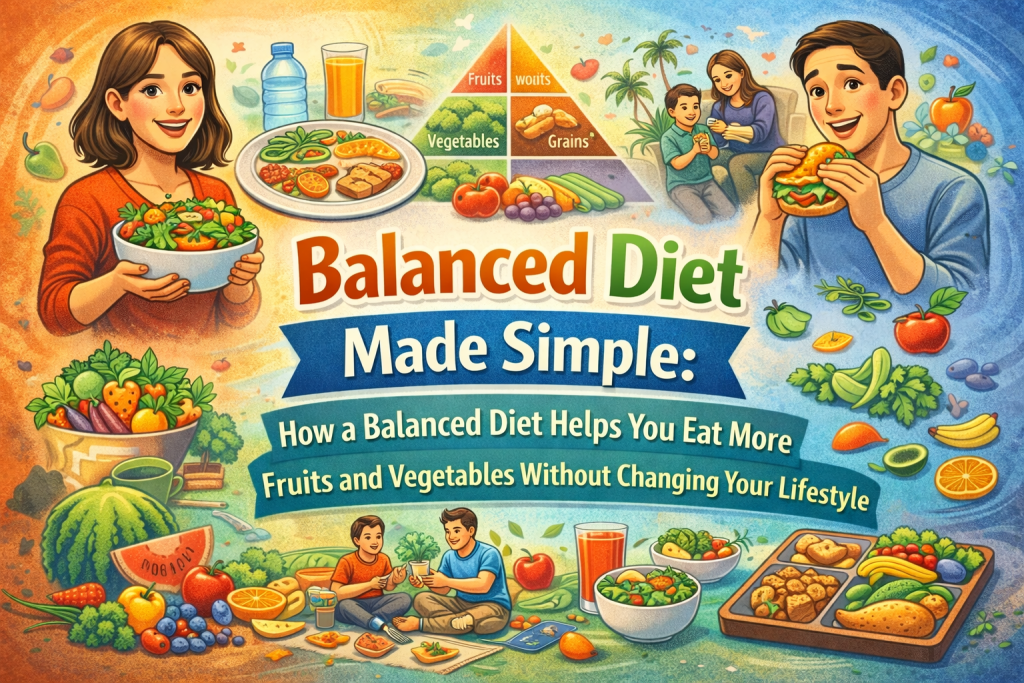
Introduction
If you feel tired most days, struggle to eat enough fruits and vegetables, or rely on takeout more than you want to admit, you are not alone.
Many people believe they eat “okay,” yet still lack energy, focus, and good health. The real problem is often not how much you eat, but how balanced your diet really is.
A balanced diet is not about strict rules or cooking every meal at home. It is about making sure your body gets enough nutrients from real food, especially fruits and vegetables. When a balanced diet is missing, nutrient gaps like vitamin D deficiency or vitamin B12 deficiency can slowly build up.
The good news is this: you can improve your balanced diet without changing your lifestyle. Small, realistic habits can help you eat better, feel stronger, and protect your long-term health.
What Is a Balanced Diet and Why Most People Struggle With It
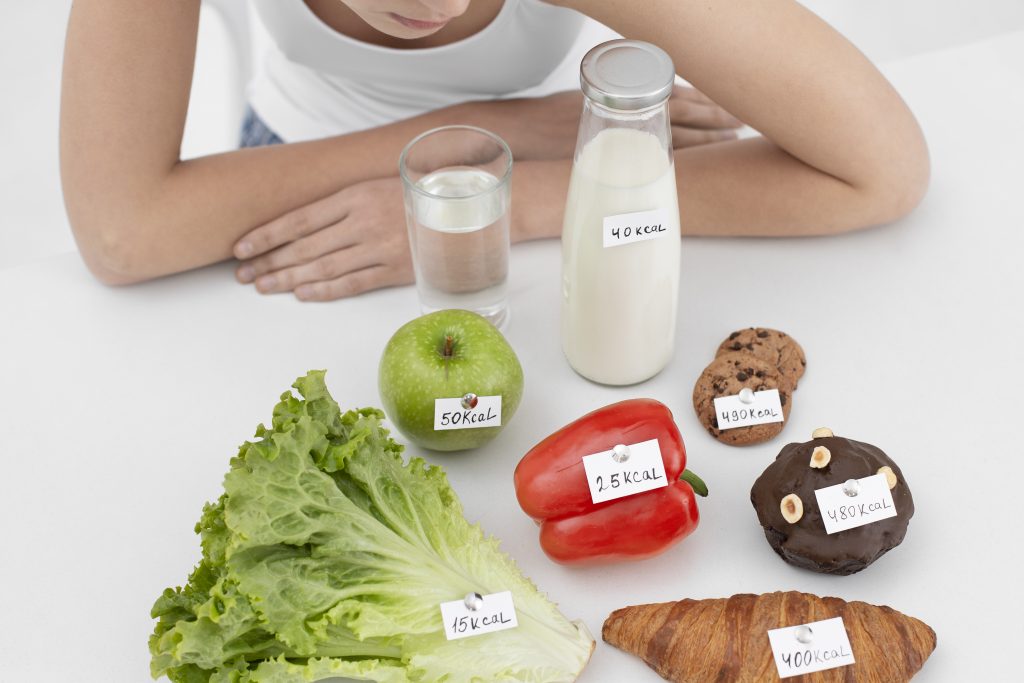
What “balanced diet” really means (not dieting or restriction)
A balanced diet means eating a variety of foods that support your body’s daily needs. It includes fruits, vegetables, protein, healthy fats, and carbohydrates in reasonable portions.
A balanced diet does not mean cutting food, skipping meals, or avoiding your favorite dishes. It means adding what your body is missing, especially plant-based foods that provide fiber, vitamins, and minerals.
You can eat full meals and still lack a balanced diet if fruits and vegetables rarely appear on your plate.
Why modern adults don’t eat enough fruits and vegetables
Many adults struggle with a balanced diet because:
- They eat out often
- Workdays are long and tiring
- Cooking feels inconvenient
- Fast food and delivery are easy options
As a result, fruits and vegetables are slowly replaced by refined and processed foods. Over time, this makes a balanced diet harder to maintain.
The hidden cost of skipping plant foods
When a balanced diet lacks fruits and vegetables, your body sends quiet warning signs:
- Low energy
- Frequent sickness
- Digestive discomfort
- Poor concentration
- Dull skin
These signs are easy to ignore, but they often point to poor diet balance.
Not Eating Enough Fruits & Vegetables: The Silent Health Problem
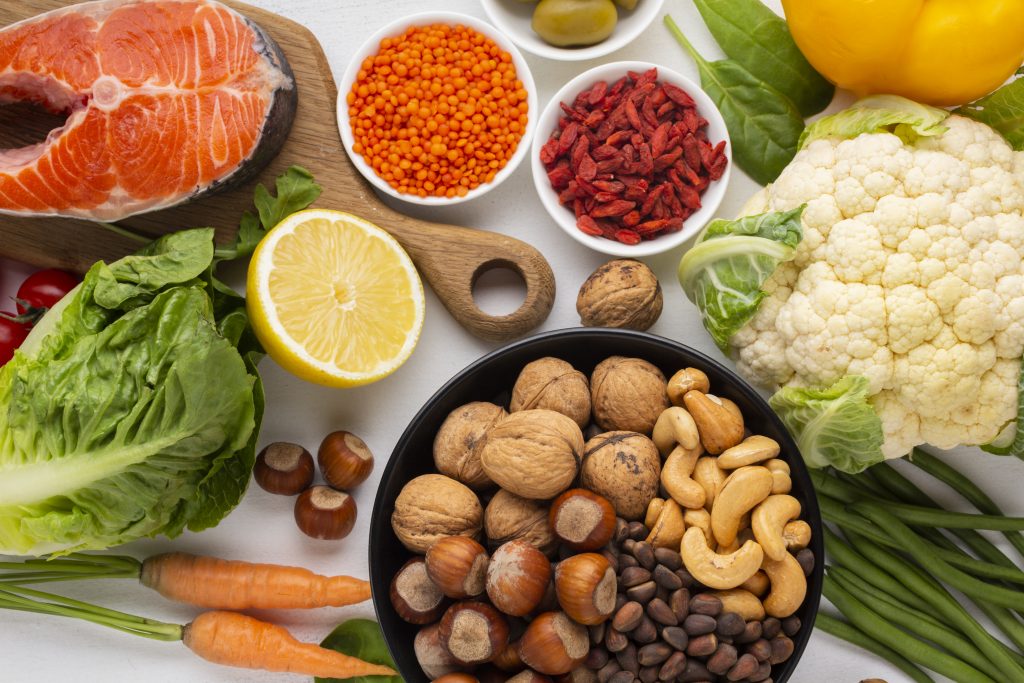
Common signs your diet lacks fruits and vegetables
If your balanced diet is weak, you may notice:
- Constant fatigue
- Strong sugar cravings
- Bloating or constipation
- Slow recovery from illness
These are not random problems. They are signs your body needs better nutrition.
How low fruit and veggie intake affects energy and immunity
A balanced diet rich in fruits and vegetables supports:
- Stable energy levels
- Strong immunity
- Healthy digestion
Without enough plant foods, your body struggles to function at its best.
Why “eating less” does not equal “eating better”
Many people try to fix low energy by eating less. But eating less of the wrong food does not improve a balanced diet.
A balanced diet focuses on food quality, not food restriction.
Nutrient Gaps You May Have Without a Balanced Diet
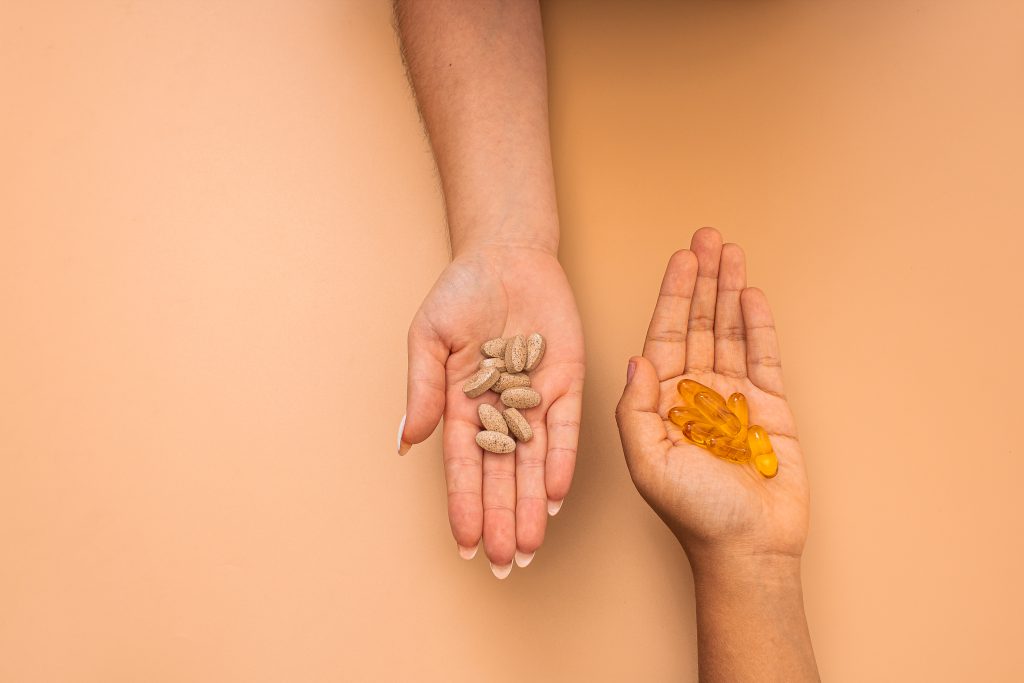
Vitamin D deficiency: causes, symptoms, and why food matters
Vitamin D deficiency is very common, especially for people who:
- Work indoors
- Avoid sunlight
- Eat limited food variety
Low vitamin D can affect bones, immunity, mood, and energy. While sunlight helps, a balanced diet supports overall vitamin D health and absorption.
Vitamin B12 deficiency and low plant variety
Vitamin B12 deficiency can cause:
- Fatigue
- Brain fog
- Weakness
- Tingling sensations
A poor balanced diet with little food variety increases the risk, even for people who eat meat.
Vitamin D deficiency disease you should not ignore
Long-term vitamin D deficiency disease can lead to bone weakness and other health problems. This is why a balanced diet matters before symptoms become serious.
How fruit and vegetable intake supports vitamin absorption
A balanced diet with fruits and vegetables improves gut health. A healthy gut helps your body absorb vitamins more effectively, including vitamin D and B12.
Don’t Have Time to Cook? Smart Ways to Eat Better Anyway
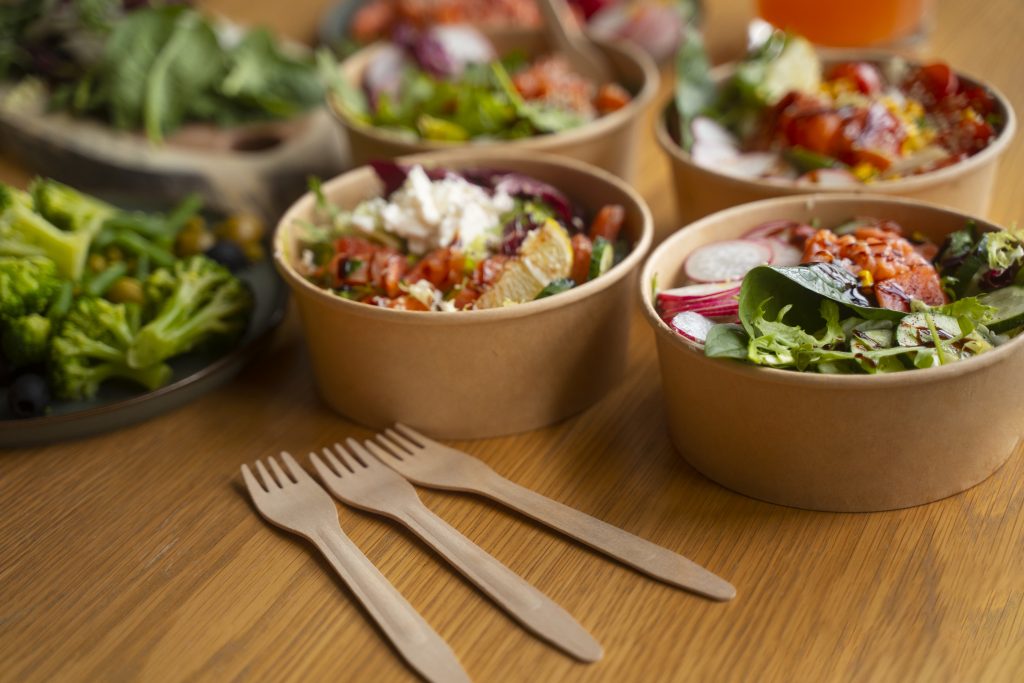
How to build a balanced diet with minimal effort
You do not need complicated meals to maintain a balanced diet.
Simple options include:
- Frozen vegetables
- Ready-to-eat salads
- Fruits added to breakfast
- Quick stir-fries
These small choices support a balanced diet without stress.
Healthy food shortcuts that still work
A balanced diet does not require perfection.
Helpful shortcuts:
- Add fruit as a daily snack
- Add vegetables to takeaway meals
- Keep nuts or fruit nearby
Small steps done daily work better than big changes done once.
What to look for when buying food that’s healthy outside
When eating out, choose food that’s healthy by looking for:
- Visible vegetables
- Multiple colors
- Simple cooking styles
These signs usually mean better balance and nutrition.
Eating Out or Ordering In? Here’s How to Stay Balanced

How to choose vegetarian food near me wisely
Searching for vegetarian food near me can help improve a balanced diet, but choose wisely. Look for meals with vegetables, whole grains, and protein, not just refined carbs.
How to choose vegan meal near me without missing nutrients
A vegan meal near me can support a balanced diet if it includes legumes, vegetables, and healthy fats. Variety helps prevent nutrient gaps.
Simple add-ons that turn meals into a balanced diet
Easy add-ons improve balance fast:
- Add a vegetable side
- Add fruit after meals
- Add soup or salad
These changes require little effort but deliver real benefits.
Simple Daily Habits That Fix a Balanced Diet Long Term

One-plate rule for fruits and vegetables
A simple rule for a balanced diet: include at least one fruit or vegetable in every meal.
How consistency beats perfection
A balanced diet does not require perfect meals. Eating slightly better most days is enough to support health.
Small changes that prevent vitamin deficiencies
Over time, small improvements in a balanced diet help prevent vitamin D deficiency, vitamin B12 deficiency, and other nutrition-related problems.
Eat Better Without Changing Your Lifestyle
So, can you really eat a balanced diet and add more fruits and vegetables without turning your life upside down? Absolutely. But knowing what your body needs, and how to fit simple food choices into your daily routine, is what helps you build healthier eating habits that last. Think of a balanced diet not as strict rules, but as a tool for better energy, digestion, and overall health every day. And when eating well feels confusing or overwhelming, our tribe is here to guide you, without the stress.
✅ Take Action Now
Eat Better Without Overthinking Your Diet
Eating healthy can feel confusing, but it does not have to be hard or restrictive. By understanding what a balanced diet really means, making small food swaps, and adding more fruits and vegetables in simple ways, you can improve your health without changing your lifestyle. Little habits, like planning easy meals, upgrading snacks, or balancing your plate, can make a big difference over time. If healthy eating still feels overwhelming or you are not sure where to start, do not ignore it. Getting guidance can help you spot hidden habits that hold you back and create a plan that works for you.
This is your chance to book your FREE 30-Minute Zoom Clarity Session with me. This is your chance to get personal guidance to keep your momentum going.
Eat Better Without Overhauling Your Life
Eating a balanced diet does not have to mean strict rules, expensive groceries, or changing everything you love. With the right approach, you can naturally eat more fruits and vegetables, support digestion, and boost daily energy without feeling restricted.
Small shifts matter. Simple habits like smarter meal balance, easy food swaps, and better timing can help your body feel lighter and more energized. When eating well feels simple, it becomes something you can actually stick to.
If you feel confused about where to start or keep falling back into old habits, you do not have to figure it out alone.
👉 Join our 7-Day Energy Booster Program and discover easy nutrition habits, stress-aware eating tips, and daily guidance to help you nourish your body without changing your lifestyle.
In just one week, you will:
- Learn how to build a balanced plate without counting calories
- Add more fruits and vegetables in ways that feel natural
- Support digestion and energy through simple food choices
- Create eating habits that fit your real life
Start today. Feeling better with food is closer than you think.
Frequently Asked Question
1) What happens if I don’t follow a balanced diet?
Without a balanced diet, you may experience low energy, weak immunity, digestive problems, and vitamin deficiencies even if you eat enough calories.
2) Can vegetarian or vegan meals support a balanced diet?
Yes. Vegetarian and vegan meals can support a balanced diet when food variety and nutrients are planned properly.
3) Is vitamin D deficiency caused only by lack of sunlight?
No. Sunlight matters, but a balanced diet also plays a role in supporting healthy vitamin D levels.
4) How can I eat healthy when I always eat out?
Choose meals with vegetables and variety. Searching vegetarian food near me or vegan meal near me can help you find healthier options.
5) What is the easiest way to start a balanced diet today?
Add one fruit or vegetable to your next meal. This single habit strengthens your balanced diet immediately.

