
Introduction
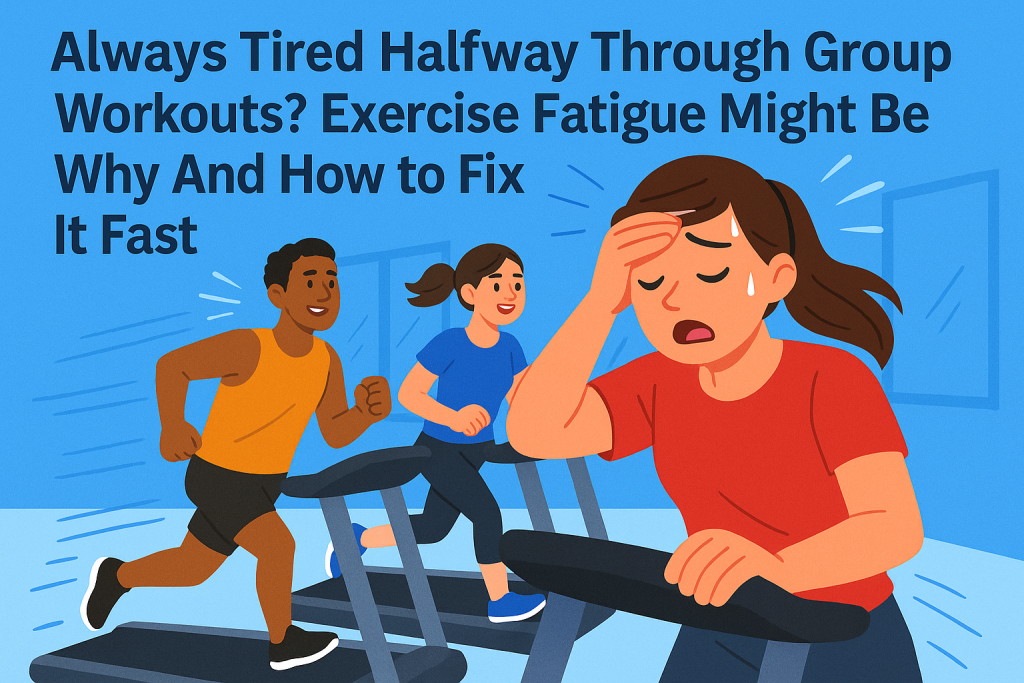
Have you ever joined a group workout feeling excited and ready to go, only to feel worn out halfway through the class? You are not alone. Many people feel heavy, slow, or drained long before the workout ends. This early crash is often caused by exercise fatigue. When exercise fatigue builds up, your muscles, breath, and focus drop faster than you expect.
Exercise fatigue is not a sign of weakness. It simply means your body and mind are struggling to keep up with the pace of the class. When exercise fatigue becomes frequent, it can turn into exercise fatigue syndrome, which makes every workout feel harder than it should.
This guide will help you understand why exercise fatigue shows up, how to spot exercise fatigue symptoms, and how exercise fatigue recovery works so you can finish group classes with confidence.
What Is Exercise Fatigue and Why It Hits Harder in Group Classes

Exercise fatigue happens when your body cannot maintain the same strength or energy throughout your workout. Your muscles run low on fuel, your breathing gets heavy, and your mind starts to lose focus. This is normal, but when it happens too early in a workout, it becomes a problem.
Group classes often make exercise fatigue stronger because the environment pushes you harder than you realize. Loud music, fast instructions, and group energy can make you go faster than your body is ready for. If you come in tired, stressed, or under-recovered, exercise fatigue shows up even faster.
Over time, repeated overtraining can lead to exercise fatigue syndrome, which creates ongoing tiredness and low motivation.
The Hidden Triggers Most People Miss
- Starting the class too fast
- Weak cardio base
- Poor sleep or mental stress
- Incomplete recovery from previous sessions
Even simple habits like skipping breakfast or drinking too little water can increase exercise fatigue.
Common Exercise Fatigue Symptoms You Should Not Ignore

Your body gives early warning signs before exercise fatigue becomes overwhelming. Look for:
- Heavy arms or legs
- Breathing too fast during easy movements
- Losing strength suddenly
- Feeling dizzy or unfocused
- Frustration or irritability
- Feeling tired much earlier than usual
These exercise fatigue symptoms show that your body is struggling to keep up.
When Symptoms Hint at Exercise Fatigue Syndrome
If fatigue lasts for days, you may be experiencing exercise fatigue syndrome. This includes:
- Soreness lasting longer than 48 hours
- Low motivation
- Sudden drop in workout performance
- Feeling tired even after a full night of sleep
- Energy crashes after exercise
If these symptoms appear often, your body is asking for deeper recovery.
Why You Struggle to Finish Group Exercise Classes
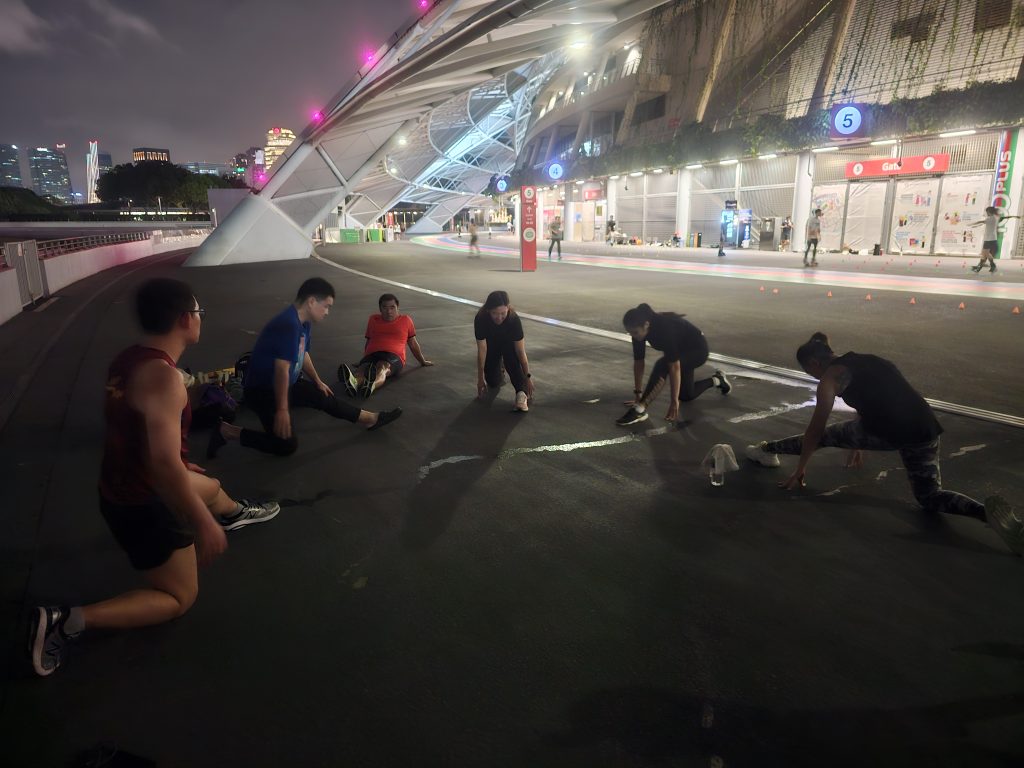
Not finishing a group class does not mean you are out of shape. It often means your pacing, preparation, or recovery is off.
Many people struggle because:
- They try to follow the class pace instead of their own
- They skip warm-ups
- They do not hydrate enough
- They choose a level that is too hard
- They do too many intense workouts without rest
Self-Check: Is It Your Fitness Level or Your Recovery Routine
Ask yourself these questions:
- Do I feel tired before the class even starts
- Did I sleep poorly this week
- Am I still sore from my last workout
- Did I eat enough today
If the answer is yes to most of these, you are not dealing with a fitness problem. You are dealing with a recovery problem, which makes exercise fatigue worse.
Proven Ways to Recover From Exercise Fatigue Faster
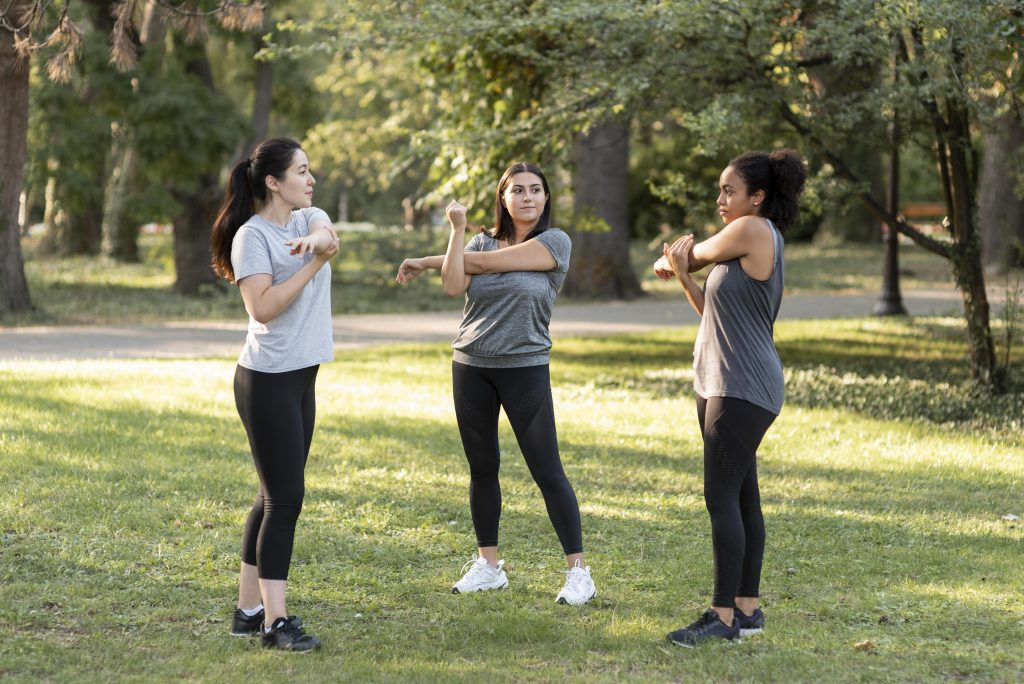
Exercise fatigue gets better with simple daily habits. Small improvements add up quickly.
Pacing Strategies That Prevent Early Burnout
- Start slower than the instructor
- Treat the first round like a warm-up
- Choose lighter weights
- Replace jumps with steps
- Use slow breathing to control your heart rate
These changes make exercise fatigue show up much later in the workout.
Warm-Up Rituals That Delay Exercise Fatigue Symptoms
A proper warm-up prepares your muscles and brain for movement. Try this short routine:
- March in place
- Hip circles
- Shoulder rolls
- Light squats
- Lunges with a twist
This helps delay exercise fatigue symptoms and improves performance.
Post-Workout Habits for Faster Exercise Fatigue Recovery
Good recovery is the key to preventing exercise fatigue syndrome. After class:
- Cool down slowly
- Stretch tight areas
- Drink water with electrolytes
- Eat carbs and protein within one hour
- Do light movement the next day
These steps support fast and effective exercise fatigue recovery.
Build Consistency Without Burning Out

Consistency matters more than intensity. To avoid exercise fatigue, balance hard and easy days.
Smart Scheduling to Avoid Exercise Fatigue Syndrome
Try this weekly structure:
- Two hard workout days
- Two moderate days
- One or two light recovery days
- One full rest day
This protects your body from exercise fatigue syndrome and keeps you strong.
Mental Fatigue and Motivation Loss: The Overlooked Factor
Your mind affects how you feel during workouts. Stress, work pressure, or emotional overload can make exercise fatigue feel ten times worse.
Helpful tips:
- Breathe slowly when you feel overwhelmed
- Set small goals like finishing the warm-up
- Modify exercises without guilt
- Celebrate small wins
A calmer mind reduces exercise fatigue symptoms.
Train Stronger, Not Exhausted
So, can you really fix exercise fatigue and stop running out of energy halfway through your group workouts? Absolutely.
But knowing what’s draining your stamina, and what to do about it, is what helps you finally train with power, confidence, and consistency.
Think of your warmups, your recovery, and your daily habits not just as “extra steps,” but as tools to boost strength, focus, and endurance every time you move.
And when lasting energy feels out of reach, our tribe is here to guide you, step by step, without the overwhelm.
✅ Take Action Now
Exercise Fatigue Doesn’t Have to Hold You Back
Feeling tired halfway through every group workout is frustrating, but it’s not permanent. By understanding what causes exercise fatigue, addressing your stress levels, and improving your recovery habits, you can finally keep up with the class and finish strong.
Small changes, like adjusting your warmup, fixing your form, or improving your hydration and nutrition, can make a huge difference in your endurance. And if the fatigue keeps coming back, don’t ignore it. Getting guidance can help uncover hidden triggers such as overtraining, poor breathing techniques, or low energy reserves.
This is your chance to book your FREE 30-Minute Zoom Clarity Session with me.
This is your chance to get personal support so you can build stamina, boost energy, and enjoy your workouts again.
Say Goodbye to Mid-Workout Fatigue
Still finding yourself exhausted halfway through every group workout, no matter how motivated you feel at the start? You don’t have to figure it out alone.
👉 Join our 7-Day Energy Booster Program and discover simple recovery habits, stress-relief techniques, and daily energy-boosting tips to help you train stronger and last longer.
In just one week, you’ll:
• Learn the real causes of exercise fatigue and energy crashes
• Try natural fixes like breathing techniques to boost stamina
• Address hidden triggers such as poor fueling, dehydration, or stress
• Build workout habits that help you stay energized from warmup to cooldown
Start today, your stronger, more energized workouts are just 7 days away!
Frequently Asked Question
1) What causes exercise fatigue
Exercise fatigue happens when your body is low on energy or stressed. Poor sleep, dehydration, fast pacing, or lack of recovery make it worse.
2) What are the early exercise fatigue symptoms
Early exercise fatigue symptoms include heavy limbs, fast breathing, weaker muscles, dizziness, and loss of focus.
3) How do I recover from exercise fatigue quickly
Hydrate well, stretch after class, eat balanced meals, sleep enough, and use light movement the next day. These support exercise fatigue recovery.
4) What is exercise fatigue syndrome
Exercise fatigue syndrome is long-lasting tiredness caused by overtraining and poor recovery habits.
5) Should I rest if I feel fatigued
Yes. Avoid high-intensity workouts until your exercise fatigue symptoms improve.

