
Introduction
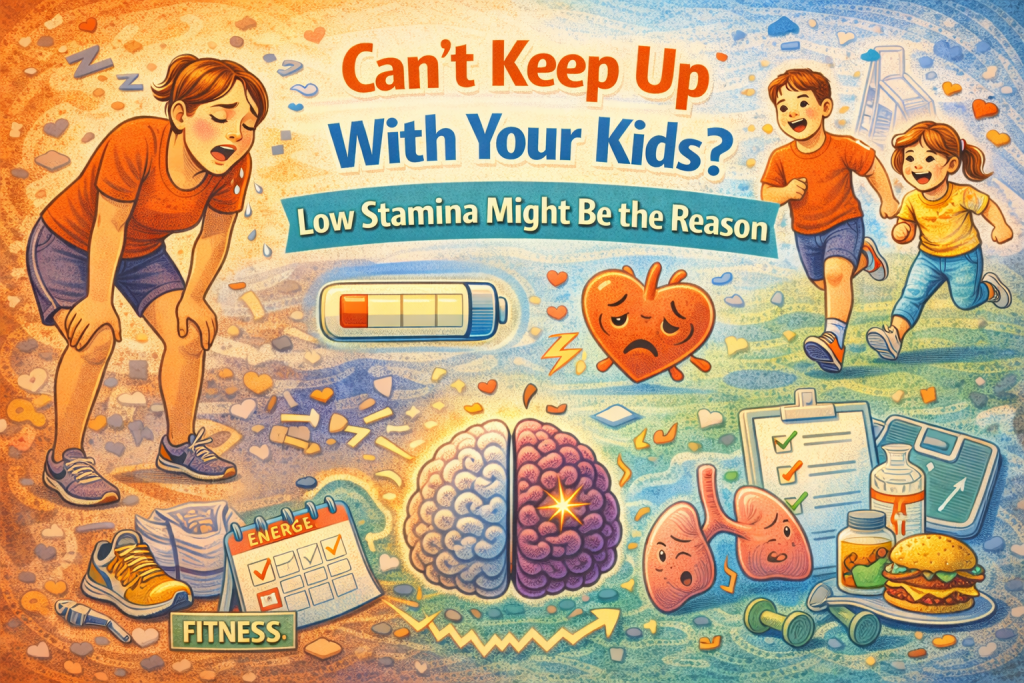
Your kids are running, climbing, laughing.
You try to keep up.
But after a while, you feel tired. Very tired.
You may sit down and tell them, “Wait for mummy.”
Inside, you feel bad. Maybe even guilty.
If you are a working mum over 40, this is very common. And it does not mean you are weak.
Very often, the real issue is low stamina.
Low stamina affects many working mums, especially those managing high blood pressure, high cholesterol, or high blood sugar. This article explains the low stamina meaning, the most common low stamina causes, and how to fix low stamina gently without burning yourself out.
Why So Many Mums Feel Guilty About Their Energy Levels
The emotional weight of not keeping up with your kids
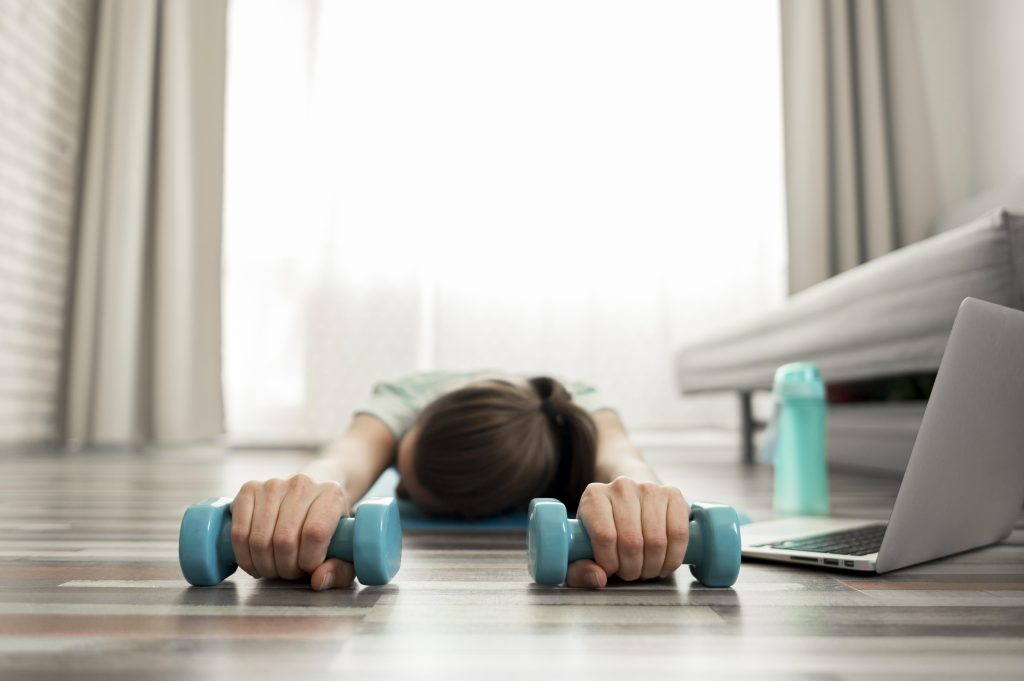
Many mums feel sad when they cannot keep up physically with their kids.
They want to play more.
They want to be more active.
When low stamina gets in the way, guilt shows up quickly.
Why mums blame themselves instead of listening to their bodies
Mums are used to pushing through tiredness.
So when energy drops, many think they should try harder. But low stamina is not a mindset problem. It is a physical signal from the body.
Why this guilt often shows up after 40
After 40, the body changes.
Hormones shift. Recovery slows. Energy works differently.
But expectations stay the same. This mismatch makes many mums feel guilty about low stamina.
Low Stamina Meaning: What It Really Means for Working Mums

Low stamina meaning explained in simple terms
Low stamina means your body cannot sustain energy for long periods.
You may start activities fine, but you tire quickly. You need more recovery time, even after simple tasks.
The difference between being busy, tired, and low in stamina
Being busy means your schedule is full.
Being tired means you need rest.
Low stamina means your energy system itself is depleted.
You can rest and still experience low stamina if the root causes are not addressed.
Why resting more does not always solve low stamina
Sleep is important, but it is not the full solution.
Low stamina is often linked to stress, blood sugar balance, inflammation, and nervous system recovery. That is why resting more alone may not fix low stamina.
Why Your Kids Have Endless Energy and You Do Not

How age and hormones change stamina after 40
Kids recover quickly. Adults do not.
After 40, hormonal changes affect how your body produces and uses energy. This makes low stamina more likely, even if you are doing everything right.
The invisible energy drain of work, caregiving, and mental load
Your kids play and rest.
You work, plan, worry, and care all day. This mental load quietly drains stamina and contributes to low stamina over time.
Why comparing your energy to your kids is unfair
Your kids are growing.
You are sustaining a family.
Comparing stamina levels is not fair to your body.
Common Low Stamina Causes in 40+ Working Mums

Poor sleep quality even when you sleep enough
Many mums sleep enough hours but still wake up tired.
Stress and hormone changes affect sleep quality and are common low stamina causes.
High blood pressure, cholesterol, or blood sugar draining energy
These health conditions often do not cause pain, but they use energy in the background.
This quiet energy drain contributes to low stamina.
Chronic stress and inflammation
Long-term stress keeps the body in alert mode.
This drains stamina and slows recovery, making low stamina worse.
Skipping meals and relying on caffeine
Skipping meals and depending on coffee causes energy spikes and crashes.
Over time, this worsens low stamina and makes recovery harder.
Signs Low Stamina Is Affecting More Than Just Physical Energy

Getting tired faster during daily activities
Simple activities feel harder. You get tired faster than before.
Longer recovery after busy days
One busy day now takes two or three days to recover from. This is a key low stamina sign.
Feeling foggy or emotionally drained
Low stamina affects mental clarity and emotions.
You may feel forgetful, impatient, or flat.
Less patience and joy with your kids
This is often the most painful part of low stamina. It steals moments, not just energy.
How to Fix Low Stamina Without Pushing Yourself Harder

Why exercise more is not always the first step
When stamina is low, pushing harder can backfire.
Your body may need stabilization before intensity. This is a key principle when learning how to fix low stamina.
Supporting stamina through food, rest, and calm
To fix low stamina, focus on:
- Regular balanced meals
- Proper hydration
- Stress regulation
- Consistent rest
These support energy recovery safely.
Small daily changes that rebuild stamina
Small steps matter more than big plans.
Eating on time, gentle movement, and better sleep habits all help fix low stamina over time.
Gentle Energy Habits That Help You Keep Up With Your Kids

Morning routines that protect energy
Avoid rushing first thing in the morning.
Hydrate, eat breakfast, and move gently to support stamina.
Eating patterns that support stamina
Balanced meals help stabilize blood sugar.
Stable blood sugar supports stamina throughout the day.
Simple movement that builds stamina
Walking, stretching, and light strength work are enough.
You do not need intense workouts to fix low stamina.
Why consistency matters more than effort
Doing small things daily works better than doing too much occasionally.
Consistency rebuilds stamina safely.
When Low Stamina Is a Health Signal

How low stamina links to health issues
Low stamina is often linked to blood pressure, cholesterol, and blood sugar imbalance.
It is a signal worth paying attention to.
Warning signs to take seriously
If stamina keeps dropping or fatigue affects mood and sleep, it is time to seek support.
When to seek structured help
You do not have to solve low stamina alone.
Structured support can help rebuild energy safely.
You Do Not Need More Willpower. You Need Support

Why pushing harder keeps stamina low
Willpower cannot replace recovery.
Pushing harder often worsens low stamina.
How understanding your body helps
When you understand low stamina, guilt fades.
Less stress helps energy improve.
Why gentle structure works better than random tips
Random advice overwhelms.
Simple, step-by-step support works best for fixing low stamina.
Feel Energized Again, Not Left Behind
So, can you really rebuild your stamina and stop feeling exhausted while your kids still have energy to spare? Yes, you can.
But the key is understanding what’s draining your energy in the first place, and what simple changes can help your body recover. Low stamina is often linked to poor recovery, stress, weak routines, and habits that quietly wear you down over time.
Think of your daily habits not just as tasks to get through, but as tools to support strength, energy, and focus for your whole day. When you fuel, move, and rest your body the right way, keeping up with your kids no longer feels impossible.
And when rebuilding your energy feels confusing or overwhelming, our tribe is here to guide you step by step, without pressure or guilt.
✅ Take Action Now
Feeling Worn Out Before the Day Even Ends?
Not being able to keep up with your kids can feel frustrating and discouraging, but low stamina is not permanent. By understanding what drains your energy, such as poor sleep, stress, low recovery, or daily habits, you can start to rebuild your strength and endurance. Small changes, like improving your sleep routine, fueling your body better, or adding gentle recovery habits, can make a real difference. If your low stamina continues, do not ignore it. Talk to a doctor to uncover hidden causes like hormonal imbalance, nutrient deficiencies, or sleep issues.
This is your chance to book your FREE 30-Minute Zoom Clarity Session with me. This is your chance to get personal guidance to keep your momentum going.
Can’t Keep Up With Your Kids? Low Stamina Might Be the Reason
Feeling out of breath, sore, or exhausted just trying to keep up with your kids can be frustrating. But low stamina is not a personal failure, and it is not permanent. Most parents deal with hidden energy drains like poor recovery, stress overload, weak routines, or missed nourishment without realizing it.
The good news is that small changes can bring your energy back. Simple habits like improving daily movement, supporting your body with better fuel, and building short recovery routines can help you feel stronger and more capable again. When stamina issues stick around, it is important not to ignore them. Low stamina can be linked to deeper causes like chronic fatigue, stress burnout, or poor sleep quality.
You do not have to figure this out alone.
👉 Join our 7-Day Energy Booster Program and learn simple daily habits, stress relief tools, and energy-building routines designed for busy parents. In just one week, you will:
- Understand what is really draining your stamina
- Learn easy ways to rebuild energy without long workouts
- Support your body with better daily rhythms
-
Create routines that help you keep up with your kids again
Start today. More energy and stronger days are closer than you think.
Frequently Asked Question
1) What does low stamina mean?
Low stamina means your body cannot sustain energy for long periods. You tire easily and need longer recovery time.
2) What are common low stamina causes after 40?
Common low stamina causes include hormonal changes, chronic stress, poor sleep, irregular meals, and health conditions like high blood pressure, cholesterol, or blood sugar imbalance.
3) Is low stamina normal for working mums?
Low stamina is common, but it should not be ignored. It is a signal that your body needs better energy support.
4) How can I fix low stamina without exhausting myself?
To fix low stamina, focus on gentle routines, balanced nutrition, stress regulation, and consistency instead of intensity.
5) Can low stamina improve even with health conditions?
Yes. With the right approach, low stamina can improve safely even when health conditions are present.

