
Introduction
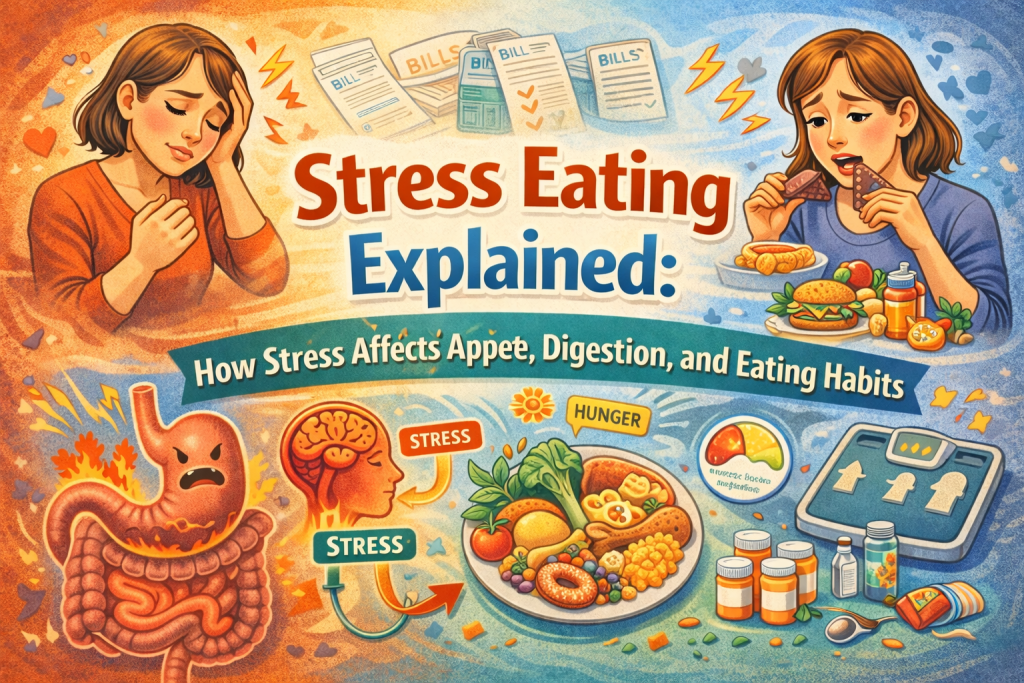
When stress takes over, many people expect one thing to happen: overeating.
But for a large number of adults, stress eating looks very different. Instead of eating more, appetite disappears. Meals get skipped. Food feels heavy. Hunger signals go quiet.
If this sounds familiar, you’re not broken.
This is a common form of stress eating, and it is closely linked to how stress and digestion work in the body.
This article explains why stress eating can cause appetite loss, how stress changes digestion, and how to support eating gently without forcing food.
Stress Eating Isn’t Always Overeating, Sometimes It’s Appetite Loss

What most people think stress eating means
Most people think stress eating means emotional overeating.
Snacking when anxious. Reaching for sugar. Eating without hunger.
That is one type of stress eating.
But it is not the only type.
Why stress eating can also look like skipping meals
For many people, stress eating means:
- Skipping meals
- Forgetting to eat
- Feeling full very quickly
This pattern is still stress eating. It simply shows up as eating less, not more.
Why losing appetite during stress is more common than people admit
Stress appetite loss is common in people who:
- Carry high responsibility
- Stay mentally alert all day
- Push through fatigue
- Live with constant pressure
This is not a personal failure. It is a nervous system response.
How Stress Affects Your Appetite and Digestion

Stress and digestion explained in simple terms
Digestion works best when your body feels calm.
Stress sends the opposite signal.
When stress is high, your body shifts into survival mode. Energy moves away from digestion and toward alertness. This is why stress and digestion are deeply connected.
What happens to your stomach and gut when you’re stressed
During stress:
- Digestion slows
- Stomach movement reduces
- Blood flow shifts away from the gut
Food may feel heavy. Hunger fades. Eating feels uncomfortable.
Why stress appetite loss feels physical, not emotional
Stress appetite loss is physical.
Your body is choosing safety over digestion.
This is why logic alone does not bring hunger back.
Why You Lose Appetite When Stressed (Even If You Know You Should Eat)

Fight-or-flight mode and hunger shutdown
Stress activates fight-or-flight mode.
In this state, hunger is not useful.
Your body assumes action is more important than eating.
So appetite shuts down.
How stress hormones affect hunger signals
Stress hormones affect hunger hormones. Signals that normally trigger eating become weak or delayed.
This is why stress and eating patterns can feel confusing and inconsistent.
Why forcing yourself to eat often makes things worse
Forcing food during stress can cause:
- Nausea
- Bloating
- Discomfort
- Strong food avoidance later
Supporting digestion first works better than pressure.
Common Signs Stress Is Disrupting Your Eating Habits

Skipping meals without noticing
You look at the clock and realize you missed another meal.
This is one of the most common signs of stress eating.
Feeling hungry but unable to eat
You feel hunger but food feels wrong.
A few bites feel like too much.
This often signals a stress-digestion imbalance.
Digestive discomfort after stressful days
High-stress days may bring:
- Tight stomach
- Acid reflux
- Bloating
- Cramping
These are common signs of stress affecting digestion.
Is Stress Appetite Loss Bad for Your Health?

Short-term vs long-term appetite loss
Short-term appetite loss during stress is normal.
Long-term stress appetite loss can affect health if the body does not get enough fuel over time.
What happens when stress and digestion stay disrupted
Ongoing stress and digestion issues may affect:
- Energy levels
- Immunity
- Mood
- Hormonal balance
Eating becomes another stress point instead of support.
When stress eating patterns become a health issue
Stress eating deserves attention when appetite loss:
- Lasts for weeks
- Causes fatigue
- Leads to weight changes
- Affects sleep or focus
How to Eat When Stress Kills Your Appetite (Without Forcing Food)
Eating for nourishment, not fullness
During stress, focus on nourishment.
Small amounts are enough.
Gentle food is better than large meals.
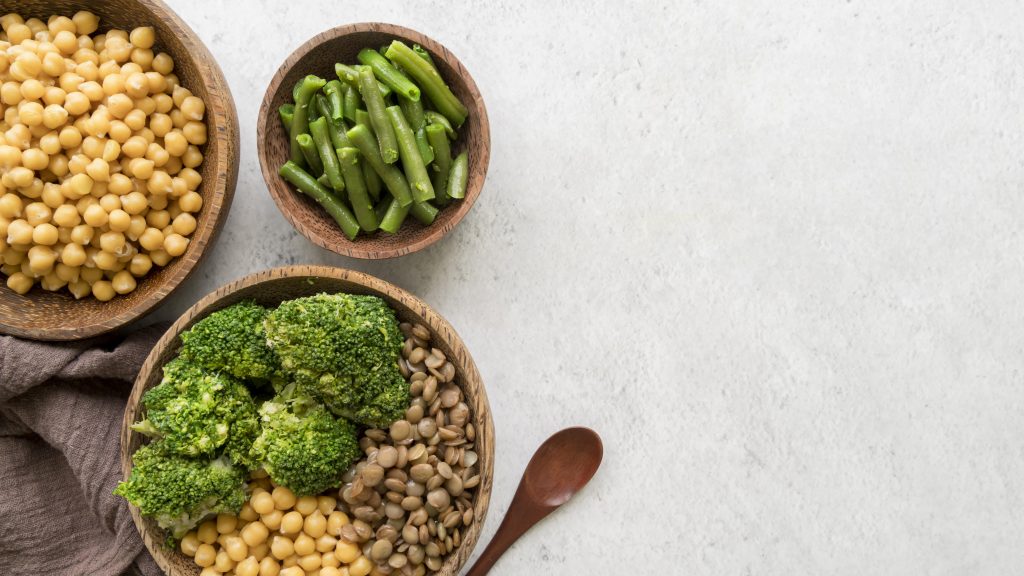
Gentle foods that support digestion during stress
Helpful options include:
- Warm soups or broths
- Smoothies
- Soft grains
- Simple proteins
Warm, soft foods are easier when stress is high.
Timing meals around stress levels
Eat more when stress is lower.
Work with your daily stress rhythm instead of fighting it.
Simple Habits That Help Restore Appetite Under Stress

Reducing stress before meals
Before eating:
- Take slow breaths
- Step away from screens
- Sit down calmly
Even a short pause helps digestion begin.
Supporting digestion with routine and calm
Eating at similar times helps your body expect food.
Routine reduces stress around eating
Small daily habits that make eating easier
Helpful habits include:
- Warm drinks before meals
- Gentle movement after eating
- Eating without multitasking
These signal safety to your nervous system.
When to Seek Help for Stress and Appetite Loss

Signs appetite loss is no longer temporary
Seek support if stress appetite loss:
- Does not improve
- Feels out of control
- Causes distress
When stress eating patterns affect energy and health
Low energy, dizziness, or frequent illness may mean your body needs more support.
Who to talk to if stress and digestion don’t improve
A doctor, dietitian, or mental health professional can help. You don’t have to manage stress eating alone.
Eat Calm, Not Out of Control
So, can you really stop stress eating and feel more balanced around food?
Yes, you can. But the key is understanding how stress affects your appetite, digestion, and cravings, and knowing what to do when emotions take over.
Think of your daily eating habits not just as fuel, but as signals from your body. When stress stays high, your body looks for quick comfort, often through food. With the right tools, you can calm your nervous system, support digestion, and rebuild a healthier relationship with eating.
And when changing habits feels confusing or overwhelming, our tribe is here to guide you, without pressure or guilt.
✅ Take Action Now
Stress Eating Is Not About Willpower
Stress eating can feel confusing and frustrating, especially when it seems like your body is working against you. But it is not a personal failure. When stress levels stay high, your appetite, digestion, and food choices are all affected. Your body may crave quick comfort, digest food poorly, or push you to eat even when you are not truly hungry.
The good news is that stress eating is not permanent. By understanding how stress affects your hormones, gut, and nervous system, you can start to break the cycle. Small changes, like slowing down meals, calming your nervous system, or adjusting daily routines, can make a big difference over time.
If stress eating keeps showing up no matter what you try, do not ignore it. There may be deeper triggers such as chronic stress, poor digestion, or emotional burnout that need personal guidance.
This is your chance to book your FREE 30-Minute Zoom Clarity Session with me.
This is your chance to get personal support and clear next steps to regain control around food.
Break Free From Stress Eating
Still finding yourself eating more when you feel stressed, even when you are not truly hungry? You are not alone, and you do not have to figure it out by yourself.
👉 Join our 7-Day Energy Booster Program and learn simple ways to calm stress, improve digestion, and build healthier eating habits that actually last.
In just one week, you will:
- Understand how stress affects your appetite and gut
- Spot emotional hunger versus real hunger
- Learn easy stress relief tools to reduce cravings
- Build mindful eating habits that support your energy and digestion
Start today. A calmer mind and healthier relationship with food are just 7 days away.
Frequently Asked Question
1) What is stress eating?
Stress eating refers to changes in eating habits caused by stress. It can mean overeating, appetite loss, or skipping meals.
2) Can stress really make you lose your appetite?
Yes. Stress appetite loss is common. Stress hormones suppress hunger and slow digestion.
3) How are stress and digestion connected?
Stress and digestion are closely linked. Stress shifts the body into survival mode, reducing digestive activity.
4) Is it unhealthy to eat less when stressed?
Short-term stress eating is normal. Long-term patterns that reduce nutrition can affect health.
5) What’s the best way to eat when stress affects appetite?
Eat small, gentle meals and focus on calm. Supporting digestion helps appetite return naturally.

