
Introduction
You open the fridge and your heart sinks.
The spinach is slimy.
The berries are fuzzy with mold.
The herbs are limp and brown.
Last weekend you were so sure this time would be different.
“This week I will eat healthy,” you told yourself.
Now you are tossing food and money into the bin again.
If you feel stuck between wanting cheap food and eating healthy on budget, you are not alone. Many people buy fresh groceries with good intentions but never got taught simple systems for how to store produce, use it in time, and how to reduce food waste at home.
This guide will show you how to turn cheap food and fresh ingredients into real meals instead of fridge guilt. You will learn:
- How to build easy, budget friendly meals
- How to store produce so it stays fresh longer
- Smart grocery shopping tips that stop overbuying
- Weekly meal plan ideas that actually match your life
“I Want To Eat Healthy, But My Groceries Keep Rotting In The Fridge”

Most of us know this cycle:
- You feel motivated to eat healthy on budget.
- You go to the supermarket and fill your cart with vegetables and fruit.
- You get busy, tired, or stressed and order takeout instead.
- A week later, you find a drawer full of sad, forgotten produce.
You feel:
- Guilty for wasting money
- Bad for wasting food
- Discouraged about your health habits
Then you swing to the other extreme. You tell yourself there is no point in buying fresh food because you will not use it. So you rely on instant meals and snacks, and feel bad in a different way.
The real problem is not that you buy fresh food. The problem is that there is no simple plan for what happens after you bring that food home.
This article will help you create that plan, using cheap food, realistic routines, and gentle changes instead of strict rules.
Why Healthy Groceries Go Bad Before You Can Use Them
The Real Reasons You Throw Away Good Food
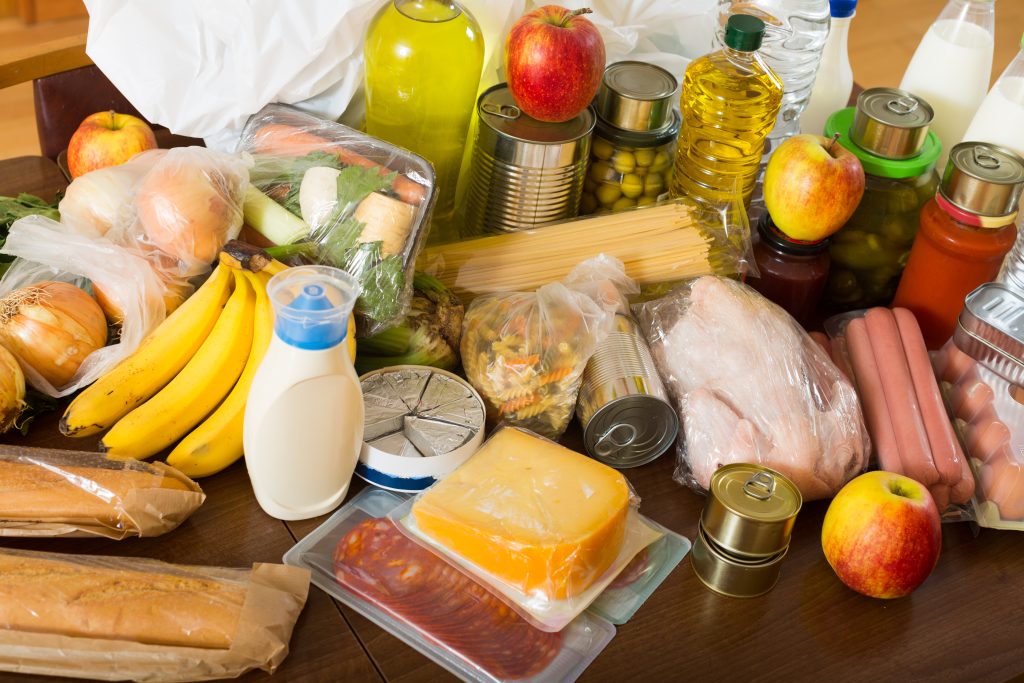
Food does not rot because you are a bad cook. It spoils due to a few common patterns:
- You buy more than you can realistically cook in a week.
- You do not have clear meals in mind, only a vague idea to “eat better.”
- Fragile items get pushed to the back of the fridge and vanish from your memory.
Real life also interrupts the best plans:
- Overtime at work.
- Last minute social plans.
- Days when you are simply too drained to cook.
Without backup meals built around cheap food and without a system for how to store produce, good groceries sit until they pass the point of no return.
How Guilt And “All Or Nothing” Thinking Make It Worse
You might recognize thoughts like:
- “If I cannot cook every day, I might as well not try.”
- “I wasted food again, so I am terrible with money and health.”
This all or nothing mindset makes small setbacks feel like total failure. Guilt grows, and that guilt makes it harder to try again.
A kinder view looks like this:
- One spoiled bag of greens does not erase all your effort.
- You are learning how to reduce food waste, just like learning any other skill.
- Even one less container thrown away is progress.
Small, steady changes are more powerful than dramatic plans that you can only keep for a week.
The Magic Trio: Plan, Store, Transform
You do not need a strict meal prep routine to improve your kitchen. You only need three simple pillars:
- Plan
- Light, flexible weekly meal plan ideas that tell your cheap food and fresh ingredients what they are for.
- Light, flexible weekly meal plan ideas that tell your cheap food and fresh ingredients what they are for.
- Store
- A few practical rules on how to store produce so it stays fresh and visible.
- A few practical rules on how to store produce so it stays fresh and visible.
- Transform
- Quick recipes that turn “almost bad” food into soups, stir fries, and snacks so it gets eaten, not wasted.
- Quick recipes that turn “almost bad” food into soups, stir fries, and snacks so it gets eaten, not wasted.
When you plan a bit, store well, and know how to transform older food, your fridge turns from a guilt trap into a support system.
Cheap Food That Is Still Healthy: Build An “Everyday Budget Pantry”
Core Cheap Food Staples That Stretch Your Fresh Produce
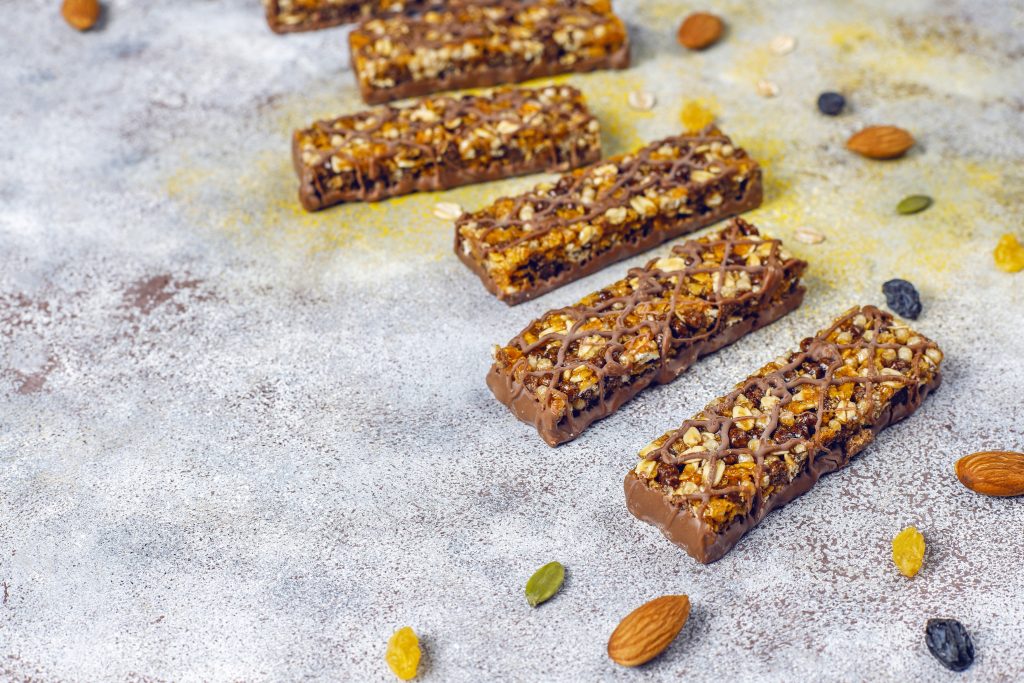
Healthy eating does not require expensive superfoods. You can build strong, affordable meals around simple cheap food staples:
- Grains: rice, oats, pasta, whole grain noodles
- Proteins: eggs, tofu, canned beans, lentils, frozen chicken pieces
- Veg backups: frozen mixed vegetables, frozen spinach, corn
- Basics: onions, garlic, potatoes, carrots
- Flavor helpers: soy sauce, vinegar, oil, salt, pepper, dried herbs and spices
These foods are:
- Budget friendly and easy to store
- Flexible enough for many recipes
- Perfect for eating healthy on budget when you pair them with smaller amounts of fresh produce
Eating Healthy On Budget With Simple Meal Formulas
Instead of chasing new recipes every day, use simple meal formulas and plug in whatever you have on hand. This keeps cheap food interesting without stress.
Formula 1: Grain + Protein + Veg + Sauce
- Base: rice, noodles, quinoa, or pasta
- Protein: egg, tofu, beans, or chicken
- Veg: any mix of fresh or frozen vegetables
- Sauce: soy sauce, tomato sauce, curry paste, or simple oil and garlic
Example:
Brown rice + tofu + broccoli and carrot + garlic soy sauce = fast stir fry.
Formula 2: One Pot Soup Or Stew
- Combine lentils or beans with carrots, onions, garlic, and greens.
- Add water or stock and simmer with herbs.
Example:
Lentil soup with carrots, onion, garlic, spinach, and a stock cube.
Formula 3: “Leftover Bowls”
- Base: leftover rice, noodles, or grains.
- Add any leftover cooked veg or protein.
- Top with an egg, seeds, or a simple dressing.
These formulas make eating healthy on budget easier because they do not depend on exact recipes. They turn cheap food into satisfying meals with minimal planning.
Pairing Cheap Food With Fresh Food So Nothing Wastes
Think of pantry staples as the main support and fresh produce as the star that rotates.
You can:
- Stir a handful of spinach into egg fried rice.
- Turn a small amount of roast chicken into a big pot of porridge or noodle soup.
- Add half a bell pepper to a stir fry and use the rest in pasta the next day.
When most of the bulk comes from cheap food and you layer fresh items on top, your groceries last longer and you reduce food waste without feeling deprived.
Smart Grocery Shopping Tips So You Stop Overbuying
Shop With A Plan, Not Just Good Intentions
Going to the store with the thought “I should buy healthy stuff” often leads to too much food and no clear plan.
Turn that into action with these smart grocery shopping tips:
- Check your fridge and pantry before you shop.
- Decide on three to five meals you can actually cook this week.
- Write a short list: grains, proteins, vegetables, and any missing seasonings.
Your list becomes your guide, not your mood or hunger level. You can still buy one or two fun items, but most of your cart will support your weekly meal plan ideas.
Buy Less More Often If You Can
If your schedule allows it, buying less fresh produce more often is a simple way to reduce food waste.
- Do one larger shop for pantry cheap food and dry items.
- Do one or two smaller top up trips for fresh fruit and vegetables.
If you can only shop once a week:
- Choose fewer types of vegetables, in smaller amounts.
- Build your meals around ingredients that can appear in more than one dish.
When you see a big promotion, pause and ask:
“Will I truly use all of this before it spoils?”
If not, the “deal” will cost you more in waste. Smart grocery shopping tips mean balancing price with real usage.
Choose Versatile Ingredients For Cheap Food Magic
Some ingredients work in almost anything. These are ideal when you rely on cheap food and want less waste:
- Vegetables like onions, carrots, cabbage, and leafy greens fit into soups, stir fries, fried rice, and noodle dishes.
- Proteins like eggs, tofu, and chicken are flexible and cook quickly.
- Aromatics like garlic, ginger, and spring onions can turn very simple cheap food into something rich and comforting.
When most of your basket is versatile, it is easier to mix and match meals. You are less likely to end up with one special ingredient that you never use.
How To Store Produce So It Lasts Longer (Without Complicated Systems)
General Rules For How To Store Produce
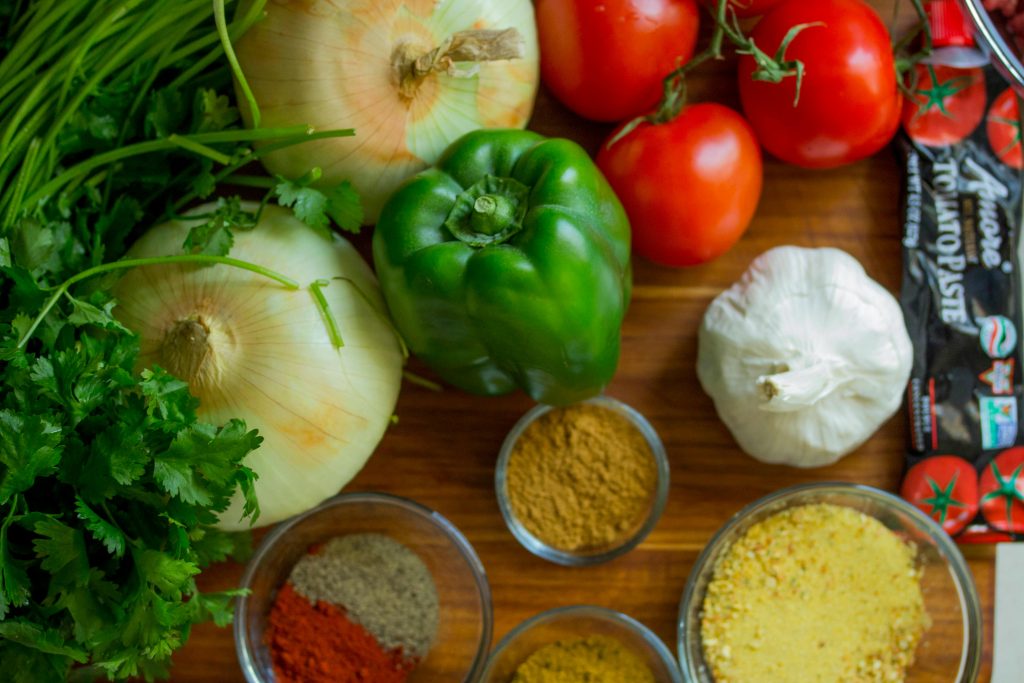
You do not need fancy containers or a perfectly organized fridge. A few basic rules for how to store produce can extend the life of your groceries.
- Keep most vegetables in the crisper drawer in bags or containers that allow some airflow.
- Store potatoes, onions, and garlic in a cool, dark place outside the fridge.
- When possible, store fruit away from vegetables, since some fruits speed up ripening.
When you come home:
- Remove damaged leaves or packaging that traps moisture.
- Put the most fragile food in front so you see it easily.
These small steps already make a difference in how to store produce and keep it fresh longer.
How To Store Leafy Greens, Herbs, And “Delicate” Veggies
Leafy greens and herbs are often the first things to spoil, so they deserve extra attention.
- If you wash them, dry them very well. Too much water makes them rot faster.
- Wrap them in a clean, dry towel or paper towel.
- Place them in a container or bag with a little space for air.
For herbs:
- You can treat them like flowers. Trim the ends and stand them in a jar of water in the fridge.
- Or wrap them like greens and store them in a container.
For berries and very soft vegetables:
- Keep them near the front and plan to use them in the first two or three days.
Learning how to store produce like this will already reduce food waste and save money.
Freezer To The Rescue: How To Reduce Food Waste With A “Pause Button”
Your freezer is one of the best tools for how to reduce food waste. Think of it as a pause button for food you cannot use in time.
You can freeze:
- Chopped onions, peppers, and extra greens for future soups and stir fries.
- Overripe bananas for smoothies or baking.
- Cooked rice, beans, soups, and curries in small portions.
Tips:
- Label containers with the name and date.
- Freeze in single or double portions so you can defrost only what you need.
This simple habit turns “I will probably throw this away” into “I have a ready cheap food meal waiting for me next week.”
Weekly Meal Plan Ideas To Use Up What You Buy
The “First To Spoil, First To Use” Plan
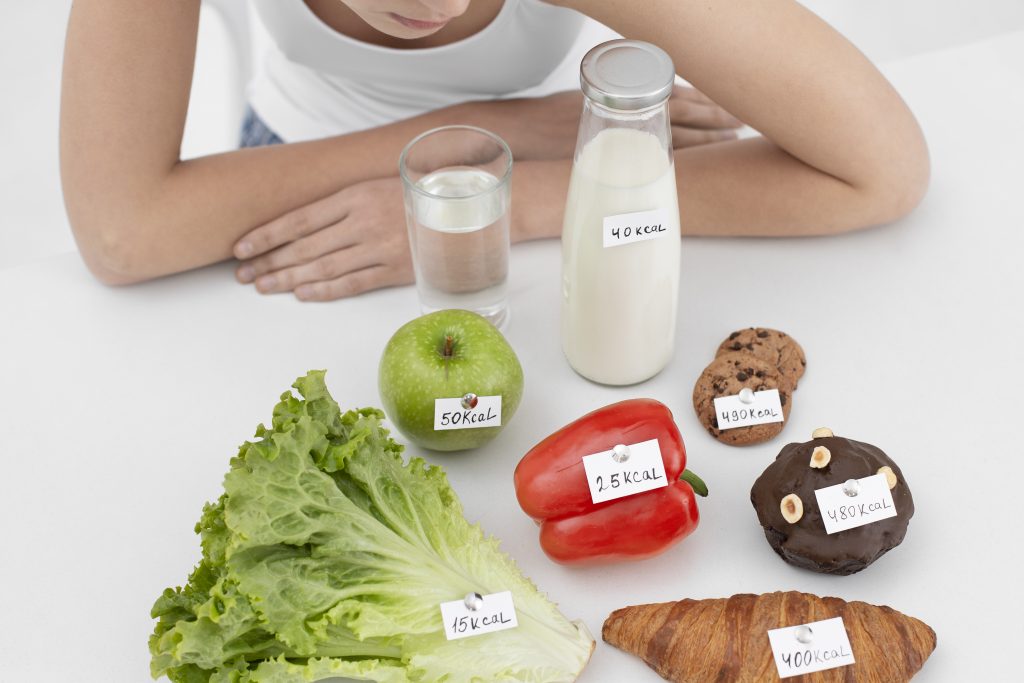
Complex meal plans are hard to follow. Instead, build your week around one simple rule and a few easy weekly meal plan ideas.
Rule: The foods that spoil fastest get used first.
Early in the week, cook with:
- Salad leaves
- Herbs
- Berries
- Soft tomatoes or mushrooms
Later in the week, rely on:
- Carrots
- Cabbage
- Potatoes
- Frozen vegetables
This “first to spoil, first to use” pattern keeps the most delicate foods moving out of the fridge before they become waste.
Simple Weekly Meal Plan Ideas Using Cheap Food Staples
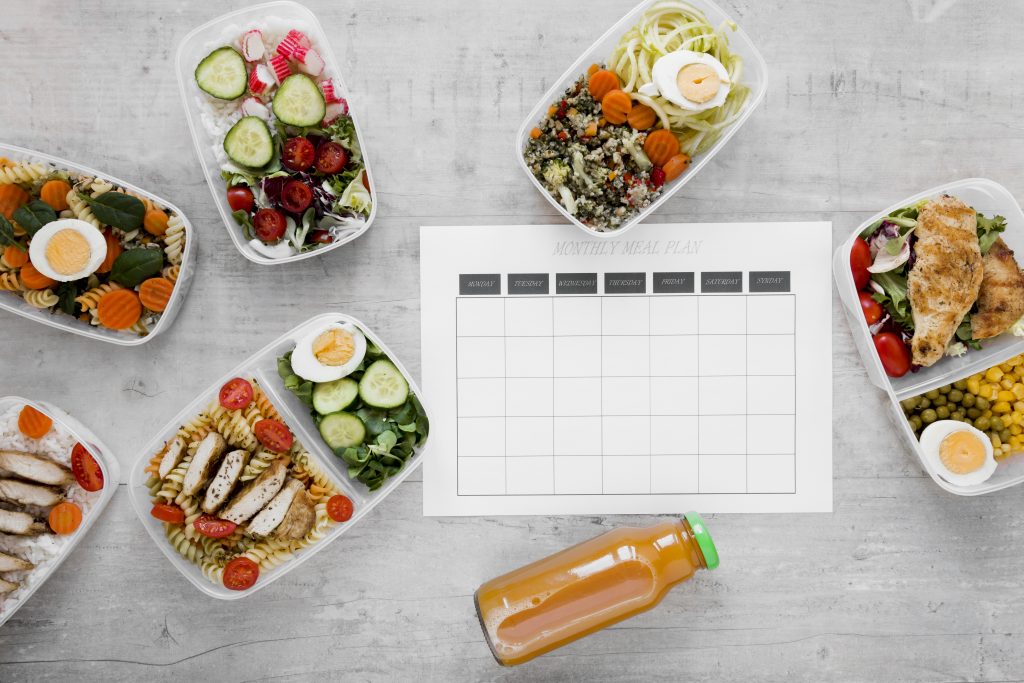
Here is one example using cheap food staples plus a few fresh items:
- Day 1: Stir Fry With Rice
- Rice, tofu or egg, soft vegetables, and leafy greens.
- Rice, tofu or egg, soft vegetables, and leafy greens.
- Day 2: Lentil Or Bean Soup
- Lentils, carrots, onions, garlic, leftover greens.
- Lentils, carrots, onions, garlic, leftover greens.
- Day 3: Noodles With Veg And Egg
- Noodles, egg, mixed fresh and frozen vegetables.
- Noodles, egg, mixed fresh and frozen vegetables.
- Day 4: Leftover Bowls Or Wraps
- Any leftover soup, rice, and veg in bowls or wraps.
- Any leftover soup, rice, and veg in bowls or wraps.
- Day 5: “Clear The Fridge” Meal
- Fried rice, omelette, or tray bake using every small leftover piece.
- Fried rice, omelette, or tray bake using every small leftover piece.
You can swap days, repeat meals, or adjust for your taste. The point is not perfection. The point is using what you already paid for.
One Shopping List, Many Meals
With a short list like this:
- Rice or noodles
- Eggs
- Tofu or chicken
- Onions and garlic
- Carrots, one type of green veg, one extra veg (such as capsicum or mushrooms)
- Frozen mixed vegetables
You can build:
- Stir fries
- Soups and stews
- Fried rice
- Noodle bowls
- Omelettes and frittatas
This shows how a few cheap food staples plus a small amount of fresh produce can support many weekly meal plan ideas, without a stuffed fridge or constant waste.
Turn “Almost Bad” Food Into Easy, Cheap Meals
Fast Recipes For Veg That Are Getting Soft
Slightly soft vegetables often look sad but are still safe to eat. They are perfect for:
- Stir fries: cut away bad spots, slice, and cook quickly with garlic and soy sauce.
- Soups and stews: simmer with beans or lentils, stock, and herbs.
- Roasted trays: toss with oil, salt, pepper, and roast until golden.
These recipes do not require perfect, crisp vegetables, which makes them ideal for using up food before it crosses the line and becomes waste.
Sweet Ideas For Overripe Fruit
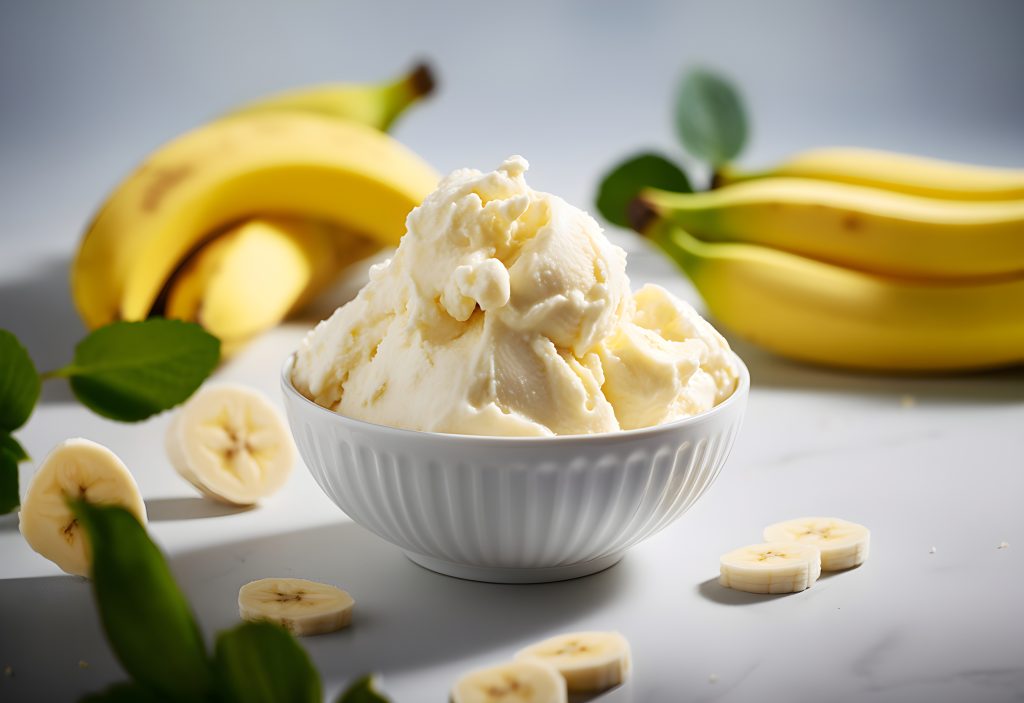
Overripe fruit is not a failure. It is ready for dessert.
Use it in:
- Smoothies with milk or yogurt.
- Banana pancakes or muffins.
- Simple fruit compote cooked with a little water and sugar to spoon over oats or yogurt.
These small ideas support eating healthy on budget, give you sweet treats, and help reduce food waste at the same time.
Use Your Freezer As A “Pause Button”
When you notice food you will not use soon, pause and ask:
“Can I freeze this now and enjoy it later?”
Often the answer is yes. Freeze:
- Cooked beans, rice, and sauces.
- Extra soup or curry in single portions.
- Mixed chopped vegetables for quick fried rice or noodle dishes.
Future you will be very happy to find a ready cheap food meal on a busy night.
Gentle Mindset Shifts So You Stop Feeling Guilty Around Food
Progress, Not Perfection
You will still throw away some food from time to time. That does not mean you failed.
Look for signs of progress:
- Fewer forgotten items at the back of the fridge.
- More meals cooked with cheap food and fresh ingredients.
- Less last minute spending on delivery.
Every improvement is a step forward in learning how to reduce food waste and care for your budget and health.
See Your Kitchen As A Practice Space, Not A Test
Your kitchen is not a place where you pass or fail. It is a practice space.
Here you:
- Try new weekly meal plan ideas.
- Learn which foods you truly enjoy.
- Discover which cheap food staples work best for you.
Some weeks will be smooth. Others will be messy. That is normal and okay.
Connect Saving Food To Saving Money And Energy
Every time you save food, you also:
- Save the money you already spent on groceries.
- Save time deciding what to eat at the last minute.
- Save energy by having simple meals ready to go.
When you see that cheap food, smart grocery shopping tips, and better storage habits all support your peace of mind, it becomes much easier to continue.
Eat Well Without Overspending
So, can you really eat healthy on a budget, keep your food fresh longer, and stop wasting groceries? Absolutely. But knowing how to shop smart, store produce the right way, and plan simple meals is what helps you stretch your money while nourishing your body.
Think of healthy eating not as something expensive or complicated, but as a daily habit that supports your energy, digestion, and peace of mind. And when eating well on a budget feels confusing or overwhelming, our tribe is here to guide you step by step.
✅ Take Action Now
Healthy Eating on a Budget Is Possible
Eating healthy on a budget can feel frustrating, but it is not impossible. By understanding how to choose affordable whole foods, store produce the right way, and plan simple meals, you can eat well without overspending. Small changes, like buying seasonal produce, storing fruits and vegetables properly, or using leftovers creatively, can make a big difference.
If you still feel overwhelmed or unsure where to start, do not ignore it. Getting personal guidance can help you build habits that save money while supporting your health long term. This is your chance to book your FREE 30-Minute Zoom Clarity Session with me. This is your chance to get personal guidance to keep your momentum going.
Say Goodbye to Expensive, Wasteful Eating
Still struggling to eat healthy while sticking to a budget, only to watch food go to waste? You do not have to figure it out alone.
👉 Join our 7-Day Energy Booster Program and discover simple budget friendly food habits, smart produce storage tips, and daily guidance to help you eat well without overspending.
In just one week, you will:
- Learn how to eat healthy on a budget without sacrificing nutrition
- Store fruits and vegetables the right way so they last longer
- Reduce food waste and stretch your groceries further
- Build simple meal habits that support energy and wellness
Start today. Eating well, saving money, and wasting less food can begin in just 7 days.
Frequently Asked Question
1) How can I eat healthy on budget without wasting food?
Start with cheap food staples like rice, oats, beans, eggs, and frozen vegetables. Add a small amount of fresh produce that you are sure you can finish in one week. Plan a few simple meals, freeze leftovers, and have one “clear the fridge” meal each week. This keeps you eating healthy on budget while you reduce food waste.
2) What are the best smart grocery shopping tips to stop overbuying?
Before shopping, check what is already in your fridge and pantry. Write a short list based on three to five planned meals instead of random ideas. Choose versatile ingredients that can be used in different dishes, and avoid buying large packs of fresh food unless you know exactly how you will use them. These smart grocery shopping tips make it easier to buy less and use more.
3) How to reduce food waste if I often forget what I bought?
Keep the most fragile items at eye level and follow the rule “first to spoil, first to use.” Plan one weekly meal that uses small leftover bits, such as fried rice, soup, or omelette. You can also freeze food you cannot use in time. These simple habits make how to reduce food waste much more manageable.
4) How to store produce so it stays fresh longer?
Put most vegetables in the crisper drawer in containers or bags that allow some airflow. Store potatoes, onions, and garlic in a cool, dark place outside the fridge. Wrap leafy greens and herbs in a dry towel inside a container, and freeze chopped vegetables or fruit that you will not use soon. Learning how to store produce this way adds days to your groceries and protects your budget.
5) What are easy weekly meal plan ideas that help use up what I buy?
Use themes instead of strict menus. For example: stir fry night, soup night, noodle night, leftover bowl night, and “clear the fridge” night. Build these meals around cheap food staples and add whatever vegetables and proteins you already have. Weekly meal plan ideas like this give every ingredient a job and cut down on waste.

