
Introduction
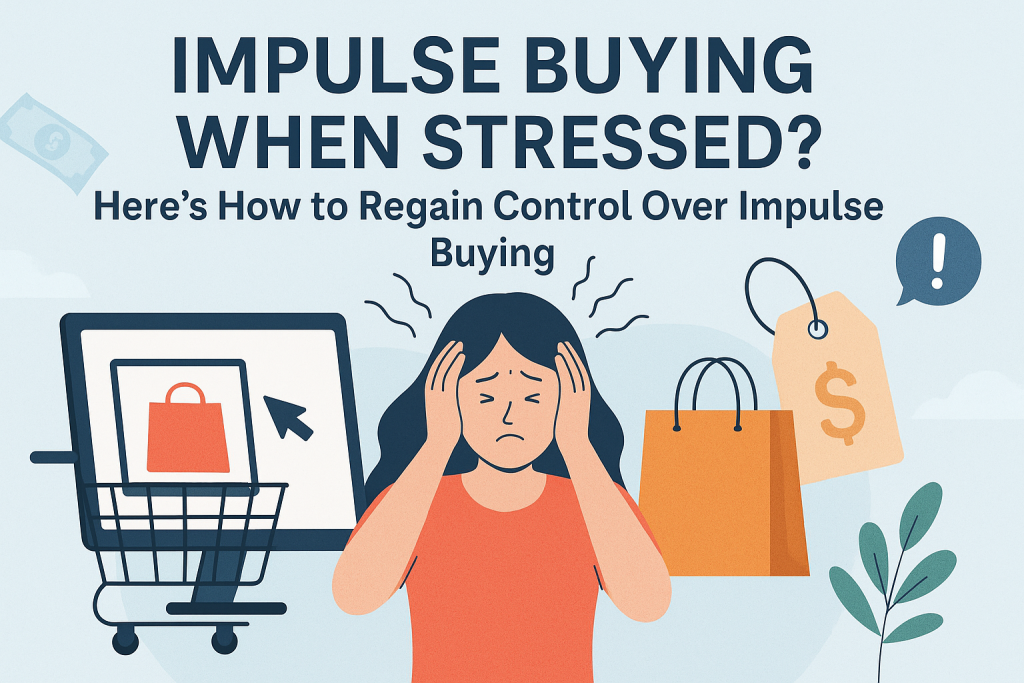
Have you ever noticed that when you feel stressed, your first reaction is shopping? You scroll, you click, and before you know it, you have made another impulse buying decision. For a short moment, it feels good. Then reality hits. The guilt. The tighter budget. The familiar buy now regret later feeling.
Impulse buying happens to many people, especially when emotions are high. Stress weakens self control with money and pushes people toward emotional spending. If you often struggle with impulse buying, this guide will show you how to stop impulse buying in a simple, realistic way. You will learn to rebuild self control with money and break the impulse buying cycle that keeps you stuck.
What Impulse Buying Really Is And Why Stress Makes Impulse Buying Worse

The emotional brain vs the logical brain in impulse buying decisions
When stress takes over, the emotional brain leads. Instead of thinking clearly, it searches for comfort. This is where impulse buying starts. In moments like this, impulse buying feels like relief, even if the purchase is not needed.
Impulse buying often feels urgent. Logical thinking fades. You stop asking if the item fits your budget or your real needs. This is why impulse buying feels automatic during stressful times.
Why stress lowers self control with money and increases impulse buying
Stress drains focus and energy. When you feel tired or overwhelmed, self control with money drops. This makes it easier for impulse buying to happen without resistance. The more stress you carry, the more likely impulse buying becomes your escape.
How emotional relief fuels repeated impulse buying patterns
Impulse buying gives short-term comfort. Your brain releases feel-good chemicals, which makes the purchase feel rewarding. But when the stress returns, so does the urge for more impulse buying. Over time, this habit becomes a regular cycle.
Suggested visual: Cycle chart showing stress, impulse buying, short relief, regret, and stress again.
Buy Now Regret Later Understanding the Impulse Buying Stress Cycle

How instant relief drives impulse buying behaviour
Impulse buying happens fast because the mind focuses on comfort now instead of future consequences. This leads to buy now regret later results. Once calm returns, the regret becomes clear.
Common triggers that cause impulse buying when stressed
Triggers that increase impulse buying include:
- Work pressure
- Emotional exhaustion
- Boredom
- Feeling unappreciated
- Comparison on social media
Knowing these triggers helps you control impulse buying before it happens.
Why impulse buying leads to guilt and financial strain
After an impulse buying session, many people feel anxious and disappointed. The item did not solve the stress. Instead, impulse buying creates tighter budgets and emotional pressure.
Suggested visual: Person looking worried while checking online purchases and bank balance.
How to Stop Impulse Buying When You Feel Overwhelmed

The 24-hour pause rule to stop impulse buying
One proven way to learn how to stop impulse buying is delaying the purchase. Wait 24 hours before completing any non-essential transaction. Most impulse buying urges fade with time.
Ask yourself:
- Is this impulse buying or a real need?
- Will I still want this tomorrow?
- Am I buying because I feel stressed?
These questions interrupt automatic impulse buying.
Understanding emotional vs logical impulse buying signals
Emotional impulse buying feels rushed, urgent, and dramatic. Logical buying feels calm and planned. Learning the difference helps you regain self control with money.
Rebuilding Self Control With Money to Reduce Impulse Buying

Daily habits that support self control with money
Checking spending regularly builds awareness. Track impulse buying patterns and review your expenses daily to strengthen self control with money.
Creating kind but firm boundaries for impulse buying
Instead of banning all spending, set limits such as weekly fun budgets or monthly online shopping limits. These boundaries reduce impulse buying without pressure.
Building a personal pause system before impulse buying
Use a simple rule like: if it is not essential, wait one night. This habit slowly weakens the impulse buying response.
Smart Alternatives That Replace Impulse Buying

Healthier ways to cope instead of impulse buying
When you feel the urge for impulse buying, try:
- Walking
- Breathing slowly
- Journaling emotions
- Stretching the body
These actions meet emotional needs without harming your budget.
Emotional tools that reduce impulse buying risks
Naming emotions reduces pressure. Saying I feel stressed or overwhelmed lowers the intensity that leads to impulse buying.
Comfort without impulse buying
Comfort can come from simple moments like tea, music, rest, or talking to someone you trust. None of these require impulse buying.
Long-Term Strategies to End Impulse Buying for Good
Budget systems that support healthy impulse buying control
Choose systems that feel gentle and realistic. A supportive budget makes impulse buying easier to manage.
Tracking impulse buying patterns for awareness
Write down each impulse buying moment and note your feelings. Over time, clear patterns appear.
Turning mindful spending into a lifelong habit
Mindful spending reduces impulse buying and builds confidence. It creates calm around your money and choices.
Take Back Control From Stress Spending
Impulse buying does not mean you lack discipline. It often means you are emotionally overloaded. The good news is impulse buying can be managed with awareness and structure.
By understanding how to stop impulse buying, recognising emotional triggers, and strengthening self control with money, you break free from the buy now regret later cycle.
Pause. Breathe. Choose clarity instead of impulse buying.
Get your free guide now: The Stress Spending Reset Plan and begin your journey toward calm, confident, and intentional money habits.
✅ Take Action Now
Regain Control Over Impulse Buying and Stress
Impulse buying can feel embarrassing and stressful, but it is not permanent. By learning what triggers emotional spending, managing stress in healthier ways, and building simple grounding habits, you can start to regain control. Small changes like pausing before a purchase, creating a calm environment, or using a quick breathing technique can make a big difference in your choices.
If your impulse buying continues, do not ignore the signs. There may be hidden triggers like work pressure, emotional fatigue, or daily habits that drain your mental energy. When you understand the real cause, you can break the cycle with confidence.
This is your chance to book your FREE 30 Minute Zoom Clarity Session with me.
This is your chance to get personal guidance to keep your momentum going.
Say Goodbye to Stress Spending
Still struggling with impulse buying every time you feel stressed or overwhelmed? You do not have to figure it out alone.
👉 Join our 7 Day Energy Booster Program and learn simple mind body habits that help you stay calm, clear, and in control. This program teaches you how to manage stress in a healthier way so you do not turn to shopping for comfort.
In just one week, you will:
• Understand the real triggers behind impulse buying
• Try natural stress relief techniques to calm your mind
• Break the cycle of emotional spending
• Build daily habits that support focus, confidence, and self control
Start today. Your clearer mind and stronger control over your money are only 7 days away.
Frequently Asked Question
1) What is impulse buying and why does it happen when stressed?
Impulse buying happens when emotions take control and stress weakens logical thinking. The brain seeks fast comfort, leading to repeated impulse buying habits.
2) How to stop impulse buying quickly?
To learn how to stop impulse buying, use the 24-hour rule, remove saved cards, and pause before every purchase to check emotional triggers.
3) Why do I experience buy now regret later?
The buy now regret later cycle happens when impulse buying is driven by emotional comfort instead of real needs.
4) How do I improve self control with money?
You improve self control with money by setting clear limits, tracking impulse buying, and replacing emotional spending with healthier habits.

