
Introduction
You open LinkedIn and see another post.
Someone your age just got promoted.
Someone else just moved to a higher paying job.
You feel happy for them, but inside it hurts.
You work hard. You stay late when needed. Yet your job performance still feels invisible. Your friends and coworkers seem to move up while you stay in the same role with the same pay.
If this sounds like you, you are not alone. Most people were never taught how job performance, how to stand out, and how to get promoted really work in the real world. They only learned how to do tasks and follow instructions.
This guide will show you simple, real world habits that:
- Make your job performance more visible
- Help you stand out without burning out
- Support long term personal growth in career
Help you improve time management skills so you stop feeling behind
Always Feeling Behind At Work? Why Job Performance Is Not Just About You

When you feel behind, you might think things like:
- “I am not smart enough.”
- “I chose the wrong job.”
- “Everyone else is doing better than me.”
In many cases, the problem is not your talent. The problem is that no one showed you the rules of job performance.
Most people never learn:
- What managers really look for in job performance
- How to share their wins without sounding like they brag
- How to plan real personal growth in career
So they reply to emails, attend meetings, close tickets, and hope someone notices. Meanwhile, other people use simple habits that make them easy to promote.
The good news is that these job performance habits are learnable. You do not need to change who you are. You just need a clearer plan and a few new skills that you apply week after week.
What Job Performance Really Means In Today’s Workplace
The Three Dimensions Of Job Performance Managers Actually Notice
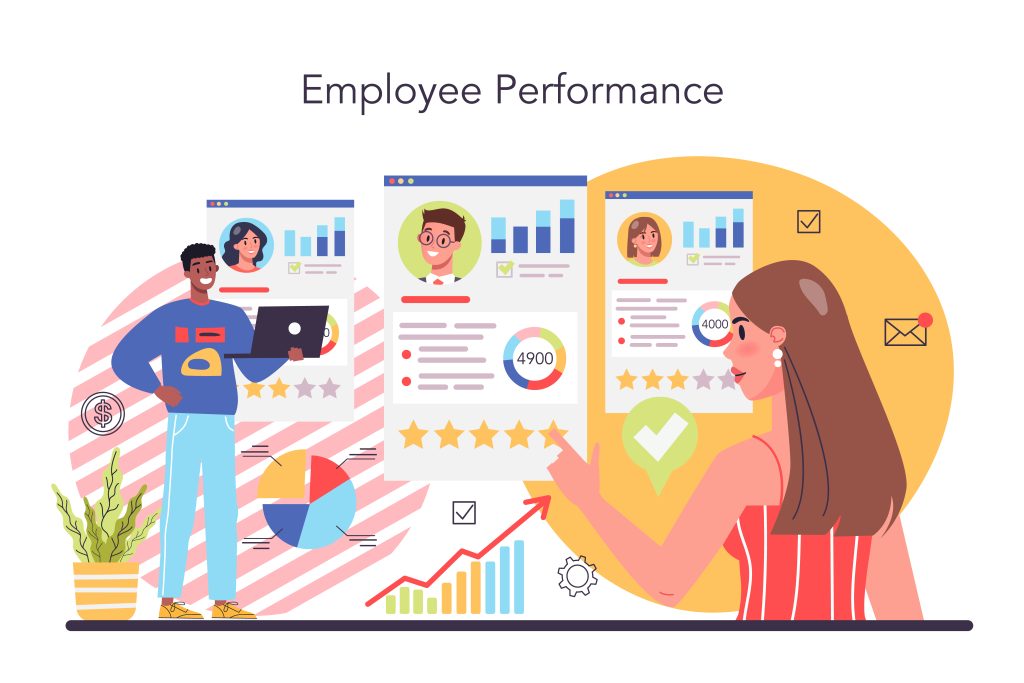
Managers do not only look at how busy you are. They usually care about three big parts of job performance:
- Results
- Do you finish your work
- Does your work create real value for the team, customers, or company
- Do you finish your work
- Relationships
- Are you easy to work with
- Do you communicate clearly and respectfully
- Are you easy to work with
- Reliability
- Do you keep your promises
- Do you take ownership when something goes wrong
- Do you keep your promises
Strong job performance means you are solid in all three areas, not just one. You deliver results, people like working with you, and your manager can trust you.
Why Working Harder Does Not Guarantee Better Job Performance
Many people try to fix their career by working more hours. They reply to messages late at night and say yes to every task.
But more hours do not always mean better job performance. Managers care more about:
- Are you working on the right tasks
- Is your work high quality and accurate
- Can they trust you with bigger responsibilities
If you spend most of your time on low value work, you may stay busy but still look average. People who move up learn how to:
- Choose high impact tasks
- Focus on outcomes, not just activity
- Use their time wisely and improve time management skills
This is how they grow their job performance in a smart way.
Signals That Show You Are Ready To Move Up
When managers think about how to get promoted, they look for signs that you are already acting at the next level. For example:
- You solve problems instead of only reporting them
- You suggest simple, useful improvements, not just follow orders
- You understand how your work affects the team and customers
- You reduce your manager’s stress instead of adding to it
When your job performance already looks like the next level, it becomes much easier for them to say yes when you ask how to get promoted.
Daily Job Performance Habits That Help You Stand Out

Become The Go To Person For Specific Problems
One of the best ways to stand out at work is to be known for something specific. You do not need to be great at everything. Just pick one or two areas.
Examples:
- Operations: the person who fixes broken processes
- Sales: the person who turns cold leads into warm opportunities
- Marketing: the person who understands email campaigns or analytics
- Admin: the person who keeps everything organized and running smoothly
Then:
- Learn a bit more about that area each week
- Take on tasks that use this strength
- Share simple tips or ideas with your team
Soon people start saying, “Ask them, they are really good at that.” That is how to stand out in a practical, simple way.
Communicate Your Wins Without Bragging
Your manager cannot see every detail of your job performance. Some of your best work is invisible unless you share it.
You can show your job performance without bragging by using short, clear updates. For example, once a week send a quick message or email:
- “Here are my top 3 wins this week.”
- “Here is the status of my main projects.”
Use a simple format:
- Goal: What you wanted to achieve
- Action: What you did
- Result: What happened
Example:
- Goal: Reduce customer waiting time
- Action: Created a new reply template and shared it with the team
- Result: Average reply time dropped from 24 hours to 10 hours
This makes your job performance visible, and gives your manager real examples to use in reviews and promotion talks.
Show Initiative In Small But Visible Ways
You do not need huge, dramatic actions to show initiative. Small steps count a lot:
- Notice a recurring problem and suggest a simple fix
- Offer to document a confusing process so others can follow it
- Take responsibility for a small part of a project and make sure it goes well
These actions say, “I care about the team and I want to make things better.” Managers remember people who take initiative. It becomes part of how they see your job performance.
How To Get Promoted When You Feel Stuck

Get Clear On What Promotion Looks Like In Your Company
Many people guess what they need to do to get promoted. Guessing leads to stress and confusion.
Instead, talk to your manager. You can say something like:
- “What does success look like at the next level”
- “What skills or behaviors do I need to show to be considered for promotion”
- “If I do my part, what might be a realistic timeline for promotion”
Their answers give you a clear picture of how to get promoted in your current company. That clarity makes your job performance more focused and purposeful.
Create A Simple Promotion Roadmap
Once you know what is expected, turn it into a plan you can follow.
Try this:
- Choose 3 focus areas, for example:
- Leading small projects
- Clearer communication
- Stronger technical or role specific skills
- Leading small projects
- For each area, choose 2 or 3 actions for the next 90 days.
Example:
- Focus: Communication
- Share weekly updates with key people
- Speak at least once in each team meeting
- Ask for feedback on one email or presentation
- Share weekly updates with key people
This turns personal growth in career into simple steps that support your job performance and promotion goals.
Use Feedback As Free Coaching For Job Performance
Feedback can feel uncomfortable, but it is one of the fastest ways to improve job performance.
After you complete a task or project, you can ask:
- “What is one thing I did well”
- “What is one thing I could improve next time”
Write down the answers. Pick one improvement to focus on in your next project.
Later, you can tell your manager, “Last time you mentioned X. Here is what I changed this time.” This shows that you listen, grow, and think like someone who is serious about job performance and promotion.
Improve Time Management Skills So You Stop Feeling Behind
Why Weak Time Management Hurts Job Performance
You can be very skilled and still feel like you are drowning if your time is out of control. Poor time use can:
- Make you miss deadlines
- Create constant stress and rushing
- Leave no space for deep work or learning
When you improve time management skills, you give your job performance room to grow. You become more calm and more effective.
A Simple Time System You Can Actually Maintain
You do not need a fancy app to improve time management skills. Here is a basic system that works for many people:
- Daily Top 3
- Each morning, choose the 3 most important tasks for your job performance
- These tasks should move big projects forward, not just clear your inbox
- Each morning, choose the 3 most important tasks for your job performance
- Time Blocking
- Block out 1 or 2 chunks of time for deep work
- During these blocks, close email and chat if you can
- Block out 1 or 2 chunks of time for deep work
- Daily Review
- At the end of the day, ask:
- What did I finish
- What slowed me down
- What will I change tomorrow
- What did I finish
- At the end of the day, ask:
Use this system for a week and you will already feel more in control and less behind.
Cut Low Value Work Without Damaging Your Reputation
Not all work is equal. Some tasks keep you busy, but do very little for your job performance or promotion goals.
You can manage this wisely by:
- Grouping small tasks into one time block instead of letting them break your focus
- Asking, “What is the real deadline for this” before rushing
- Saying, “I can do it by Friday unless X is more urgent. Which is more important”
You remain helpful and professional, but you also protect time for work that helps you stand out and move up.
Personal Growth In Career: Skills That Pay Off For Years

Identify High Value Skills For Your Next Level
Some skills help you again and again in your working life. These are worth your time and attention.
High value core skills include:
- Clear communication, written and spoken
- Problem solving and critical thinking
- Basic data or analytical skills
- Project ownership and follow through
Then add role specific skills that support your job performance, such as:
- Key tools or software in your field
- Industry knowledge
- Client or customer skills
Ask yourself: “If I was promoted tomorrow, what skills would I need more of” and let that guide your learning. That is smart personal growth in career.
Build A Weekly Learning Habit That Fits Your Schedule
You do not need hours each day. You just need a small, consistent habit. For example:
- Two or three times a week, spend 20 to 30 minutes learning
- Use short videos, online courses, internal training, podcasts, or books
- Each week, pick one idea and apply it at work
Over time, this simple habit grows your job performance and confidence. It shows your manager that you are serious about personal growth in career.
Track Your Progress So You Can Share Your Job Performance
Many people forget their wins. Then they sit in a review and cannot remember what they did all year.
Instead, keep a simple document where you record:
- Projects you completed
- Results you achieved
- Positive feedback you received
- Skills you practiced or improved
This becomes your personal record of job performance. It makes review meetings and promotion talks much smoother because you have real examples ready.
Mindset Shifts To Stop Comparing Yourself To Your Peers

Why Comparison Feels Natural But Slows Your Growth
It is easy to compare your job performance and salary to your friends. Social media shows quick wins, promotions, and success stories. You rarely see the failures, stress, or long journey behind those posts.
Constant comparison can make you feel:
- Behind
- Discouraged
- Stuck and powerless
This does not help you improve job performance. It just drains your energy.
Focus On Metrics You Can Control
You cannot control who your friend’s boss is or what offer they receive. You can control what you do this week.
Try tracking things like:
- Hours of deep work you complete
- Number of high impact tasks you finish
- Skills you practice and apply
- People you help or problems you solve
These metrics are tied directly to stronger job performance and real progress, no matter what other people are doing.
Build An Identity Around Growth, Not Just Job Titles
Instead of thinking, “I am only my job title,” try a new identity:
- “I am someone who improves a little each week.”
- “I am someone who takes responsibility for my job performance.”
- “I am someone who learns and adapts when things change.”
When you see yourself this way, you feel stronger inside even before your title changes. This mindset supports your personal growth in career and makes it easier to ask for feedback, share ideas, and seek promotion.
30 Day Action Plan To Upgrade Your Job Performance

30 Day Action Plan To Upgrade Your Job Performance
Week 1: Clarity And Baseline
-
List your main tasks and hidden responsibilities
-
Ask your manager: “What does strong job performance look like for my role”
-
Choose one area where you want to stand out
Week 2: Time And Focus
-
Start using your Daily Top 3
-
Add at least one deep work block each day
-
Notice and reduce time wasted on low value tasks
Week 3: Visibility And Communication
-
Send one weekly “wins and progress” update
-
Speak up once in each team meeting with a question, idea, or update
-
Ask for feedback on one project and write down what you learn
Week 4: Growth And Next Steps
-
Choose one key skill for personal growth in career
-
Schedule two or three short learning sessions
-
Book a career conversation with your manager about how to get promoted in the next 6 to 12 months
You do not have to complete this plan perfectly. Even if you do most of it, your job performance and confidence will improve.
Small Job Performance Habits Can Change Your Whole Career
Feeling behind at work can be painful. It can make you question your choices and your value. But being behind is not a fixed label. It is just your starting point today.
You have seen how much job performance depends on habits:
- Choosing high impact work instead of only staying busy
- Sharing your wins so your value is visible
- Taking concrete steps to improve time management skills
- Investing in personal growth in career in small, steady ways
- Learning how to stand out through results, relationships, and reliability
- Getting clear on how to get promoted instead of waiting and hoping
You do not need to change everything at once. Just pick one small action from this guide and start today. Maybe it is a daily top 3 list. Maybe it is a weekly update to your manager. Maybe it is a 90 day growth plan that matches how to get promoted in your company.
Start small. Stay consistent. Over the next few months, you will notice a shift in how you feel about your job performance. Soon, other people will start to notice it too. That is how you move from feeling behind to truly standing out and moving up.
✅ Take Action Now
Feeling Behind At Work? You Can Turn It Around
Feeling behind at work can be discouraging, but it is not permanent. By understanding what lowers your focus, addressing stress, and building small daily habits, you can start to show real progress. Simple changes like improving your workspace, using short breaks to reset, or setting clear priorities can help you feel more in control. If your struggles continue, do not ignore them. Talk to a coach or a mentor to uncover hidden blocks like burnout, low confidence, or lack of structure.
This is your chance to book your FREE 30-Minute Zoom Clarity Session with me. This is your chance to get personal guidance to keep your momentum going.
Say Goodbye to Feeling Behind at Work
Still struggling to keep up at work and feeling like everyone else is moving faster than you? You do not have to figure it out alone.
👉 Join our 7-Day Energy Booster Program and learn simple habits that improve focus, reduce stress, and help you show up as your best self every day.
In just one week, you will:
• Learn the real reasons you feel behind
• Try natural methods to boost your focus and mental clarity
• Address hidden triggers like burnout, overwhelm, or low energy
• Build daily habits that help you stand out and grow at work
Start today. Your confidence and progress are only 7 days away.
Frequently Asked Question
1) How can I improve my job performance if I feel constantly behind at work
Start by asking your manager what strong job performance looks like in your role. Then focus on three things: finish high impact tasks first, improve time management skills with a simple daily system, and share your wins each week. These small changes will help you feel more in control and less behind.
2) How to get promoted when my peers seem more successful than me
Stop guessing and get clear on how to get promoted. Ask your manager what skills, behaviors, and results are expected at the next level. Turn that into a 60 to 90 day plan and show progress step by step. When your daily work already matches the next level, promotion talks become more natural and grounded.
3) How to stand out without working longer hours
You stand out by doing valuable work, not just more work. Choose tasks that matter most to your team, become the go to person for one or two things, and communicate your results clearly. This kind of job performance helps you stand out even if you keep healthy work hours.
4) What is the best way to create personal growth in career while working full time
Pick one or two skills that would boost your job performance and future options. Create a small learning habit, such as 20 minutes a few times a week, and apply what you learn directly to your projects. Over time, this steady effort builds strong personal growth in career without needing huge chunks of free time.
5) How do I improve time management skills so I stop feeling overwhelmed
Use a simple system instead of trying to manage everything in your head. Start each day with a top 3 list of important tasks, block time for deep work, and review your day at the end. This will help you improve time management skills and protect your energy for work that truly supports your job performance.

