
Introduction
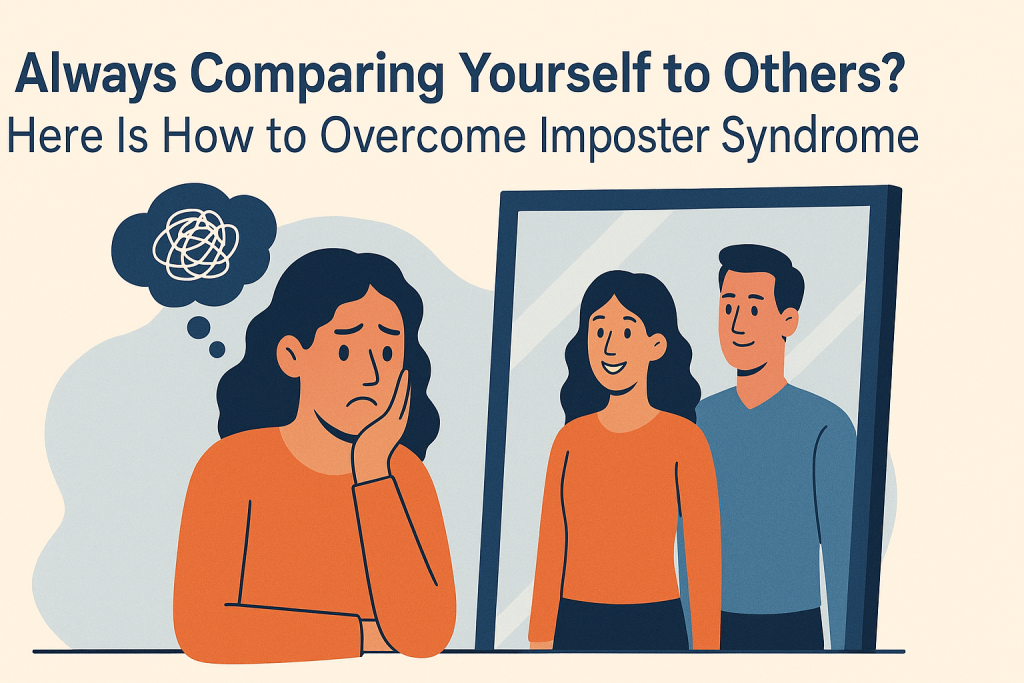
Do you ever compare yourself to others and feel like you are falling behind? Maybe someone your age bought a home, got promoted, started a business, or seems more successful. Even if you are working hard, you start to doubt your worth. You may think things like:
- I am not doing enough
- I should be further by now
- I am not as good as people think
These thoughts are painful. They drain your confidence and make you question everything you have achieved. This feeling is called imposter syndrome. It makes you believe you are not good enough, even when you are doing well.
Understanding imposter syndrome meaning and learning how to overcome imposter syndrome can help you break free from comparison and feel proud of your own life again.
Imposter Syndrome Meaning and Why Comparison Makes It Worse

Simple Imposter Syndrome Meaning You Can Understand Instantly
Imposter syndrome meaning is the belief that you are not as capable or talented as others think. Even when people praise you or recognize your achievements, you feel like you do not deserve it. You may believe your success came from luck instead of skill.
What Causes Imposter Syndrome in High Achievers
Many things can trigger imposter syndrome. Some of the most common reasons include:
- Growing up with high expectations
- Being compared to other children
- Perfectionism
- Fear of failure
- Social media pressure
- Starting something new and feeling inexperienced
These early experiences shape how you see yourself, even as an adult.
How Constant Comparison Creates Imposter Thoughts
Comparing your life to others is one of the strongest triggers for imposter syndrome. You see highlights of someone else’s success, not their struggles. This makes you feel behind, even when you are doing fine. Constant comparison tells your brain you are not enough, even when this is not true.
Signs You May Be Struggling With Imposter Syndrome

You Downplay Your Success Even When You Earned It
You might say things like:
- It was nothing
- I just got lucky
- Anyone could have done this
Even when you worked hard, you do not feel like you deserve credit.
You Believe Others Deserve Their Achievements More Than You Do
You assume others are more talented, smarter, or more capable. This belief makes your success feel accidental.
You Feel Like You Must Be Perfect To Be Valid
Making mistakes feels scary. You feel pressure to do everything right or else people will think less of you.
You Worry People Will Find Out You Are Not Good Enough
You fear that one day people will discover you are not as good as they think. This fear creates stress and anxiety.
Imposter Syndrome in Relationships, Social Life, and Work

How Imposter Syndrome Impacts Romantic Relationships
Imposter syndrome in relationships can make you feel unworthy of love. You may think:
- My partner deserves someone better
- They will leave when they see the real me
- I am not good enough for them
These thoughts lead to insecurity and overthinking, even when the relationship is healthy.
Imposter Syndrome at Work or School
At work or in school, imposter syndrome shows up as:
- Avoiding new opportunities
- Being afraid to speak up
- Overworking to prove yourself
- Comparing your skills to coworkers or classmates
- Feeling like everyone else is more capable
Even when you succeed, you still feel unsure.
Emotional Effects of Imposter Syndrome
Imposter syndrome can lead to:
- Low self esteem
- Constant anxiety
- Overthinking
- Burnout
- Fear of trying new things
It affects both your mental health and your daily actions.
How to Overcome Imposter Syndrome Step by Step

Step 1. Identify Your Imposter Triggers
Ask yourself:
- When do I feel insecure
- Who do I compare myself to
- What moments make me feel not good enough
Understanding your triggers helps you take control.
Step 2. Replace Negative Thoughts With Reality-Based Evidence
Your feelings are strong, but that does not make them accurate. Collect evidence of your strengths by:
- Writing down your wins
- Saving positive messages
- Tracking improvements
- Listing skills you developed
Facts help your brain see your true value.
Step 3. Reduce Comparison Through Digital Boundaries
Comparison often begins online. Try:
- Unfollowing accounts that trigger insecurity
- Taking short breaks from social media
- Following accounts that inspire you, not pressure you
Less comparison means fewer imposter thoughts.
Step 4. Build Confidence Through Small Wins
Small wins are powerful. They remind you that you are capable.
Examples:
- Doing something for five minutes
- Completing one simple task
- Showing up even when nervous
- Speaking once in a meeting
Small steps build long term confidence.
Step 5. Surround Yourself With People Who Remind You Of Your Value
Do not face imposter syndrome alone. Talk to:
- A trusted friend
- A mentor
- A therapist
- A supportive coworker
Support helps you see yourself more clearly.
Rebuilding Your Self Worth and Learning To Feel Deserving

Use Identity Based Habits To Strengthen Self Worth
Identity based habits help you shape the person you want to become.
For example:
- I am someone who tries
- I am someone who learns
- I am someone who grows
This builds a stronger sense of self.
Learn To Receive Praise Without Feeling Guilty
Practice accepting compliments with a simple “Thank you.”
Let yourself receive the praise instead of brushing it off.
Create Daily Routines That Reinforce Confidence, Not Comparison
Daily routines help your mind focus on your progress. Try:
- Journaling small wins
- Practicing gratitude
- Setting simple daily goals
- Limiting content that triggers comparison
These habits rebuild confidence from the inside out.
Build Confidence, Not Self Doubt
So, can you really stop comparing yourself to others and overcome imposter syndrome? Yes, you can. But the real change happens when you learn what causes these thoughts and what to do to break the cycle.
Think of confidence as a skill you build a little every day. It grows when you understand your strengths, set healthy goals, and stop letting fear control your choices. And when self doubt feels too heavy to handle alone, our community is here to support you with simple, clear steps.
✅ Take Action Now
Stop Letting Self Doubt Control Your Life
Imposter syndrome is frustrating, but it is not permanent. When you understand why you compare yourself to others, address the stress behind it, and learn how to challenge negative thoughts, you can start to build real confidence again.
Small changes, like paying attention to your inner voice, setting simple wins for yourself, or practicing grounding habits, can make a big difference. If your self doubt keeps coming back, do not ignore it. Talk to a professional or coach to uncover hidden triggers like perfectionism, burnout, or past pressure that you may not notice.
This is your chance to book your FREE 30 minute Zoom Clarity Session with me. This is your chance to get personal guidance to keep your momentum going.
Say Goodbye to Self Doubt
Still struggling with comparing yourself to others and feeling like you are never good enough, no matter how hard you try? You do not have to figure it out alone.
👉 Join our 7 Day Confidence Reset Program and learn simple mindset tools, grounding habits, and daily practices that help you break free from imposter syndrome and trust yourself again.
In just one week, you will:
- Understand the real causes of self doubt
- Try natural confidence boosters like journaling prompts and grounding exercises
- Spot hidden triggers such as perfectionism or comparison traps
- Build a daily routine that supports a stronger and calmer mindset
Start today. Your confident and steady self is only 7 days away.
Frequently Asked Question
1) What is the meaning of imposter syndrome
Imposter syndrome meaning is the feeling that you are not good enough or that your success is not real. You may feel like a fraud, even when you have real skills and achievements.
2) What causes imposter syndrome
The biggest causes of imposter syndrome include perfectionism, comparing yourself to others, childhood expectations, fear of failure, and pressure from social media.
3) How can I overcome imposter syndrome
You can overcome imposter syndrome by challenging negative thoughts, limiting comparison, collecting evidence of your strengths, practicing self compassion, and focusing on small wins.
4) Can imposter syndrome affect relationships
Yes. Imposter syndrome in relationships can make you feel unworthy of love or afraid your partner will realize you are not enough. This comes from insecurity, not reality.
5) Is imposter syndrome permanent
No. With consistent habits and self awareness, imposter syndrome becomes easier to manage and can improve over time.

