
Introduction
Carotenoids are powerful antioxidants that can support eye health, boost immunity, and protect your cells from oxidative stress. But there’s one thing you should know: not all carotenoids in supplements are the same.
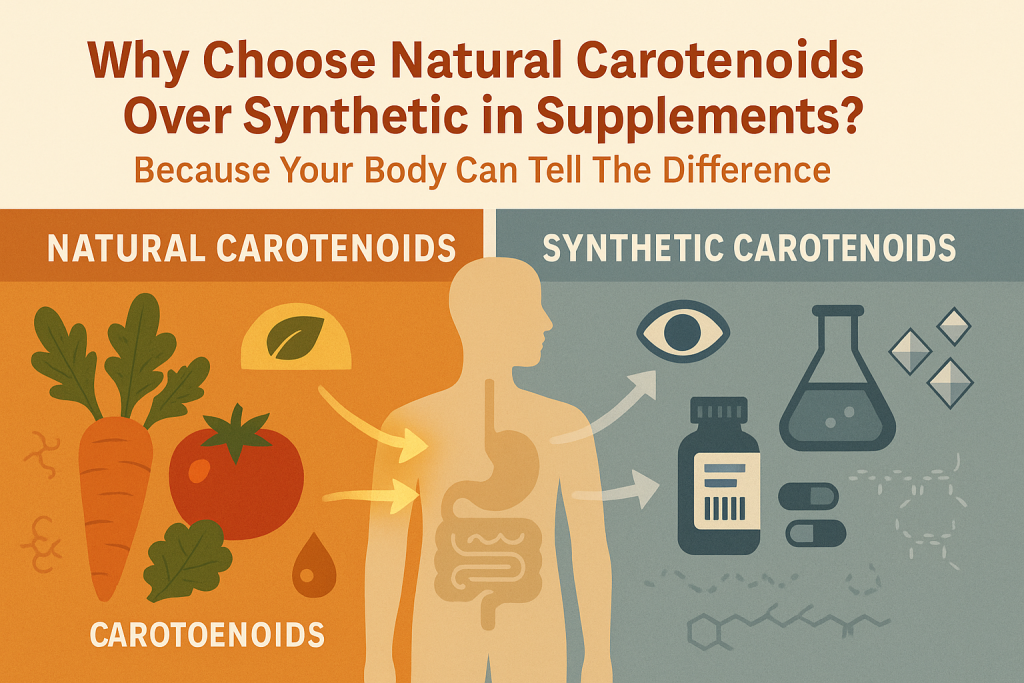
Many product on the market are synthetic carotenoids, which is made in Lab from chemicals to imitate the natural materials. If you see it with your eyes, they may seem identical, but your body can tell the difference. On the other hand, natural carotenoids is made from real plants, algae, or food (e.g tomatoes, carrot, mangoes, etc).
In this blog, we’ll talk about why choosing natural carotenoids over synthetic carotenoids matter, what science says about their health benefits, and how to choose the correct supplements for you.
What Are Carotenoids and Why They Matter for Health
Carotenoids are natural pigments that are responsible for colorful hues found in many fruits and vegetables. Beside their visuals, carotenoids are powerful plant material that is acting as antioxidant, which means it will protect your body from oxidative stress and support overall health. Since our body can’t produce carotenoids on their own, so we need to get them through the supplements.
How Carotenoids Protect Your Body as Antioxidants and Disease Fighters
Carotenoids is not only add bright color to your food, but they also protect your cells. They fight the harmful free radicals, which can damage the cells on your body and speed up aging, and may help lower the risk of diseases like heart problems, cancers, and brain disorders. Some carotenoids even turn into vitamin A, support vision, defense immune, and skin health.
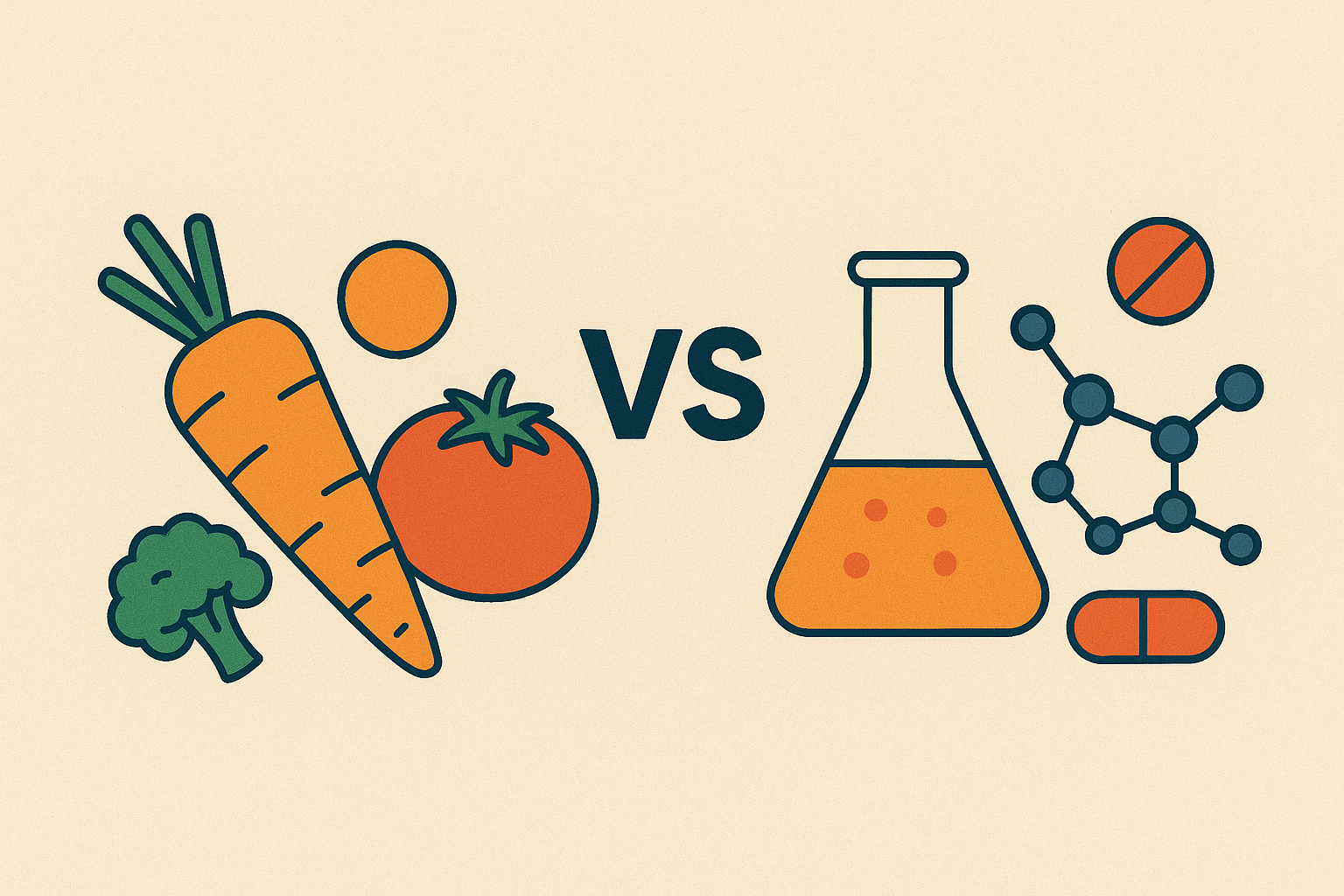
The Differences Between Natural vs. Synthetic Carotenoids
By looking at their visual, they seem very identical. However, their source, structure, and how our body absorb them are very different. Understanding their difference will help you to choose the correct supplements for your body.
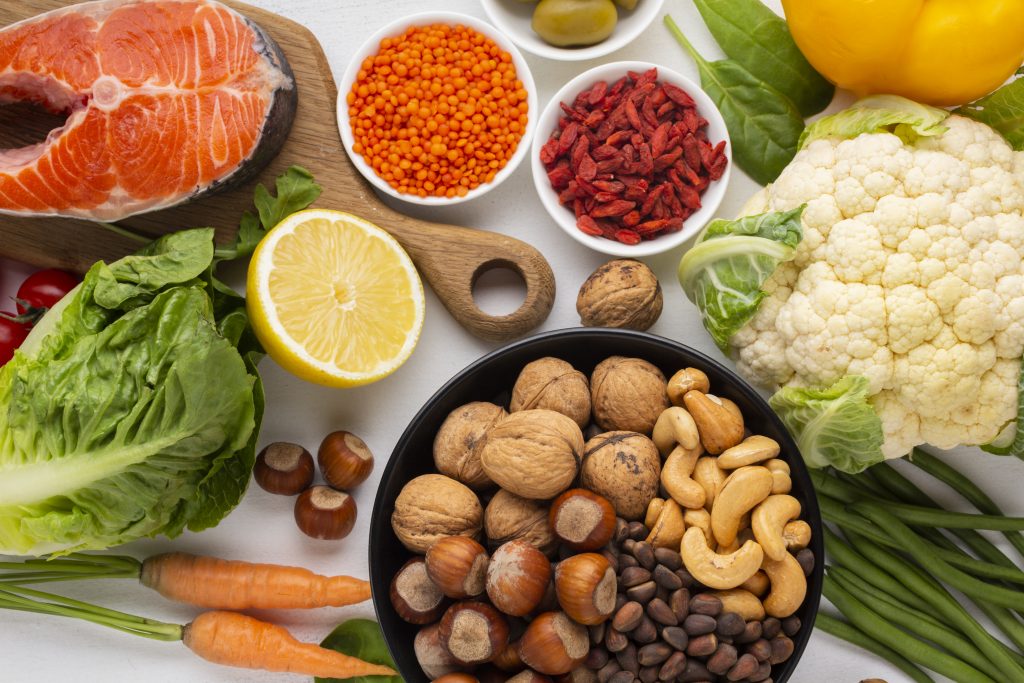
How Natural Carotenoids Are Sourced
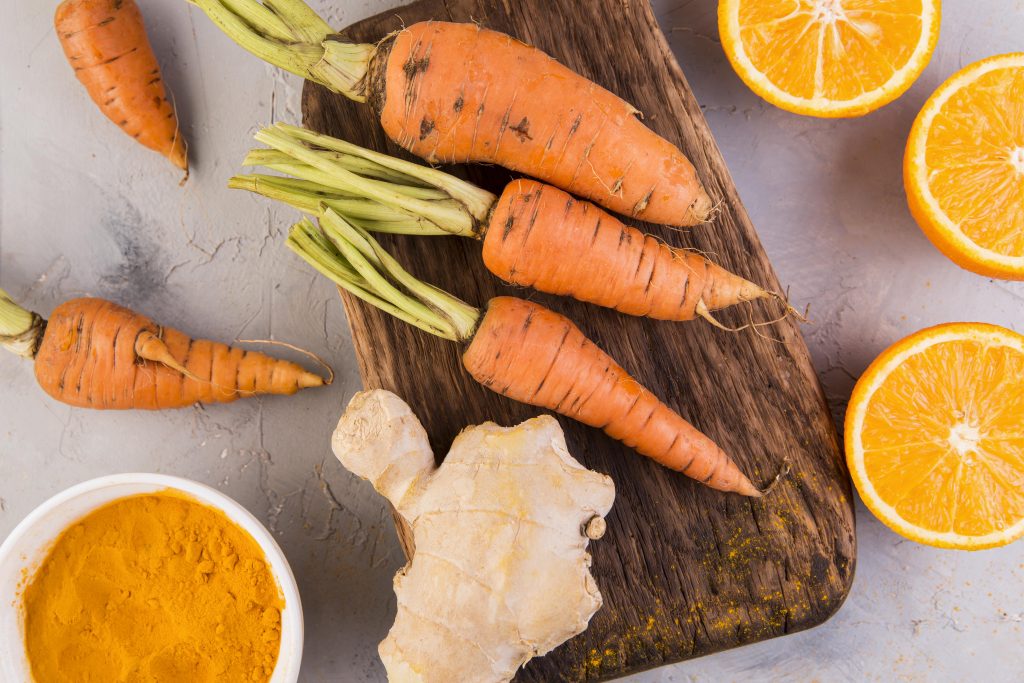
Natural carotenoids extracted from food and plants source, such as:
- Carrots and sweet potatoes for beta-carotene
- Tomatoes and watermelon for lycopene
- Marigold flowers for lutein and zeaxanthin (important for eye health)
- Microalgae for astaxanthin, one of the strongest antioxidants